

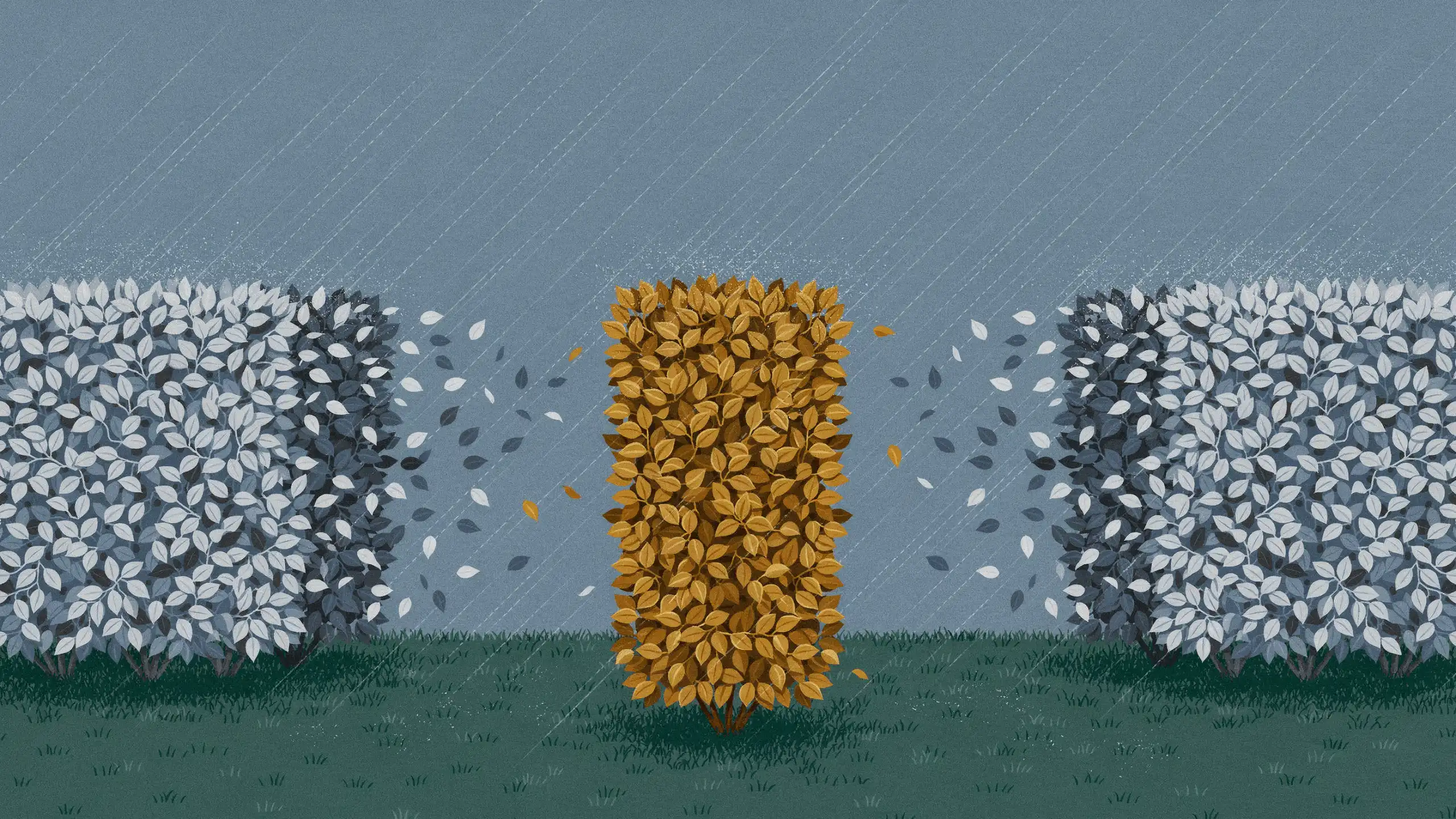

Of the precious metals, only gold is bought mostly by investors, central banks, and jewelers, and it has tended to hold up in market crises. Platinum, palladium, and the rest depend on carmakers and factories, so they swing with the economy. Keep your metals slice small and mostly gold, and treat any other metal as a bet.
Precious metals are often pitched as one safe place for your savings, but each metal’s price depends on who buys it. That decides whether owning it steadies your portfolio or adds to its risk.
In 2025, investors and central banks bought about 61% of the gold sold worldwide and jewelry buyers about 31%, while electronics and other uses took about 6%, the World Gold Council reports. With so little going into products, gold has tended to act as a hedge, an asset that holds its value when others fall. From December 2007 to February 2009, as stocks and most commodities tumbled, gold rose 21%, the council’s Gold as a strategic asset report shows.
The other metals go mostly to industry, from electronics and solar panel makers to carmakers. Catalytic converters, the devices that clean car exhaust, use most of the palladium and rhodium sold each year. Factory and car demand rises when economies grow and falls in recessions, so these metals are bets on the economy, not hedges. Palladium shows the gap. Its yearly average price fell 59% from 2021 to 2024, from $2,419 an ounce to $995, while gold’s rose 33%, from $1,801 to $2,388, U.S. Geological Survey (USGS) summaries for platinum-group metals and gold show.
Gold & silver
- Gold is the one hedge here, but its price still swings. Its yearly average jumped 44% in 2025. Own it through a low-cost exchange-traded fund (ETF) that holds gold, or coins bought near spot, the metal’s market price.
- Silver depends on industry, which bought about 58% of it in 2025, the Silver Institute reports. Its price topped $121 an ounce in January 2026, then traded in the mid-$70s in early April. ETFs and bullion work here too.
The platinum group
- Platinum went 35% into catalytic converters and 26% into other industry in 2025, the World Platinum Investment Council reports. It peaked at $2,875 an ounce in January 2026, then fell 46% by June. ETFs and coins are easy ways in.
- Palladium went about 81% into catalytic converters in 2025, the International Platinum Group Metals Association reports. Its price spiked in 2022 when Russia, its largest producer, invaded Ukraine. You can buy it through ETFs or as coins.
- Rhodium went about 84% into catalytic converters in 2025, the association’s rhodium fact sheet shows. Its yearly average fell 77% from 2021 to 2024, from $20,254 an ounce to $4,660. A few dealers sell it in small bars.
- Iridium supply is tiny, about 7 tonnes a year, and almost half goes into electrodes, the association’s iridium fact sheet says. Its yearly average more than tripled in 2021. A small investor has no practical way to buy it.
- Osmium output is only a few hundred kilograms a year, sold in small industrial lots with no exchange price, the association’s osmium fact sheet says. There’s no practical way for a small investor to buy it either.
Copper & lithium
Copper and lithium aren’t precious metals, but they’re often pitched alongside them.
- Copper goes 42% into building construction and 23% into electrical products in the U.S., the USGS copper summary shows. Its 2025 average set a record near $4.80 a pound on tariff worries. Funds and miners’ stocks are the ways in.
- Lithium goes about 88% into batteries, the USGS lithium summary shows. Its average price rose more than fivefold in 2022, then fell 86% by 2025. It sells by the ton as a chemical, so you’d own it through miners’ stocks.
How to hold a metals slice
The metals themselves pay no interest or dividends, so cap all of them together at 5% to 10% of your portfolio, with most of that in gold. Any other metal, platinum or palladium included, goes inside that slice as a bet, sized so losing half its value wouldn’t hurt your plans.
Gains on bullion held more than a year are taxed as collectibles, at up to 28% rather than the 20% top rate on most stock gains, IRS Publication 550 says. The same goes for shares of an ETF set up as a trust that holds the metal.
Once a year, rebalance your portfolio so a rally doesn’t leave your metals above your cap.
Hold your metals slice through ETFs at one of the best online brokers.

Subscribe and we'll send you 101 Essential Money Tips to get you started.
The 101 money moves that matter most, from the foundations to protecting what you’ve built.
Advertiser Disclosure: Many or all of the offers that appear on this site are from companies that compensate us, and some companies pay for sponsored content. That compensation may influence which products we cover and where and how they appear on a page, including the order in which they appear. We do not include every company or offer available in the marketplace.