
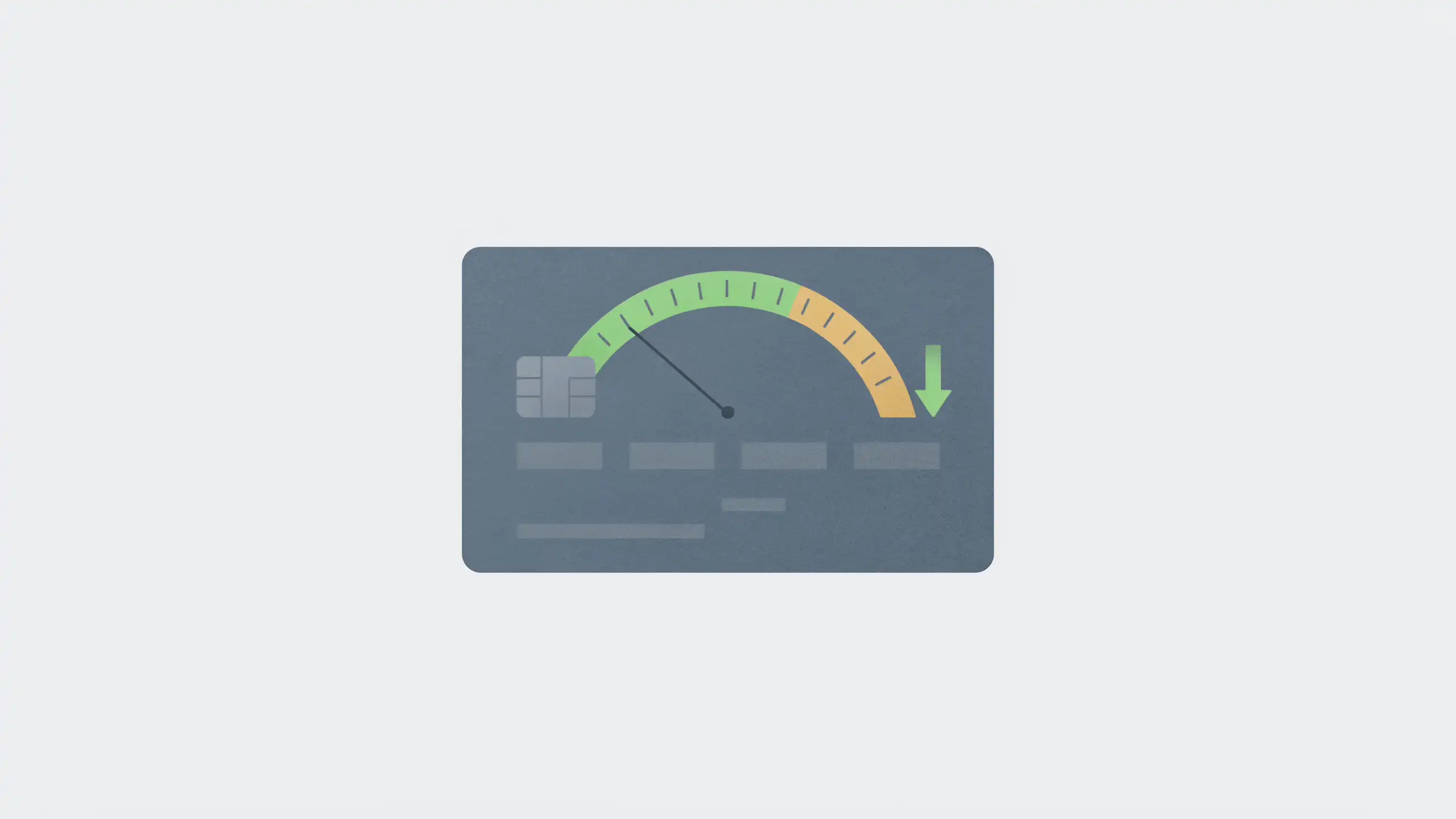

Paying credit card interest never raises your credit score. Scores see the balance on your statement and whether you paid on time, not whether you let part of it roll over. Use your card, then pay the full statement balance by the due date every month, and you build credit without paying a cent of interest.
Plenty of cardholders leave a few dollars unpaid each month because someone told them it proves they use credit responsibly. It proves nothing a paid-off card doesn’t, and it costs interest every month the habit lasts.
The myth mixes up the balance your card reports with the balance you carry. Your issuer usually reports your account once a month, when the statement closes, so the statement balance is the one your credit report shows. Paying it off afterward doesn’t erase it, because the report has already gone out. FICO says its scores don’t consider whether you carry a balance from month to month.
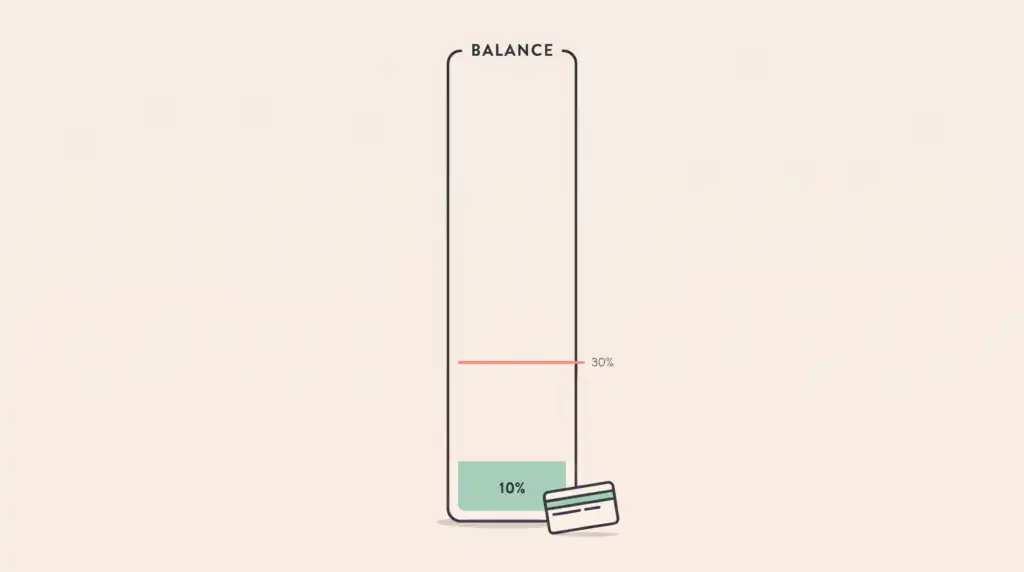
There’s a grain of truth in it. FICO also says a low but nonzero utilization ratio, the share of your credit limits in use, can score better than a ratio of zero. You get that from a small statement balance that reports and then gets paid, not from one you leave unpaid. Newer models such as VantageScore 4.0 read months of balance history to separate people who pay their cards off from people who can’t. A balance you never clear fits the second profile.
So let the statement do the work. Put one or two regular bills on the card, let the statement close, and set autopay to the full statement balance instead of the minimum. You get a reported balance and an on-time payment every month, and paying in full by the due date keeps those purchases interest-free under the card’s grace period.
Carrying part of the statement costs more than the interest on that part. At a 22% interest rate, leaving $500 unpaid costs about $9 a month. You also lose the grace period, so next month’s purchases start collecting interest the day you make them.
Before a mortgage or auto loan application, go a step further. Pay the card down before the statement closes so a smaller balance reports.
Open your card’s autopay settings today. If it pays the minimum or a fixed amount, switch it to the full statement balance.

Editorial & Advertiser Disclosure: The editorial content on this page is not provided, commissioned, reviewed, approved, or otherwise endorsed by any advertiser. Opinions expressed here are ours alone, not those of any advertiser. The offers that appear on this site are from companies that compensate us. That compensation may influence which products we cover and where and how they appear on a page – including the order in which they appear – but it does not influence our evaluations, ratings, or opinions. We do not include every company or offer available in the marketplace.
Related: