
Before you ask your card issuer for a higher credit limit, find out whether the request triggers a hard inquiry. Some issuers review requests with a soft inquiry that never affects your score, while others run a hard one. Read the request’s terms or call the number on your card, and back out if the answer is hard.
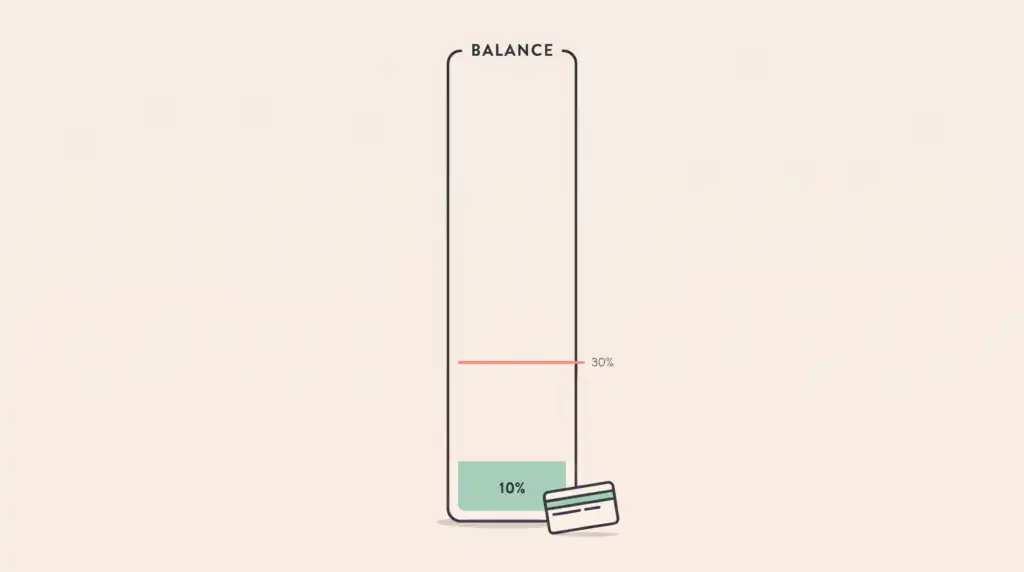
A higher limit shrinks your credit utilization, the share of your limits your balances use, and that can lift your score. A hard inquiry, a credit check that counts against your score, can cost you a few points on the way, so the request itself can undercut the reason you made it.
Whether you pay that cost depends on the issuer and on who starts the increase. Automatic increases, the ones an issuer offers after reviewing your account on its own, typically rely on a soft inquiry. Requests vary by issuer. Capital One, for one, reviews them with a soft inquiry.
Your income on file matters for both kinds. Federal rules bar an issuer from raising any card’s limit without weighing your income or assets against your debts. A pay raise it doesn’t know about can’t help you, and a current figure improves your odds of an automatic increase, so update it whenever your pay goes up.
Once the account is at least six months old and in good standing, check that the income in the card’s app is current. Then open the limit-increase request, which typically asks for your employment status, annual income, and monthly housing payment. Before you submit, read the terms on the screen. If they mention a hard inquiry and you’d rather not take one, cancel and let an automatic review do the work. Capital One often decides on the spot, and an approved limit is usable right away.
A denial comes with reasons. The issuer has to send a notice stating them or telling you how to get them, and the reason it names is what to fix. Give it about six months before you ask again.
After an approval, keep spending where it was. A higher limit lowers your utilization only while your balances hold steady, and new room that fills up leaves your utilization where it started, with more debt behind it.

Editorial & Advertiser Disclosure: The editorial content on this page is not provided, commissioned, reviewed, approved, or otherwise endorsed by any advertiser. Opinions expressed here are ours alone, not those of any advertiser. The offers that appear on this site are from companies that compensate us. That compensation may influence which products we cover and where and how they appear on a page – including the order in which they appear – but it does not influence our evaluations, ratings, or opinions. We do not include every company or offer available in the marketplace.
Related: