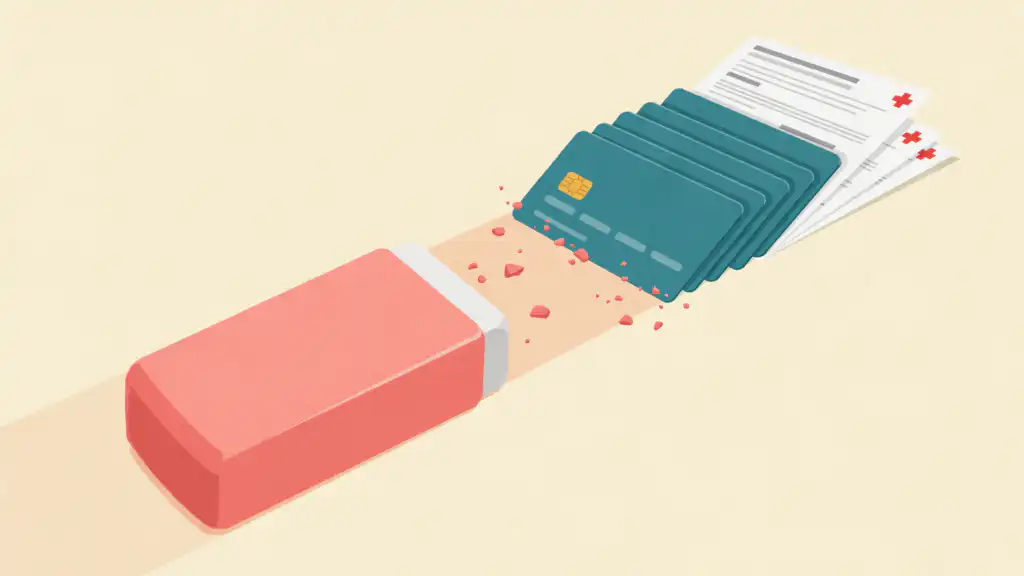


Bankruptcy wipes out most credit card, medical, and personal loan debt, but child support, alimony, recent income taxes, and most student loans survive it. Before you file, check which of your debts it would erase. If the ones you most need gone would survive, filing leaves your real problem in place.
Picture someone whose biggest debts are last year’s income taxes and back child support. Chapter 7 would wipe out their credit card balances and leave both standing.
Bankruptcy law sorts debts into three groups, and the discharge, the court order that releases you from debts, treats each one differently. General unsecured debts, like credit cards, medical bills, and personal loans, are the ones it usually erases.
Priority debts, which get repaid before general unsecured debts, include child support, alimony, and recent income taxes, all of which survive. Secured debts, like the loan on your house or car, stay tied to the property. The discharge ends what you personally owe, but the lender can still take the property if you stop paying.
The law also lists other debts that survive, including most student loans, criminal fines, and debts for injuries you caused while driving impaired. Debts from fraud survive only if the creditor challenges them in court and wins.
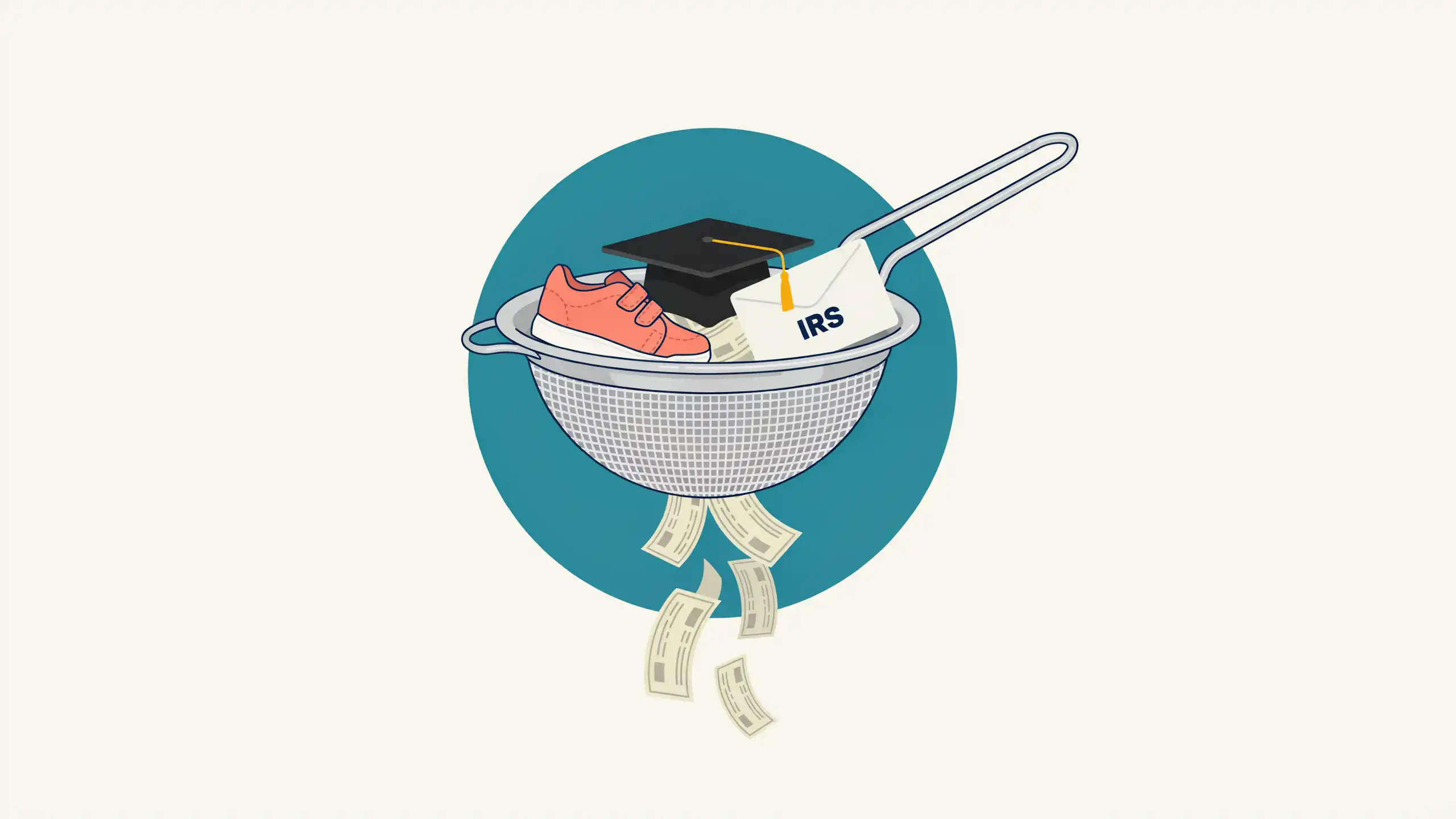
Older income taxes can be erased only if they pass three timing tests:
- The return was due, extensions included, at least three years before you file.
- You filed the return at least two years before you file for bankruptcy.
- The IRS or your state assessed the tax, formally recording the bill, at least 240 days before you file.
A fraudulent return or tax evasion disqualifies a tax at any age, and some federal appeals courts won’t erase tax on any return filed late.
To keep a financed car or house in Chapter 7, you can reaffirm the loan, signing an agreement to keep owing it after the discharge. Fall behind later, and the lender may be able to take your wages, not just the property. No law requires reaffirming, and you can cancel before the discharge or within 60 days of filing the agreement, whichever is later.
Total up what would survive before you pay a lawyer or a filing fee. If it’s most of what you owe, a discharge won’t give you the fresh start you’re filing for.

Editorial & Advertiser Disclosure: The editorial content on this page is not provided, commissioned, reviewed, approved, or otherwise endorsed by any advertiser. Opinions expressed here are ours alone, not those of any advertiser. The offers that appear on this site are from companies that compensate us. That compensation may influence which products we cover and where and how they appear on a page – including the order in which they appear – but it does not influence our evaluations, ratings, or opinions. We do not include every company or offer available in the marketplace.
Related: