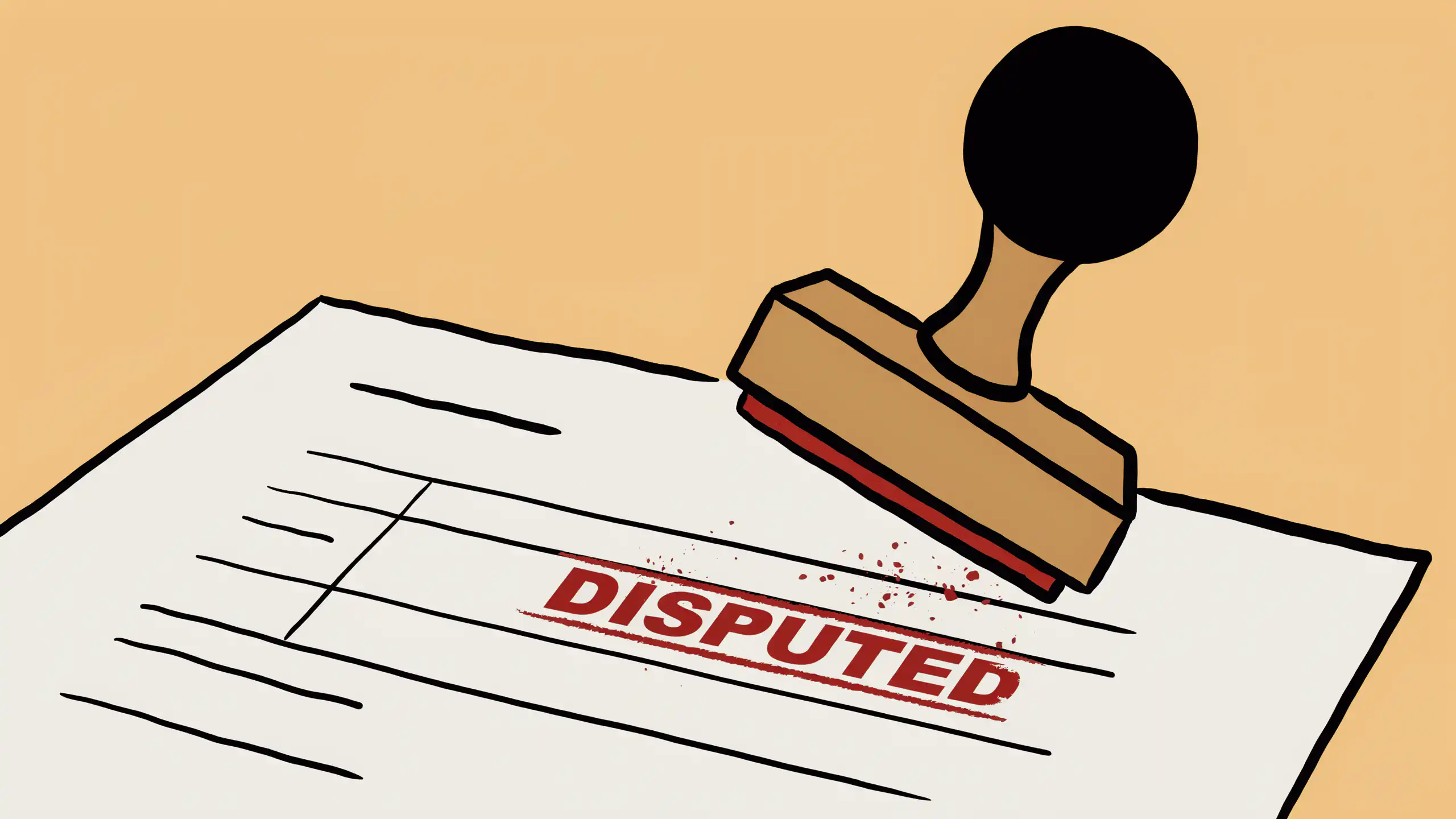

Dispute any error on your credit report, from a late payment you never made to an account you don’t recognize, with each bureau that lists it. It’s free. The bureau must investigate within 30 days, or 45 in some cases, and correct or delete anything the company that reported it can’t verify.
That company has to back up what it reported. TransUnion, for one, deletes the item when the company doesn’t respond within 30 days.
Within five business days of getting your dispute, the bureau must pass it and your proof to that company, which then has to investigate. So your dispute with the bureau matters most. If your dispute is too vague to investigate, the bureau can dismiss it as frivolous. Proof you add partway through can stretch the 30 days to 45, and a dispute you file after receiving your free annual report gets 45 days from the start. A dispute fixes errors only, so a late payment that’s accurate stays.
Pull all three reports first to see which ones list the error. You can check them free every week. Equifax, Experian, and TransUnion each take disputes online or by mail. Name the account, say exactly what’s wrong, and attach copies, never originals, of proof such as an account statement, a payoff letter, or a court order. If you mail it, use certified mail with a return receipt, which proves when the bureau’s clock started.
Send the same dispute in writing to the company that reported the item, at the address your credit report lists for it. If its investigation finds an error, it must send the correction to every bureau it reported to. For an account a thief opened, also report the theft at IdentityTheft.gov, which pre-fills the letters for the bureaus and the company.
The bureau must send you the results in writing within five business days of finishing, with a free updated report if anything changed. When it fixes or deletes an item, ask it to send the correction to anyone you name who pulled your report during the last six months, or two years for an employer.
If the error survives, add a brief statement of your side to your file, which future reports must note, and file a complaint with the Consumer Financial Protection Bureau. Keep copies of every letter and receipt until a fresh report shows the fix.

Editorial & Advertiser Disclosure: The editorial content on this page is not provided, commissioned, reviewed, approved, or otherwise endorsed by any advertiser. Opinions expressed here are ours alone, not those of any advertiser. The offers that appear on this site are from companies that compensate us. That compensation may influence which products we cover and where and how they appear on a page – including the order in which they appear – but it does not influence our evaluations, ratings, or opinions. We do not include every company or offer available in the marketplace.
Related: