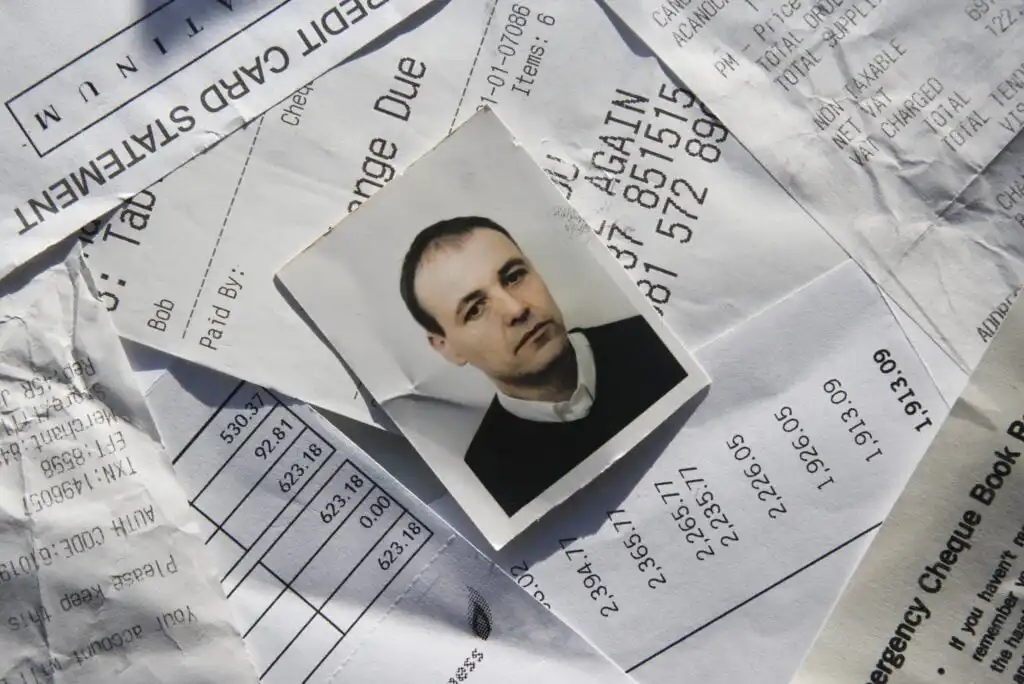



Freeze your child’s credit at Equifax, Experian, and TransUnion. A child’s Social Security number usually has no credit history and nobody watching it, so a thief can use it for years before anyone notices. The freeze is free, makes new accounts in their name harder to open, and stays until you or your child removes it.
Skip it, and the fraud tends to surface when your child first needs credit. Take a family whose son applies for his first credit card at 18 and gets turned down. His report shows a utility account someone opened in his name at age 10, long since sent to collections.
Most kids have no credit file at all. That doesn’t stop the freeze, because each bureau creates a file in your child’s name just to freeze it. You request it for a child under 16, and teens who are 16 or 17 can request their own.
The paperwork is heavier than for your own freeze. The list varies by bureau, but expect to send copies of your child’s birth certificate and Social Security card, your driver’s license or other ID, a recent bill showing your address, and proof you’re the parent or guardian. A birth certificate that names you counts as that proof. Equifax and TransUnion take these requests only by mail.
Pay attention to the mail and the phone, too. A breach notice that includes your child’s information is your cue to freeze right away. Any of these means someone may already be using the number:
- Collection calls or a credit card bill for an account you never opened
- A stack of preapproved credit offers addressed to your child
- An IRS notice saying your child owes income tax
- A denial of government benefits, such as Medicaid, because the number is already in use
- Unpaid traffic or parking tickets, or a jury summons, in your child’s name
If one shows up, ask each bureau to search for a file under your child’s Social Security number, and report the fraud at IdentityTheft.gov.
The freeze doesn’t expire at 18, and from 16 on your child can remove it. Tell them about all three freezes before their first card, student loan, or lease, so the protection doesn’t turn into a surprise denial.

Editorial & Advertiser Disclosure: The editorial content on this page is not provided, commissioned, reviewed, approved, or otherwise endorsed by any advertiser. Opinions expressed here are ours alone, not those of any advertiser. The offers that appear on this site are from companies that compensate us. That compensation may influence which products we cover and where and how they appear on a page – including the order in which they appear – but it does not influence our evaluations, ratings, or opinions. We do not include every company or offer available in the marketplace.
Related: