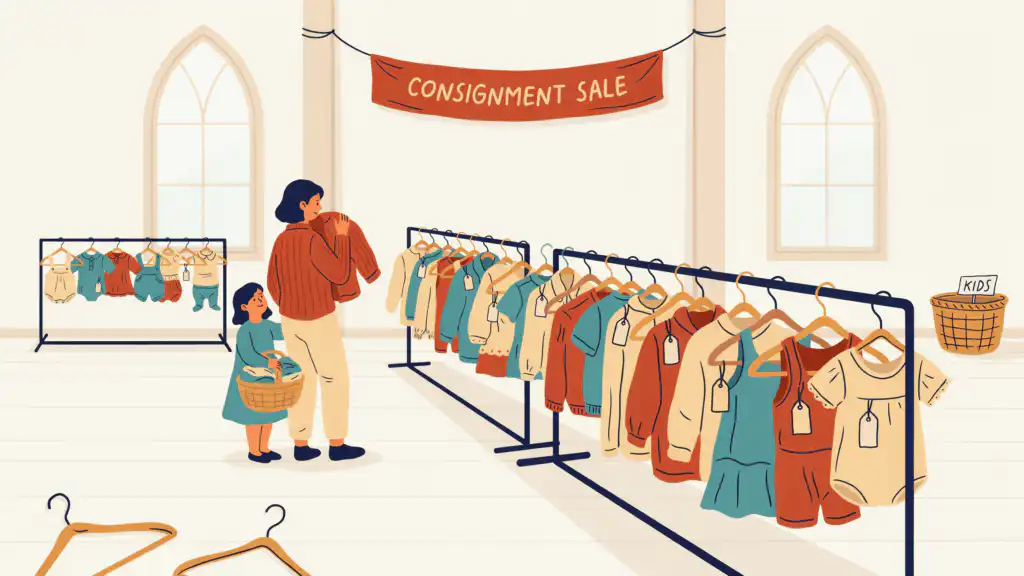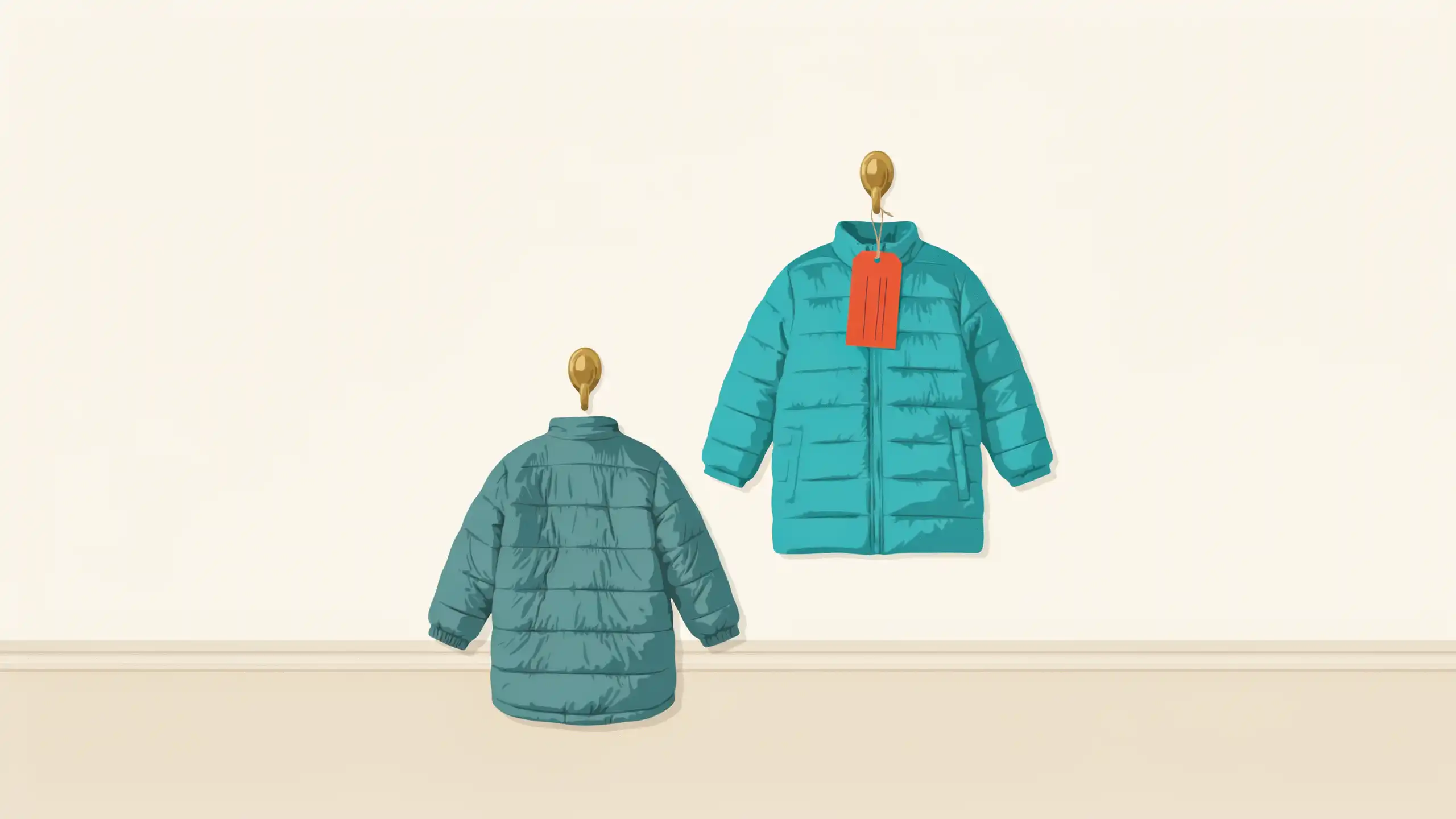

New kids’ clothes cost the least at end-of-season clearance, but your child’s current size likely won’t fit when that season comes back. Shop for next year instead, usually one size up, and bring a list of what each child still needs so the markdowns fill real gaps.
The biggest markdowns come twice a year. Stores clear winter coats and snow pants after the holidays, and swimsuits and shorts in July, to make room for the next season’s stock.
You can predict next year’s size. From age 2 until adolescence, children usually grow about 2½ inches a year, according to Nemours KidsHealth. That’s about one size on a typical kids’ size chart.
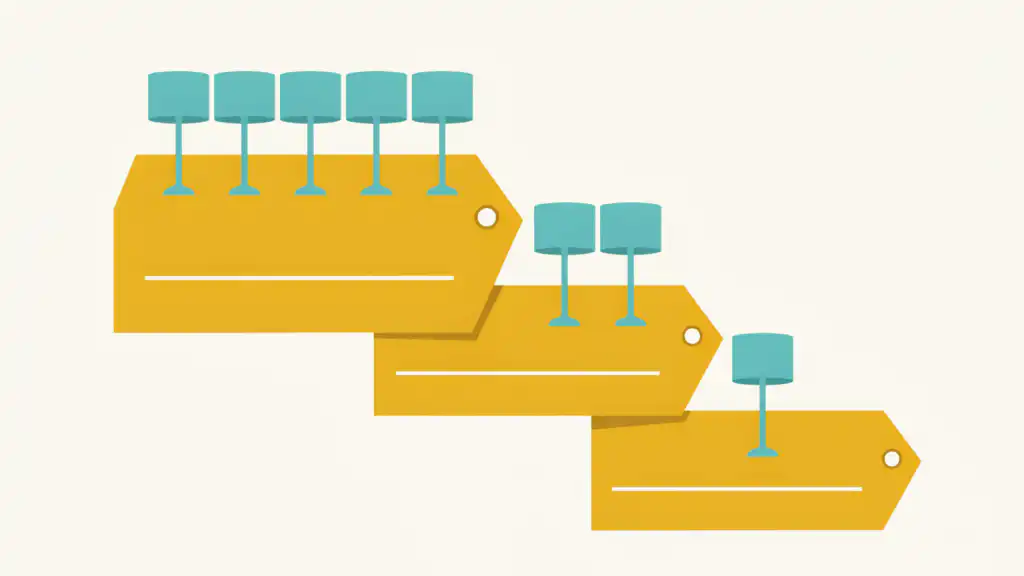
Say your child wears a size 4 this winter, and a size 5 coat and snow pants cost $35 on clearance in January or $90 at full price next October. Buying in January saves $55 on clothes your child will need either way.
To find next year’s size, measure your child’s height, add 2½ inches, and look up that height on the brand’s own size chart, since sizes vary by brand. Babies grow faster, about 10 inches on average in their first year, so buy them the size labeled for the age they’ll be a year from now. Stretchy knits and adjustable waistbands still fit when your guess is a little off.
Bring a list to the sale. Count what each child already has in next year’s size, including clothes with room to grow, hand-me-downs, and secondhand finds. Then write down only the gaps, such as a coat and two pairs of pants.
Leave shoes and boots off the list and buy them when they’re needed. The American Podiatric Medical Association notes that a child’s shoe size may change every few months, and it advises measuring the feet before buying shoes.
Store each purchase in a bin labeled with the size and season, and open that bin before you shop when the season comes back.


Subscribe and we'll send you 101 Essential Money Tips to get you started.
The 101 money moves that matter most, from the foundations to protecting what you’ve built.
Advertiser Disclosure: Many or all of the offers that appear on this site are from companies that compensate us, and some companies pay for sponsored content. That compensation may influence which products we cover and where and how they appear on a page, including the order in which they appear. We do not include every company or offer available in the marketplace.