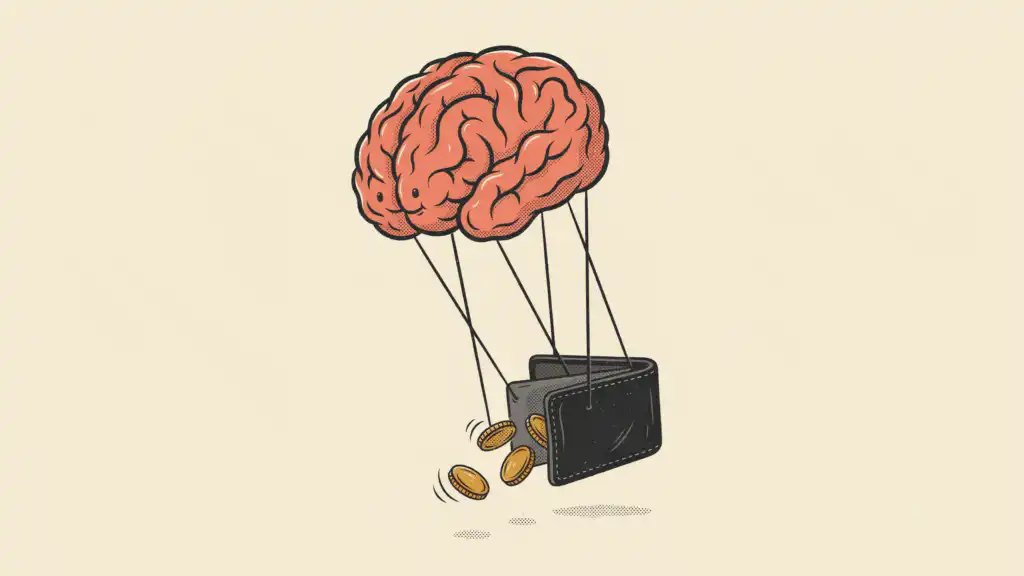


A costly money habit, like ordering delivery after a rough workday, starts with a cue and ends with a reward you want again. Work out what sets yours off and what it gives you, then plan a cheaper routine that gives a similar reward, and mark each day you follow it.
Promising to stop leaves the cue and the reward in place. Each time the cue shows up, you still want the reward, and you have to talk yourself out of it again.
The reward is often not the thing you buy. Delivery after a rough day gives you a night off from cooking and some comfort. Late-night browsing on shopping sites gives you a distraction, and a lottery ticket gives you a few days of daydreaming about a win.
A cheaper routine can give you that comfort, distraction, or daydream, so you still get what you were after.
Track the habit for a week or two. Each time, note when and where it happens, how you feel, and what you get out of it. The time, place, or mood that keeps coming up is the cue, and the feeling it leaves you with is the reward.
Then set up a swap, a cheaper routine with a similar reward, before the cue comes back. Say two rough workdays a week end in a $30 delivery order, and a frozen dinner costs $7. Keep two in the freezer for those nights and call a friend on the walk home for the comfort. The dinner is plainer than takeout but still spares you the cooking. Those nights now cost about $60 a month instead of $260, a saving of about $200.
Take on one habit at a time. Mark each day you choose the swap on a calendar, and move what it saves into savings each week so you can watch the balance grow. A financial therapist can help with a habit that keeps returning despite a good swap.
Give the new routine time. In a University College London study, a new daily habit took 66 days on average to become automatic. Missing a single day had no lasting effect, but about half the volunteers didn’t do it often enough to form the habit. After a slip, run the swap again the next time the cue shows up.

Subscribe and we'll send you 101 Essential Money Tips to get you started.
The 101 money moves that matter most, from the foundations to protecting what you’ve built.
Advertiser Disclosure: Many or all of the offers that appear on this site are from companies that compensate us, and some companies pay for sponsored content. That compensation may influence which products we cover and where and how they appear on a page, including the order in which they appear. We do not include every company or offer available in the marketplace.