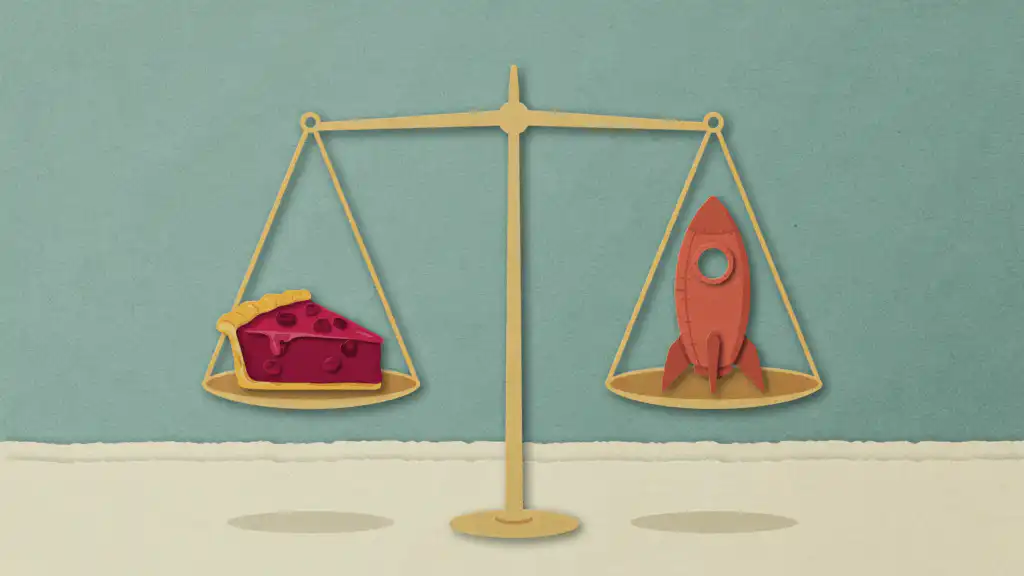


Start with angel investors from your own industry, who bring advice and contacts along with the money. Reach them through local angel groups and introductions from founders they’ve backed. Before you take a check, work out what share of your company the deal sells.
Angels turn most founders down. They funded 22.6% of the deals brought to them in 2024, the University of New Hampshire’s Center for Venture Research found.
Most angel groups invest in markets where some of their members have expertise, the Angel Capital Association says. An angel who has worked in your field can judge your plan quickly and introduce you to customers and later investors.
Search the association’s member directory, which lists angel groups by state and area of focus, and apply to the ones in your industry the way each group’s website asks. Ask founders in your field to introduce you to the angels who backed them, including any who lead a syndicate, which pools backers’ money into one check.
Bring a short pitch and a one-page summary that show a large market and early traction, such as paying customers, and know your numbers cold. Take money only from accredited investors, who meet the SEC’s income, net-worth, or professional tests, since raising from anyone else brings extra disclosure rules.
Expect a SAFE, short for simple agreement for future equity, or less often a convertible note, a loan. Either usually turns into shares at your first priced round, the first time you sell shares at a set price. SAFEs made up 93% of the earliest-stage rounds on Carta, which tracks startup ownership, in the second quarter of 2026. On the standard SAFE, the angels’ share is at least their investment divided by the valuation cap, the highest company value the SAFE converts at. Six angels who put $250,000 into standard SAFEs with an $8 million cap would own at least 3.1% ($250,000 divided by $8 million) just before your priced round issues new shares.
Most SAFEs convert right at their cap. Only 29% of priced seed rounds raised in 2026’s first nine months by startups with SAFEs converted those SAFEs below the cap, Carta’s latest report shows. Keep a running total of the share every SAFE takes, and have a startup lawyer read each one before you sign.

Subscribe and we'll send you 101 Essential Money Tips to get you started.
The 101 money moves that matter most, from the foundations to protecting what you’ve built.
Advertiser Disclosure: Many or all of the offers that appear on this site are from companies that compensate us, and some companies pay for sponsored content. That compensation may influence which products we cover and where and how they appear on a page, including the order in which they appear. We do not include every company or offer available in the marketplace.