

Before buying or keeping a second car, add up what it actually costs you each month: payment, insurance, gas, maintenance, parking, and registration. For many families where one driver only needs wheels occasionally and rideshare is reliable, it can cover the same trips for significantly less. Run the numbers. The second car may not be earning its spot.
A car sitting in the driveway four days out of seven isn’t transportation. It’s a monthly bill.
If your household has two cars but only one person commuting daily, the second vehicle is probably costing far more than it’s saving. Most families never run the actual numbers. They assume owning a second car is cheaper than rideshare. It isn’t always.
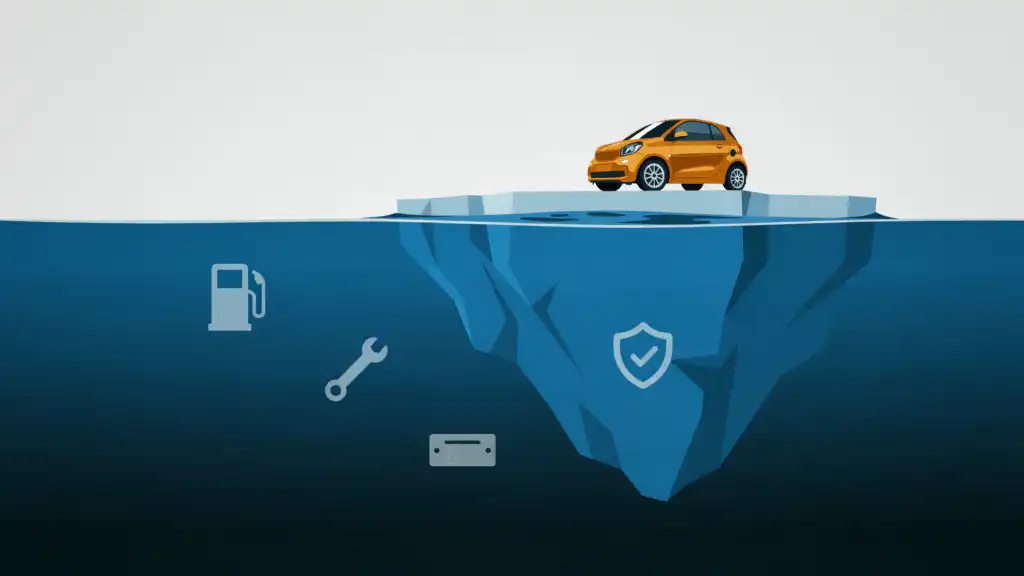
The true cost of a second car, whether financed or leased, typically runs $900 to $1,000 per month when you add it all up: car payment, insurance, gas, routine maintenance, parking, and registration fees. That number surprises people because they only think about the payment.
Now compare that to what rideshare actually costs for the same usage. A car used four times a week for errands and other occasional trips runs about $40 round trip via Uber or Lyft, roughly $640 a month. That’s still well under the monthly cost of owning or leasing.
The objection everyone raises is emergencies: what if you need a car fast, or rideshare is unavailable during a storm? It’s a fair concern. Budget an extra $150 to $200 a month for surge pricing, last-minute rides, or situations where convenience is worth paying more for. Even with that buffer, you’re likely spending $800 to $850 a month versus $950 or more. The gap is still real.
This math doesn’t apply to every household. If both partners commute on different schedules and need a car at the same time, a second car earns its cost. The question is specifically for households where the second car sits idle most of the week.
Track your actual second-car usage for one month. Count the trips. Calculate your true monthly cost. Then price out what those same trips would cost via rideshare, with a cushion built in. If rideshare wins on cost, consider the bonus: no repair bills, no breakdown stress, and the chance to sit in the back and actually do something else.

Editorial & Advertiser Disclosure: The editorial content on this page is not provided, commissioned, reviewed, approved, or otherwise endorsed by any advertiser. Opinions expressed here are ours alone, not those of any advertiser. The offers that appear on this site are from companies that compensate us. That compensation may influence which products we cover and where and how they appear on a page – including the order in which they appear – but it does not influence our evaluations, ratings, or opinions. We do not include every company or offer available in the marketplace.
Related: