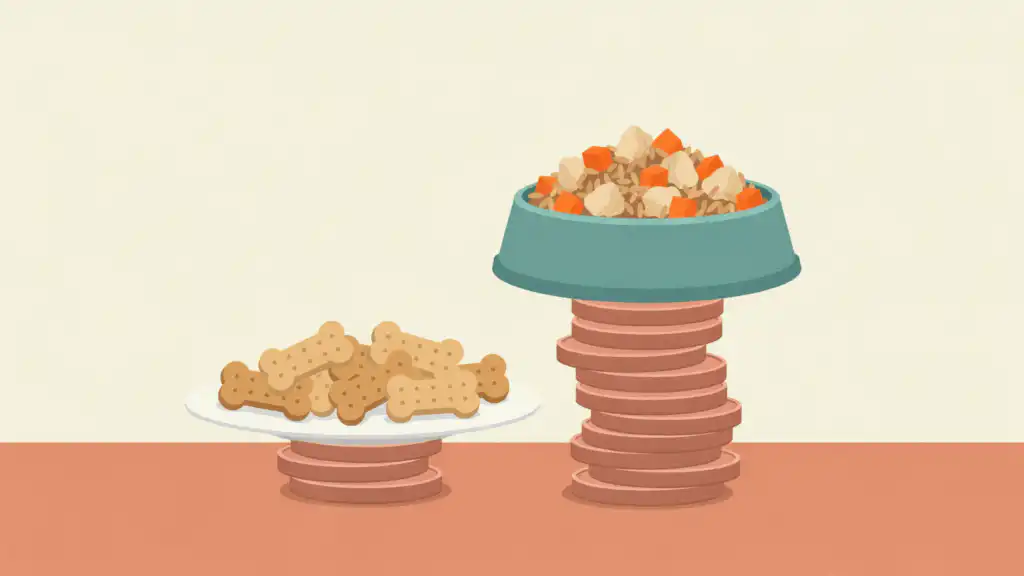



To spend less on food, cut back on the meals and drinks you buy ready-made before you turn to the grocery bill. Each restaurant or takeout meal you replace with a home-cooked one typically saves most of what you’d have paid.
First, find out what you spend now. Go through last month’s card and bank statements and add up every food and drink charge, from the supermarket and warehouse club to restaurants, delivery apps, lunch spots near work, and coffee shops. Keep groceries in one total and everything you bought ready to eat in another.
The average household spent $4,142 on food away from home in 2025 and $6,491 on groceries, according to the Bureau of Labor Statistics. That away-from-home figure counts fast food, takeout, delivery, and restaurant meals alike.
Restaurants, takeout & coffee
1. Swap a few restaurant meals for home cooking
Households that eat out or order in a few times a week gain the most here, and the meal planning on this list gives them a dinner ready to cook instead.
A typical restaurant meal costs more than three times what a home-cooked one does. Before you cut back, total one month of restaurant, takeout, delivery, and coffee charges from your card and bank statements, then start cooking the meals you order only out of habit.
Read more: Eating Out Costs Several Times What Cooking Does - Count Your Restaurant Spending
2. Order from the restaurant, not a delivery app
For the nights you still want restaurant food at home, this move keeps the meal and changes only how you order and collect it.
Place takeout orders on the restaurant’s own website or app, then pick them up. On a delivery app, a menu markup, a service fee, a delivery fee, and a tip can add a third or more to the food’s price. Pay for a delivery membership only if your delivery fees come to more than $10 a month.
Read more: Order Takeout Direct and Pick It Up - Skip the App's Markup & Fees
3. Bring lunch from home on workdays
A lunch from a deli or café near work counts as ready-made food too, and buying one most workdays adds up quickly.
A lunch bought at work averages about $14, while one you pack costs about $4 to $5 in groceries. At those prices, packing four days a week saves well over $1,000 a year. Cook extra at dinner so tomorrow’s lunch is already made, and plan one lunch out a week to make the habit last.
Read more: Pack Your Work Lunch Most Days - The Savings Top $1,000 a Year
4. Make most of your coffee at home
Drinks belong in your food total too, and a daily café stop is easy to miss on a statement because no single charge looks like much.
A coffee shop latte costs about $5, and buying one most workdays adds up to more than $1,000 a year. At home, the same drink costs about 70 cents. Make most cups yourself with a setup that pays for itself within two months, and keep a café visit or two a week as the treat.
Read more: A Latte Every Workday Costs Over $1,000 a Year - Brew Most Cups at Home
Groceries
5. Plan dinners around the week's sales
The other grocery moves on this list work better with a plan in hand, since buying smaller amounts and comparing store prices both start from knowing what your household eats in a week.
Before you shop, spend 20 minutes planning the week’s dinners from what’s on sale and what’s already in your kitchen. Pick five dinners that share ingredients, save a night for leftovers, keep a backup meal on hand, and write your grocery list from that plan. You’ll make fewer trips and order less takeout.
Read more: Family Meal Planning on a Budget - Let the Week's Sales Set the Menu
6. Eat what you buy before it spoils
Any household that clears spoiled food out of the fridge every week can start this one today, without changing stores or recipes.
The spoiled produce and forgotten leftovers you throw out are groceries you paid for and never ate. Shop in smaller amounts for meals you’ve planned, store produce where it keeps longest, eat the oldest food first, and freeze whatever you won’t get to in time.
Read more: Stop Throwing Away Food - Cut Your Grocery Bill Without Changing What You Eat
7. Shop a discount grocer for the basics
Planning and storing food well cut how much you buy, while a lower-priced store cuts what you pay for it, so this move fits households with a discount grocer within an easy drive.
A discount grocer like Aldi keeps prices below a supermarket’s by selling mostly its own brands in small stores that are cheap to run. Compare prices on your regular items at both stores before you switch. Then buy your staples there and keep a short supermarket trip for whatever it doesn’t carry.
Read more: Move Your Staples to a Discount Grocer Like Aldi - Price Your List First
Together, these moves turn more bought meals and drinks into homemade ones and lower what the groceries for them cost. Start this week with the bought meal or drink that shows up most often on last month’s statements, and make it at home instead.

Subscribe and we'll send you 101 Essential Money Tips to get you started.
The 101 money moves that matter most, from the foundations to protecting what you’ve built.
Advertiser Disclosure: Many or all of the offers that appear on this site are from companies that compensate us, and some companies pay for sponsored content. That compensation may influence which products we cover and where and how they appear on a page, including the order in which they appear. We do not include every company or offer available in the marketplace.