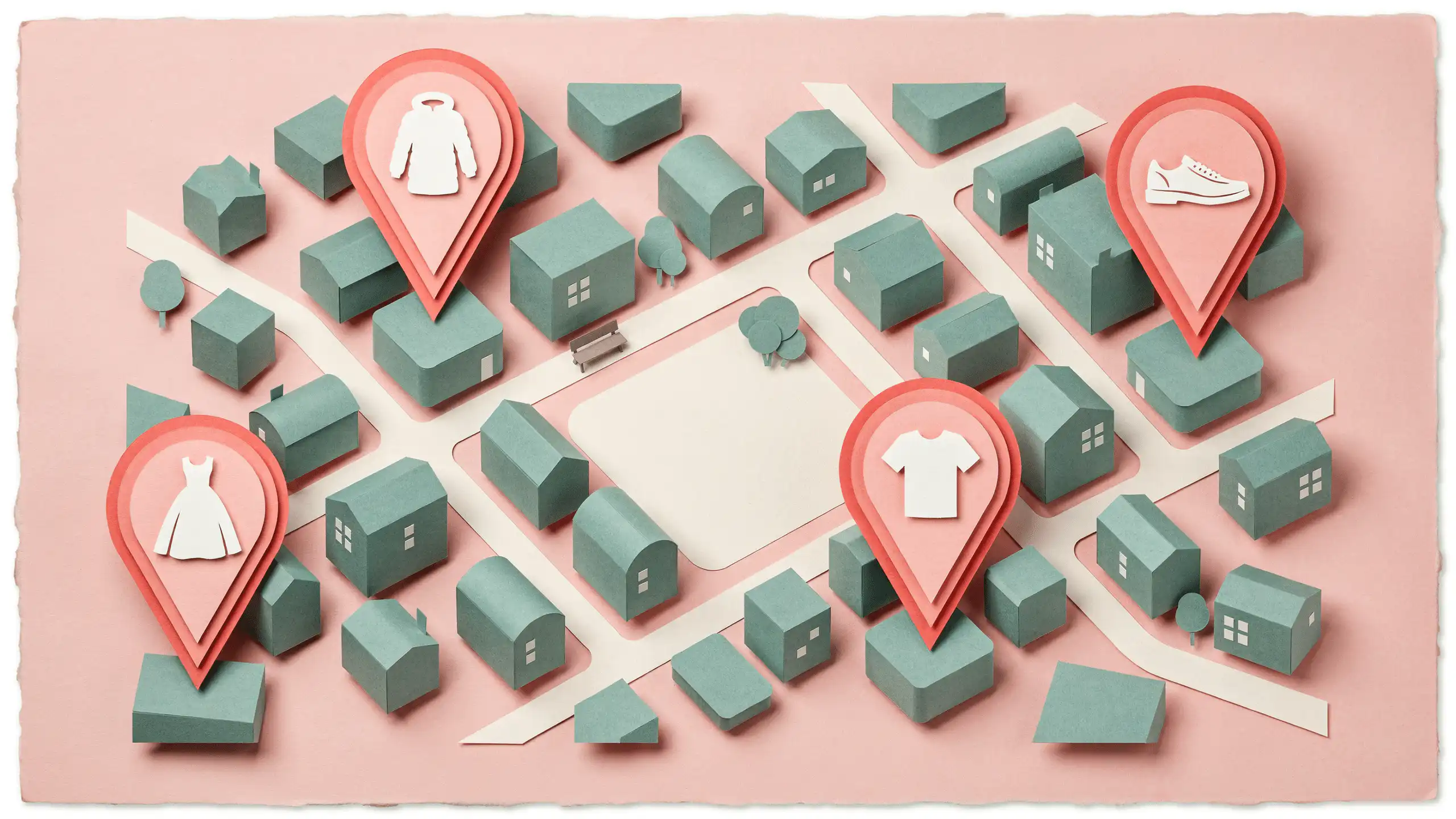

Give used clothes to the group that needs what you have: work clothes to Dress for Success, coats to a One Warm Coat drive, shoes to Soles4Souls, and everyday wear to Goodwill, the Salvation Army, or a local shelter. Check what each one takes before you go, and get a receipt if you’ll deduct the gift.
In 2018, Americans threw out 17 million tons of textiles, the EPA estimates, and 11.3 million tons of it went to landfills.
Where clothes do the most good depends on what they are. Some groups hand them straight to people who need them, like a suit to a woman headed to a job interview or a coat to a child in winter. Others sell what you give and spend the money on their programs, such as job training or addiction recovery.
Both kinds help, but each suits different things. A blazer does the most good worn by a woman starting a new job, while a bag of everyday T-shirts is exactly what a charity’s thrift store sells to pay for its work.
If you’re still deciding what to let go, sort your closet into sell, donate, and recycle piles first. Clothes too worn to give can go to a retailer’s take-back program for recycling, and pieces worth real money may bring more if you sell them online or on consignment.
National & regional groups
- The American Red Cross doesn’t take clothes at its offices, but GreenDrop, a for-profit fundraiser, collects them for it at drop-off centers and pays the Red Cross for them. Each center’s page names the charity it supports.
- Becca’s Closet gives free prom dresses to high school girls in need through volunteer-led chapters across the U.S. Ask the nearest chapter where it collects dresses.
- The Big Brother Big Sister Foundation picks up clothing and household goods for free across Massachusetts and parts of New Hampshire, and its net profits from them go to New England mentoring programs.
- Dress for Success gives women professional clothes for job interviews and work. Each local group sets its own drop-off days and rules for business clothes and accessories, and most can’t pick up.
- Goodwill takes clothing of all kinds, from everyday outfits to formal wear, plus shoes, handbags, and jewelry, and spends the proceeds on programs that help people gain skills and find jobs. Rules vary by local Goodwill.
- I Support the Girls takes bras of any kind in new or good condition, new underwear, and sealed menstrual products for people experiencing homelessness. Mail them in or drop them at a local affiliate.
- One Warm Coat collects coats through local coat drives, which you can find on its site by ZIP code, and gives them free to kids and adults who need them. Every coat should be clean and wearable.
- Planet Aid takes clean clothing, shoes, bedding, and towels in yellow bins across the Northeast, Mid-Atlantic, and Midwest, or by mail with a $25 shipping label. The proceeds fund community programs in education, health, and farming.
- The Salvation Army takes gently used clothing for all ages and uses the proceeds for its Adult Rehabilitation Centers, which help people struggling with drugs and alcohol. Schedule a free pickup or find a drop-off on its site.
- Soles4Souls takes new or gently worn shoes in every style and size, plus wearable clothing, for people in crisis and small sellers in low-income countries. Drop them off or ship a box to its nearest warehouse.
- Vietnam Veterans of America especially needs clothing and also takes household goods. Schedule a home pickup or find a drop-off in one of 13 states on its site. The proceeds fund programs for veterans.
Local places to give
- Places of worship often run clothing drives for families in need or stock their own thrift shops. Call the office to ask what they need now and where to leave it.
- Community outreach centers such as domestic violence shelters, health clinics, and youth centers hold drives for their clients, often for one kind of item, like winter coats or school uniforms. Giving there keeps your clothes close to home.
- Homeless shelters and missions hand clothing straight to the people staying with them, and what they need shifts with the season. Call before you bring a carload and ask what they’re short on.
- School clothing drives, often held around the holidays, pass what they collect to local charities. Ask the organizer where the clothes go and whether you’ll get a receipt.
- Thrift stores run by charities turn your clothes into money for their programs, while for-profit shops resell them at low prices. Ask which kind a store is, since a gift to a for-profit shop isn’t tax-deductible.
Deducting donated clothes
You can deduct donated clothes only if you itemize rather than take the standard deduction, listing each deduction on Schedule A. The new deduction for non-itemizers that starts with 2026 gifts covers cash only, and the IRS says clothing doesn’t qualify.
IRS Publication 526 requires each item to be in good used condition or better. You deduct each one’s fair market value, the price it would sell for as it is, and for used clothing, Publication 561 points to what people actually pay at thrift and consignment shops. The Salvation Army’s donation value guide gives low and high estimates for common items.
Starting with 2026 gifts, you can deduct only the part of the year’s charitable giving that tops 0.5% of your adjusted gross income, IRS Publication 505 says. That’s the income your return shows before the standard or itemized deduction. With an adjusted gross income of $80,000, the first $400 you give earns no deduction.
Get a receipt with the charity’s name and address, the date and place, and a description of what you gave. At an unattended bin, keep your own written list instead, with each item’s condition on it. A gift worth $250 or more needs the charity’s written acknowledgment, and if you deduct more than $500 in noncash gifts for the year, you also file Form 8283 with your return.
Check the group in the IRS’s Tax Exempt Organization Search to confirm it can receive deductible gifts, though some eligible groups, such as certain churches, don’t appear in it.
Write down each item and its condition before you hand the bag over. That list, kept with the receipt, is what backs up the value you claim.


Subscribe and we'll send you 101 Essential Money Tips to get you started.
The 101 money moves that matter most, from the foundations to protecting what you’ve built.
Advertiser Disclosure: Many or all of the offers that appear on this site are from companies that compensate us, and some companies pay for sponsored content. That compensation may influence which products we cover and where and how they appear on a page, including the order in which they appear. We do not include every company or offer available in the marketplace.