

If you finance a car with little down, gap insurance covers what you’d owe beyond its value if it’s totaled or stolen. Buy it from your auto insurer, where it usually costs less than the dealer’s version and carries no loan interest, though the payout may be capped. Drop it once you owe less than the car is worth.
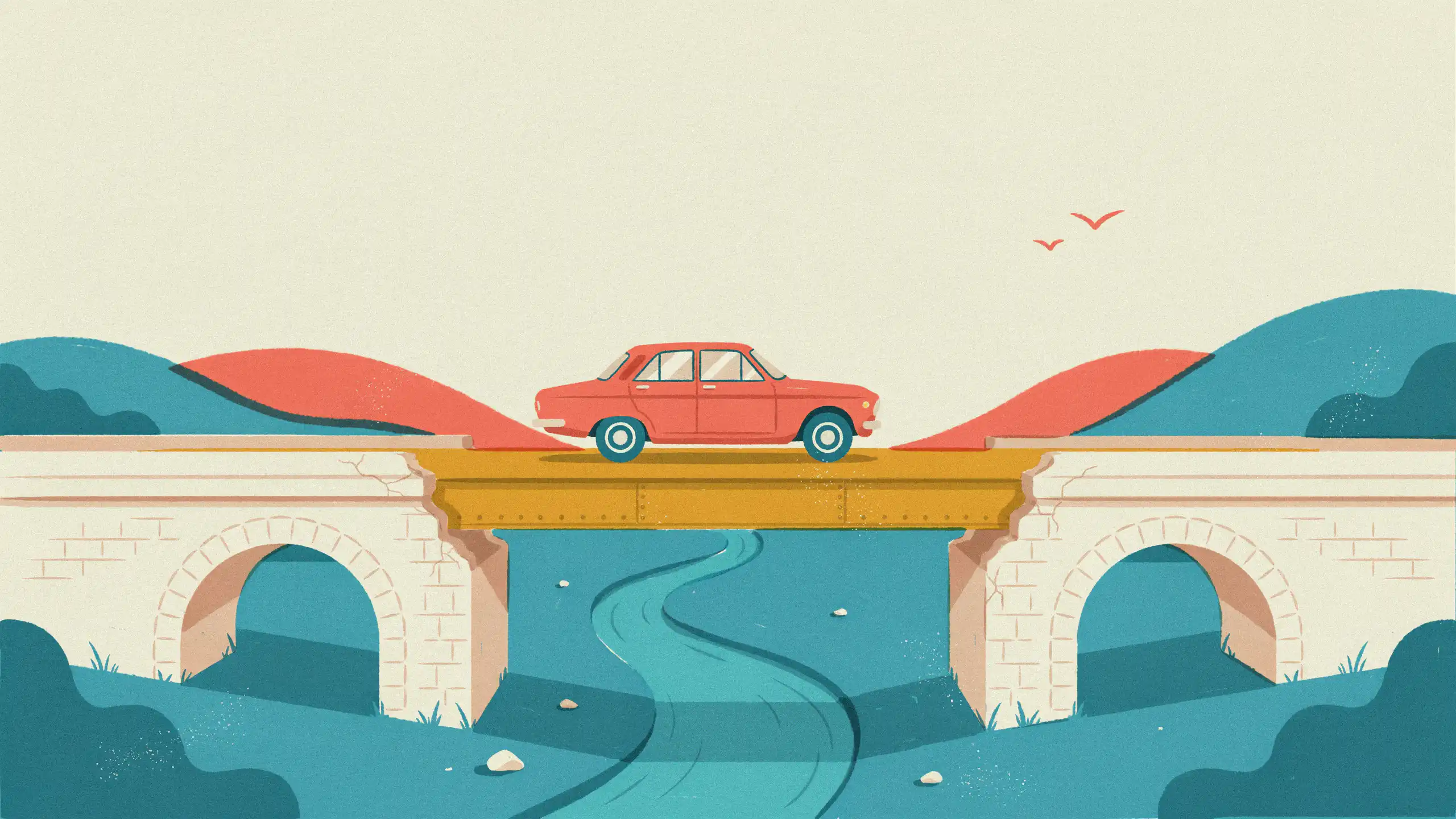
Say your $32,000 new car is worth $25,000 a year later, with $29,000 left on the loan. If it’s totaled or stolen then, insurance pays what the car is worth, not what you owe, and the other $4,000, plus your deductible, is yours to repay on a car you no longer have.
Dealers often charge a flat fee for gap and fold it into your loan. You pay interest on that for the whole term, even in years you no longer need gap.
The Insurance Information Institute says gap is worth considering if you put less than 20% down, finance for at least five years, or buy a model that loses value faster than average. Put 20% or more down on a shorter loan, with no old car loan folded in, and you can likely skip it.
Get a gap quote from your insurer before you meet the dealer’s finance manager. Insurers typically charge less than dealers, about $20 a year on most policies, according to the institute, but an insurer’s version can cap the payout. Many insurers sell it only to the original owner of a car no more than two or three model years old. Ask about payout limits, too, since Progressive’s version pays no more than 25% of the car’s value, and the cap varies by state. If your insurer doesn’t sell gap (GEICO doesn’t), ask the bank or credit union financing the car for its price, and pay upfront if you can to avoid interest.
At the dealership, decline gap and read the contract before signing, since some dealers add it automatically. Anyone who already bought the dealer’s gap should add coverage to their policy first, then cancel the dealer contract. They’ll usually get back the unused share of the fee, though a refund on a financed fee may go toward the loan.
Insurers won’t always drop gap on their own, so compare your loan payoff with the car’s value at each policy renewal and remove it once you owe less.

Editorial & Advertiser Disclosure: The editorial content on this page is not provided, commissioned, reviewed, approved, or otherwise endorsed by any advertiser. Opinions expressed here are ours alone, not those of any advertiser. The offers that appear on this site are from companies that compensate us. That compensation may influence which products we cover and where and how they appear on a page – including the order in which they appear – but it does not influence our evaluations, ratings, or opinions. We do not include every company or offer available in the marketplace.
Related: