
To winterize your home before the first hard freeze, start by disconnecting the hoses, draining the outdoor faucets, insulating exposed pipes, and getting the chimney swept. Those jobs head off the burst pipe or chimney fire that can end in a repair bill and an insurance claim. Clean the gutters and seal drafts next.
A pipe nobody drained or insulated can split in the first hard freeze. An unswept chimney can catch fire from creosote, the residue wood smoke leaves on its inner walls.
Burst pipes and chimney fires fall under the two costliest kinds of property damage claims. From 2020 through 2024, water damage and freezing averaged $17,240 a claim, according to the Insurance Information Institute, and fire and lightning averaged $101,092. Your deductible comes out of your pocket before the policy pays anything.
Start with the pipes and the chimney.
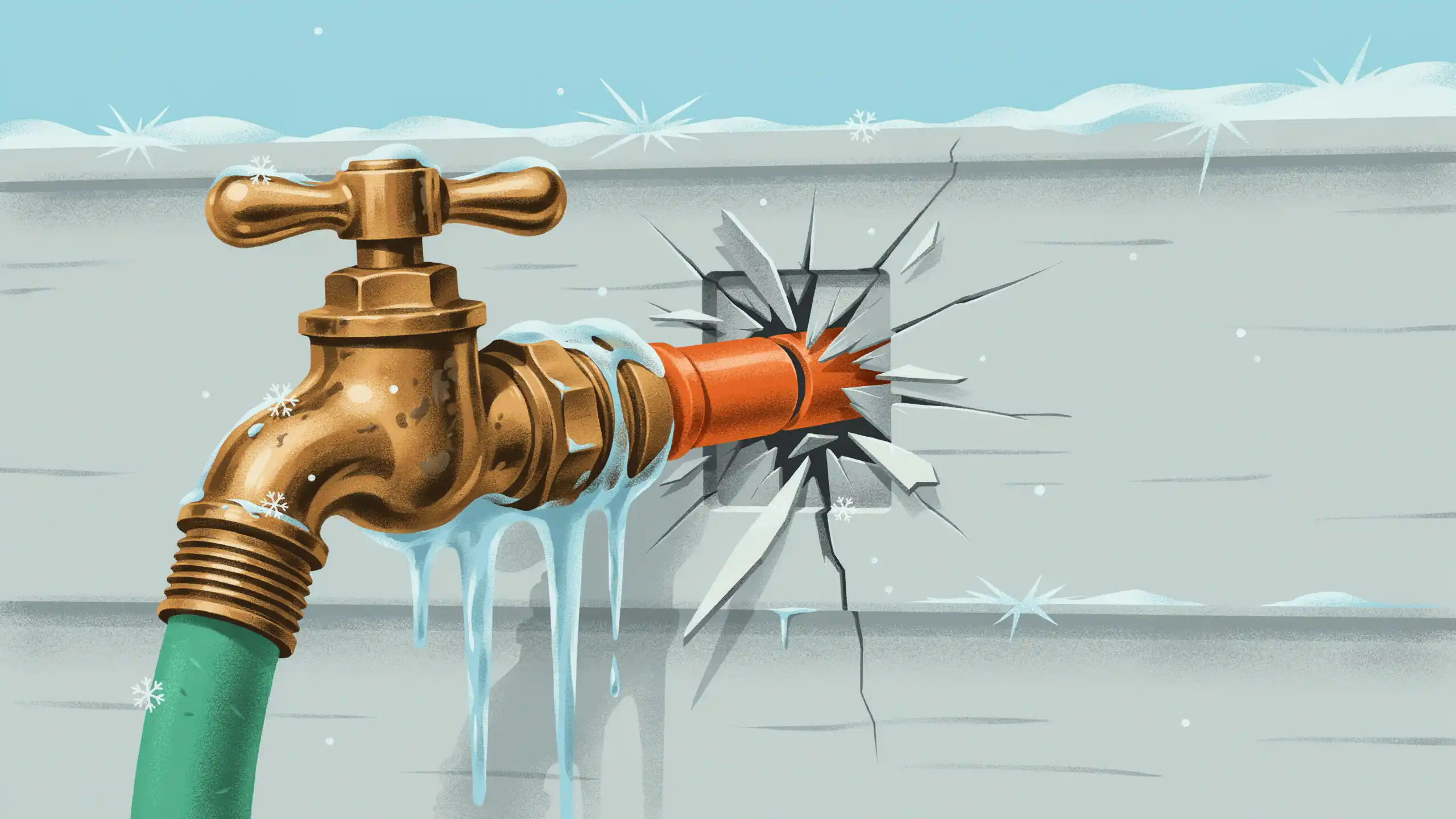
- Disconnect, drain, and store the hoses. Then close any indoor shutoff valves for the outdoor faucets and open the faucets so the lines drain.
- Drain the sprinkler lines the way the system’s maker or installer directs, and empty the rain barrels.
- Fit foam sleeves on pipes in an unheated garage, crawl space, or attic and on pipes along outside walls.
- Have a sweep certified by the Chimney Safety Institute of America clean and inspect the chimney before your first fire. The U.S. Fire Administration says to do it every year.
Then work through the rest of the house.
- Clean the gutters once the leaves are down, and trim branches that hang over the roof.
- Seal drafts around doors and windows with weatherstripping and caulk.
- Add attic insulation if you can still see the floor joists. More insulation also helps prevent ice dams.
- Wrap an older electric water heater in an insulating blanket if the tank feels warm to the touch.
- Change the furnace filter.
- Test the smoke and carbon monoxide alarms, and replace any smoke alarm made 10 or more years ago.
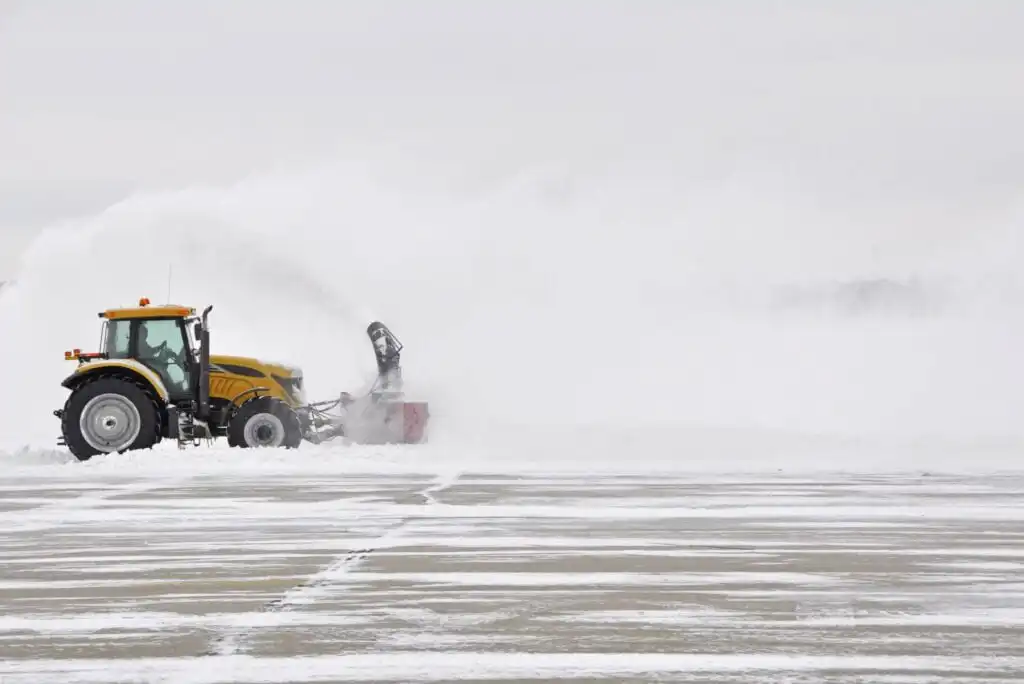
- Make sure the snow blower starts, and set out the shovels and ice melt.
A hose left on an outdoor faucet traps water in it, and that water can freeze and split the faucet’s pipe inside the house. The split won’t leak until the faucet is turned on again, so the damage can go unnoticed for a long time. Take the hose off even a frost-free faucet.


Subscribe and we'll send you 101 Essential Money Tips to get you started.
The 101 money moves that matter most, from the foundations to protecting what you’ve built.
Advertiser Disclosure: Many or all of the offers that appear on this site are from companies that compensate us, and some companies pay for sponsored content. That compensation may influence which products we cover and where and how they appear on a page, including the order in which they appear. We do not include every company or offer available in the marketplace.