

Your credit history is an incredibly important part of your financial life. It impacts the loans you can qualify for and the interest rates and fees you pay when you borrow.
In some cases, your credit can affect more than just loans. Some employers check your credit, and having poor credit may make it harder for you to get a job. It can also leave you struggling to find an apartment to rent or having to pay upfront for utilities or cell phone service.
If you don’t have a credit history, there are a few actions you can take to build yours up fast.
What Is a Credit History?
Your credit history is your track record of handling debt and bills in the past. There are three major credit bureaus — Experian, Equifax, and TransUnion — that track your credit history and compile it into credit reports.
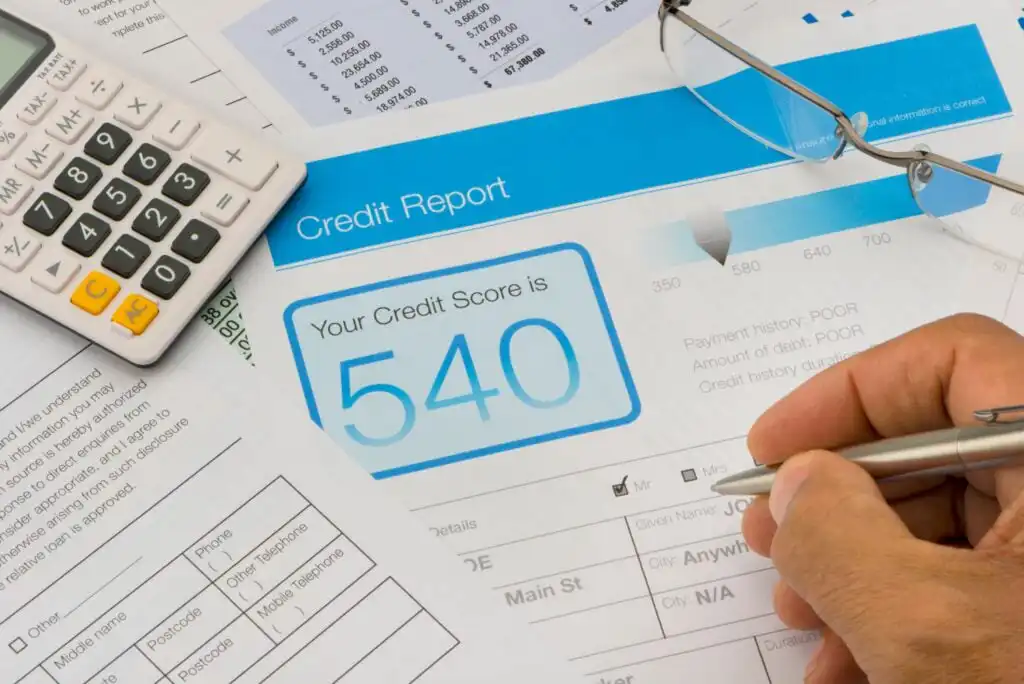
When you apply for a loan, the lender will typically ask one or more of the credit bureaus for a copy of your credit report so it can see your credit history. The reports also come with a numerical score between 300 and 850, with higher scores being better.
If you’ve handled credit well in the past, you’re more likely to qualify for a loan or more favorable interest rates because lenders see you as less of a risk. You can think of it like a high schooler’s transcript, which shows their history of education and the grades they’ve received, and can impact which colleges will accept them.
What Determines Your Credit Score?
One of the most important aspects of your credit report is your credit score, which gives lenders a quick and easy way to gauge your financial trustworthiness. These five factors, ranked in order of importance, determine your credit score.
Payment History
Your payment history is the most important aspect of your credit score, determining more than one-third of it alone. It’s a relatively simple measure, looking at the number of loan payments that you’ve made before their due date.
Every time you make a payment on or before its due date, that helps your score. Missed or late payments hurt your score. Even one missed or late payment can have a major impact, reducing your score by far more than even two or three timely payments will boost it.
That means that paying your bills before their due dates is essential to maintaining good credit.
Credit Utilization
Your credit utilization measures the amount of debt you have as a percentage of your credit limits. If you’re maxing out your credit cards, lenders see that as risky behavior, so using only a small portion of your credit limits can help increase your score.
Length of Credit History
The more experience you have with credit, the better able you are to handle it. Longer credit histories also give lenders more data on how you handle debt, so the longer your credit report is, the better your credit score will be.
Lenders also like to see people who keep accounts for the long term, so the older your average credit account is, the better it is for your score.
Credit Mix
Not all debt is made the same. Mortgages differ from credit cards, which differ from student loans. Lenders like to see borrowers that have experience with different types of credit, so you can expect a boost to your score if you have a mixture of different types of loans.
New Credit
Each time you apply for a new loan or credit card, it drops your score by a few points. If you go on a spree of applying for new debt, lenders tend to see that as a sign of a risky borrower, so you can help you score by only applying for new loans or credit cards when you really need them.
How to Build Your Credit History Fast
If you have a limited history of using credit or have no experience with credit at all, these actions can help you build your credit history.
1. Sign Up for a Credit Monitoring Service Like Credit Insights by SoFi
First, find out where you stand. Having limited credit history doesn’t necessarily mean you have no credit score at all, and you’ll need to know what it is — and where it’s going — if you’re serious about getting back on sound financial footing.
The best place to start is Credit Insights by SoFi, a free platform that pairs on-demand access to your TransUnion VantageScore 3.0 with a holistic view of your personal finances. You’ll never have to wonder what your score is doing, either, thanks to frequent score alerts and deep insights into the factors that affect your credit score.
Other Credit Insights by SoFi benefits worth noting include:
- Insightful tips to help boost your score
- The option to set monthly spending targets
- A picture of your top spending categories every month
- The ability to set multiple long-term financial goals
- The option to set up a free consultation with a financial planner to discuss your long-term objectives
2. Apply for a Secured Credit Card
Secured credit cards are one of the best tools for people with no credit history to start building credit.
With a secured credit card, you have to give the lender a cash deposit, typically in the range of $200 to $500. The lender then gives you a credit limit based on your deposit — usually equal to the deposit.
You can then use the card just like any other credit card. When you use it to make purchases you’ll get a monthly statement and have to pay the balance. You can carry a balance — which incurs huge interest charges — or, preferably, pay it in full.
What makes secured cards great for people with limited credit history is that they present little risk to the lender, so almost anyone can qualify for one. Because you give the lender a cash deposit, you’re effectively lending the money to yourself. This means the lender takes on almost no risk, so almost anyone can qualify for a secured card and use it to start building a solid history of timely payments. When you close the account or graduate to an unsecured card, the card issuer will return your cash deposit to you.
Many secured credit cards charge high fees, including account setup fees and annual fees, but there are free options out there. For example, the Discover it Secured Credit Card doesn’t charge an annual fee or a setup fee and even offers cash-back rewards.
If you’re not comfortable with opening a new credit card, there are ways to build credit without a credit card.
3. Get Someone to Cosign a Loan
A common way for people with no credit to qualify for a loan is to find a cosigner. This involves finding someone who trusts you a lot — often a parent or other family member. When someone cosigns on a loan, they’re telling the lender that they’ll accept full responsibility for the loan if you fail to make your required payments.
This helps you because if you find a cosigner with good credit, it can make the lender more confident about approving the loan. The drawback, of course, is that you need to find someone willing to cosign on the loan. Your cosigner is taking a risk by doing so, so you’ll need to find someone who trusts you.
It’s also important for you to remember the trust that person has placed in you and to make sure that you do everything in your power to repay the loan so the cosigner isn’t left footing the bill.
If you can find a cosigner for a loan, making the required payments can help you establish your credit history and boost your credit score, eventually to the point that you can qualify for loans on your own.
4. Become an Authorized User
People who have credit cards can often add other people as authorized users of their accounts. These authorized users get their own cards and can make purchases using them. Those purchases get added to the main account balance.
Authorized users are a great way for a couple to share a single credit card account or for parents to give children access to a credit card.
Some but not all card issuers will report card activities to the credit reports of authorized users, meaning that becoming an authorized user on a credit card can help you build a good credit history of your own.
The card issuers that report information to the credit reports of authorized users include:
- American Express
- Bank of America
- Barclays
- Discover
- Capital One
- Citi
- Chase
- U.S. Bank
- Wells Fargo
One benefit of this strategy is that the primary cardholder making you an authorized user doesn’t really have to give you access to their account; they can add you as an authorized user but keep the card that is sent to them.
The drawbacks of this strategy are that you have to find someone who is willing to add you as an authorized user, and the account holder must manage their credit card well. If someone adds you as an authorized user to a maxed-out credit card or they miss their payments, that will hurt rather than help your credit score.
5. Automate Payments
Although it should be obvious, it’s worth reiterating that the best way to build your credit history is to pay your bills on or before their due dates. Missing even a single payment can set your credit score back by a huge amount.
A good way to make sure you don’t miss payments is to set up automatic payments through your credit card’s account management portal. Most card issuers let you manage your card online. You can link your bank account and set it to automatically submit payment before the due date.
You can customize your automatic payment to be a set amount every month, the entire statement balance, or the minimum required payment. Although it’s ideal to set it to pay the statement balance in full every month so you can avoid interest charges, even setting up automatic payments for the minimum due is enough to make sure you don’t miss payments and hurt your credit.
Aside from your credit card statements, you can also automate many recurring bills, such as utility bills and rent or mortgage payments, to make sure you never miss a due date. Each bill you pay on time adds another brick to help build your credit history.
6. Pay Off Credit Card Balances
Beyond making your payments on time, paying your balance in full can help boost your score. The amount that you owe and the amount of your credit limits that you’re using both impact your credit score. If you pay your balance in full every month, that will help your score because it keeps your debt and credit utilization low.
Paying your balances in full also helps you avoid interest charges. Interest rates, especially on credit cards, can be extremely high and the interest charges add up quickly. You can easily find yourself buried under an insurmountable amount of interest if you only make the minimum required payments, which can make it hard to keep paying your bills and will damage your credit in the long run.
7. Only Apply for Loans or Cards You Need
Each time you apply for a loan or credit card, the lender may request a copy of your credit report from one or more of the credit bureaus. The credit bureaus take note of these requests and add a note on your report each time it happens. Each request — called a hard inquiry — drops your score by a few points. The effect of each hard inquiry diminishes over time until they fall off your report two years later.
That means each time you apply for credit — whether you’re approved or not — decreases your score slightly. Applying for a lot of loans or credit cards in a short period can really damage your score.
If you’re approved for a loan or new credit card, it can cause another short-term decrease in your credit score by reducing the average age of your credit accounts. The older your average loan and credit card account is, the better it is for your score. Opening a lot of new accounts makes your average account younger, reducing your score.
8. Increase Your Credit Limits
The amount of debt you have compared to the credit limits of your credit cards plays a role in determining your credit score. The lower your credit utilization, the better your score will be.
One way to reduce your credit utilization is to increase your credit limits. Having $100 in debt with a $500 credit limit means you’re using 20% of your available credit. But $100 in debt with $1,000 in credit limits is only 10%.
Many credit card issuers are willing to increase your credit limit as your credit score improves or as you demonstrate that you can handle your credit card well. Many issuers let you request a credit limit increase through your online account, and there’s typically no risk to doing so.
If you’ve had a card for at least six months to a year, ask your card issuer if they will boost your limit — the worst that can happen is that they say no.
9. Check Your Credit Report for Errors
As you begin to build your credit, keep an eye on your credit reports to ensure they’re accurately reflecting your efforts. The credit bureaus aren’t perfect, and sometimes they’ll put incorrect information on your credit report. It could be a simple mistake or it could be someone who opened an account in your name.
Regardless of what caused the error, having incorrect information on your credit report can damage your score, especially if it’s showing a delinquent account or a huge outstanding balance.
Check your credit reports regularly to make sure all of the information on them is correct. If you notice an error, reach out to the credit bureau to get it removed. You might see a huge jump in your score once the mistakes are corrected.
Final Word
Credit is an essential part of modern life. Without it, most people wouldn’t be able to buy a house or a car. Credit even makes small, everyday purchases easier and more convenient through the use of credit cards.
Taking steps early in life to build your credit can help set you up for financial success down the road. At the very least, building better credit will help you qualify for lucrative rewards credit cards that can help you save money when you shop or go on exciting vacations on the cheap. And if life ever knocks you off course, you can use many of these same tactics to help rebuild damaged credit.
How have you built up your credit history? What challenges have you faced in trying to establish or maintain a good credit score?

Editorial & Advertiser Disclosure: The editorial content on this page is not provided, commissioned, reviewed, approved, or otherwise endorsed by any advertiser. Opinions expressed here are ours alone, not those of any advertiser. The offers that appear on this site are from companies that compensate us. That compensation may influence which products we cover and where and how they appear on a page – including the order in which they appear – but it does not influence our evaluations, ratings, or opinions. We do not include every company or offer available in the marketplace.
Related: