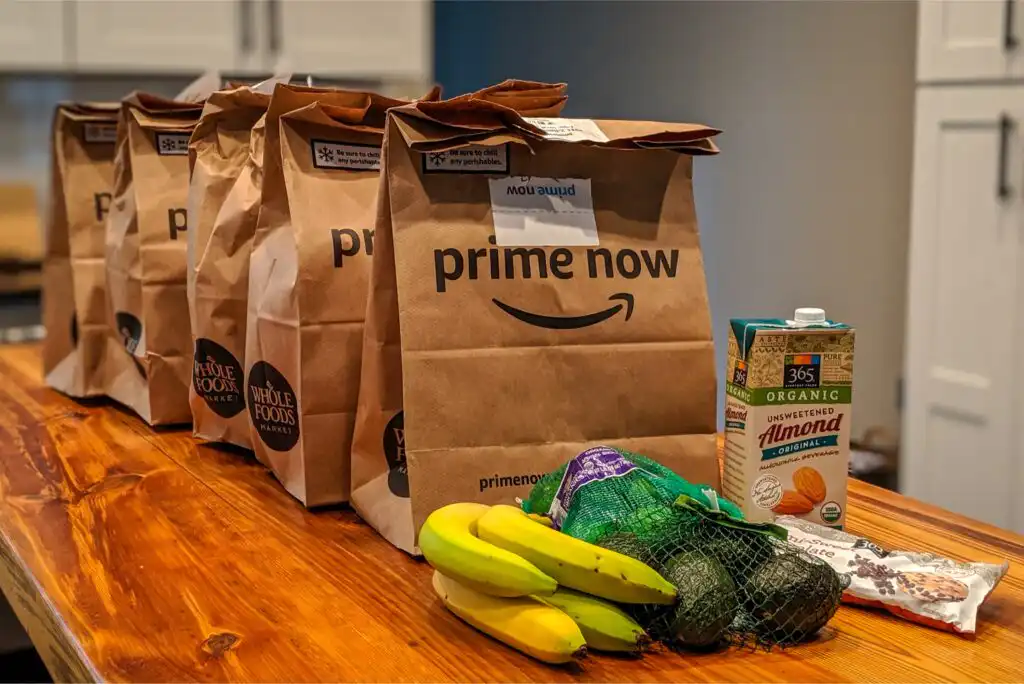


I spend around $350 per month on groceries just for me. For a family of four, it’s probably closer to $1,000 or more. That’s a lot of money by anyone’s standards.
And unfortunately, the price of groceries is going up. That means it’s getting tougher for all of us.
Cutting your grocery bill can seem challenging at first, but with a plan and a few changes to how, when, and where you shop, it is doable.
Ways to Save Money on Groceries
Saving money on groceries can start before you even step into the store. Doing some prep before you shop and thinking beyond the supermarket can help you trim your grocery bill.
1. Start in Your Pantry
One thing that makes your grocery bill skyrocket is food waste.
Food waste can take several forms, such as leftovers that turn slimy and moldy in the back of the refrigerator or fresh fruits and veggies that slowly rot, forgotten in the crisper drawer. You can waste food by forgetting to properly seal bags in the freezer or leaving cereal or cracker boxes open.
To cut down on food waste, begin every shopping trip with a visit to your kitchen. Take note of what you already have on hand and what needs to be eaten ASAP. You can create a pantry and refrigerator inventory using a spreadsheet or by writing out a list you hang in the kitchen.
2. Use Sales Flyers Wisely
Grocery stores’ weekly sales flyers advertise some of the best deals in the store. But they also contain some duds, so use them wisely.
The best deals are on the front page to lure you into the store. But you can also find significant markdowns on inserts that fall out and any flaps that fold over other pages.
The deals on the middle pages are filler. They may have some discounts you can use, but they’re not steep, and you may find a better deal elsewhere. But that doesn’t mean they’re worthless, especially if you have coupons to add to the discount.
Each week, collect all the sales flyers from your favorite grocery stores. They come via snail mail, or you can find them on the supermarket’s website. You can also download an app called Flipp, which saves them all in one place for easy comparison and lets you make grocery lists based on them.
Focusing primarily on the pages with the best deals, make note of commonly used ingredients or household goods. If you spot an unbelievable deal on a staple, put it on your list with a note about which store to buy it from.
When planning your meals for the week, focus on the best deals. Try to use each sale ingredient at least twice. If you find four really good sales, that’s eight discounted meals that week, assuming you don’t use two in the same dish.
And keep substitutions in mind. If you usually make shredded chicken enchiladas, but roast is on deep discount this week, make pot roast with potatoes and carrots for one meal, then pivot to shredded beef enchiladas to use up the leftovers.
But use the sales flyers wisely. Don’t buy something you won’t or can’t use just because it’s a good deal. If you don’t have a concrete plan for it, leave it on the shelf. And do your homework on any discounts on the interior pages to ensure you’re really getting a bargain.
3. Make a Plan
Meal planning helps you use up what you already have in your kitchen and allows you to limit what you purchase on your next grocery run. But there’s a right and a wrong way to plan meals.
The right way to plan meals is to keep things realistic.
Instead of digging into cookbooks or searching online for elaborate recipes that require a lot of ingredients, expensive items, or a lot of time and effort, keep things simple. Look for meal ideas that use what you have and don’t require esoteric ingredients.
If possible, plan your meals for the week to feature the same ingredient in different iterations. You could do a mushroom frittata for dinner one night, mushroom and black bean enchiladas another night, and black bean soup on the third night, for example.
Going meatless for at least a few meals per week also helps you save a lot of money. Vegetarian protein sources like beans, tofu, and nuts are a lot cheaper than meat.
Along with planning the big three meals, plan for snacks. If you know you’re likely to get takeout or go out to eat, leave room for that in your meal plan.
Since leftovers are often unavoidable, plan for them as well. You can plan to have a meal for dinner one night and any leftovers for lunch the next day. Or you can plan to use leftovers from one meal to make another, such as a meatloaf sandwich for lunch or leftover fajita meat in a wrap.
4. Make a List
When you go to the grocery store with a list in hand (or on your phone), you’re less likely to forget to buy everything you need. And if you make a rule only to buy what’s on the list, you don’t spend more than you planned on impulse purchases.
It can take some trial and error to get into the habit of making a list before you go shopping. Finding the right method for you is essential. I bought a magnetic notepad that lets me check off items as I run out. But you can also try apps like Out of Milk or AnyList.
Or you can create a custom list of frequently used groceries in a Google Document or Apple Note so you can access it anywhere. When you need something, go into the list and highlight it. You can add special-occasion or rarely purchased goods to the bottom.
Keep it open on your phone as you shop. As you retrieve purchases from the shelves, remove the highlight from your list or delete special purchases.
5. Buy Into a Community Farming Group
If you eat a lot of vegetables, cook from home frequently, and are willing to try new-to-you foods, a community-supported agriculture share can help you save on groceries.
When you purchase a share, you pay upfront or in installments to receive a certain amount of produce from a farmer or collective of farms each week. Many programs run during the growing season, usually from late spring through late fall, but some also offer winter options.
Although you have to pay a considerable sum upfront to invest in these programs, getting one can mean lower grocery bills down the line. You’re likely to get more for your money with a share, as you’ve cut out the grocery stores.
6. Shop Your Local Farmers Market
Although some farmers markets have reputations for attracting top chefs and catering to the 1%, there are often some good deals at your local farmers market. When you shop local and in season, the prices you pay are frequently slightly lower compared to a grocery store.
Even if farmers market prices seem higher than your supermarket’s, there’s a chance you’re still getting a better deal. You’re likely to get more for what you pay at a farmers market. For example, instead of 1 pound of kale for $2, you get 1.5 pounds for the same price.
The produce at supermarkets is also usually at least several weeks old by the time you get it, either because it took that long to get it to the seller or the product receives a treatment to make it last longer. For example, the United States Department of Agriculture allows growers to treat apples with a chemical that keeps them firm for up to 10 months.
The produce at farmers markets also hasn’t been sitting around in warehouses or trucks. Fresher produce is more likely to last longer, meaning you’re less likely to find it rotting at the bottom of your crisper drawer within a week.
7. Pick Your Own Produce
Visiting an orchard or farm that lets you pick your own produce can help you cut your grocery costs if you pick enough to make it worthwhile and have a plan for preserving your harvest.
Pick-your-own farms and orchards vary considerably in terms of pricing. One Philadelphia-adjacent orchard charges considerably more than local farmers markets. But orchards in nearby Lancaster County charge considerably less. So check prices before you go.
And if you have the space, you can even start your own garden to grow commonly purchased fruits and vegetables.
8. Preserve In-Season Produce
Fruit and vegetables purchased in-season tend to cost a lot less than out-of-season produce, whether you get them from a farmers market or conventional grocery store. One way to make the harvest last and extend your food dollar is to preserve as much in-season produce as you can.
Preserving produce doesn’t require specialized equipment or exertion. You can find guides to freeze just about anything on sites like Taste of Home, Bon Appetit, and Food Network. And sites like CNET and The Salty Pot cover oven-dehydrating. Or head to Wonder How To’s Food Hacks to discover other drying methods.
Just remember to buy and preserve only what you think you can use. Buying stuff you don’t need is just another way to waste money and take up freezer or pantry space.
9. Shop Less Often
There was a time in my life when I was going to the grocery store more than a couple of times per week. It happened for multiple reasons: poor planning, boredom, or wanting something fun to snack on. Even when I went to the store to get “just one thing,” I’d usually leave with several, spending more than I’d planned.
Back then, it was tough for me to get my grocery budget under control. Then COVID-19 came, and suddenly, going to the store that often wasn’t an option. I made it a point to limit my shopping trips to just one or two per month.
Even as the world has started to open up again, I’ve kept up the habit of limiting my shopping trips. It’s significantly helped me cut my budget.
The less time you spend in the store, the fewer opportunities to make impulse purchases. Shopping less has also helped me use what I have before I shop again, which has helped me cut down on food waste while reducing food costs.
10. Shop Online
Although you often have to pay a delivery fee and tip when using an online grocery delivery service, ordering your groceries online can still help you save.
When you order online, you eliminate the risk of impulse buys. There’s no candy beside the register, so you’re less likely to throw a Reese’s into your cart at the last second.
You can also combine your pantry inventory check and meal planning with online shopping, meaning you’re likely to order precisely what you need and less likely to have to make multiple purchases.
But you’re not limited to online grocery delivery services like Instacart. You can order most pantry staples, such as condiments, beans, peanut butter, and flour, from stores like Target or Amazon.
Provided you meet the free shipping minimum, you can get what you need without paying a delivery fee or tip. Or you can join membership programs like Amazon Prime or Walmart+ to get free shipping on any size order.
Another way to avoid the delivery fee or tip is to order your groceries online, then go to the store for pickup. You can dash over to the customer service desk to pick up your groceries, avoiding any temptations. Some retailers offer curbside pickup, so you don’t even have to leave your vehicle.
Installing a browser extension that searches for and applies coupon codes or gives you cash back can help you cut even more from your online grocery bill. Most browser extensions work best on the big supermarket or discount store sites.
The Camelizer is worthwhile if you shop on Amazon Fresh. Capital One Shopping works at Safeway, Walmart, Target, and some specialty food retailers. But try them all to see what works best at the places you shop.
11. Use a Rebate App
Rebate apps like Ibotta and Fetch Rewards let you earn cash back on groceries and everyday essentials, such as soap or household cleaners.
Some apps ask you to choose the stores you shop frequently or even preselect deals. Others give points for any product they have a deal for. To get your points or rebate, you snap a photo of your grocery receipt.
Depending on the app, you can choose to get your rebates in cash or as a gift card.
There are many rebate apps on the market, so choose the one that works best for the products you buy and the stores you shop. For help selecting the right app for you, read our article on the best rebate apps.
12. Start Couponing
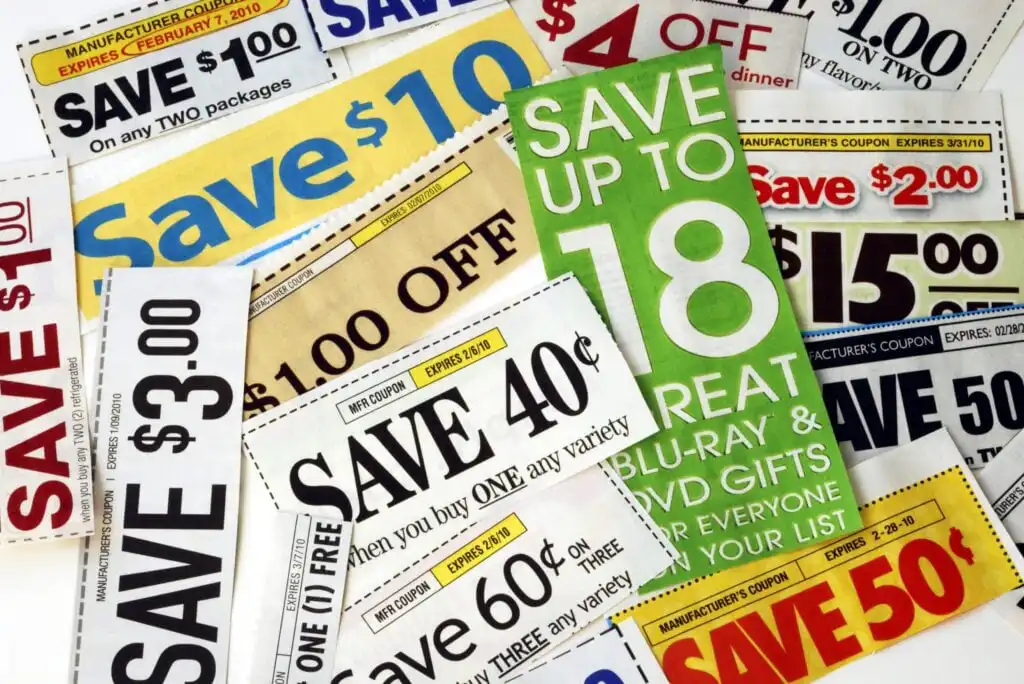
If the word “couponing” conjures images of people buying cartsful of frozen pizza and breath mints for a grand total of $1.52, it’s time to reset your expectations. Some people go over the top with extreme couponing. But it’s possible to use coupons moderately.
Couponing doesn’t mean you need to spend hours digging through your neighbor’s recycling bins looking for discarded flyers, nor does it mean you need a three-ring binder to store them. It just means you know where to look for coupons and how to use them.
As you get into couponing, bear these tips in mind:
You can find coupons on a database like Southern Savers or TrueMoneySaver.com. You may also get them in the mail, either in the sales flyers that come weekly or in packets directly from grocery stores.
If there’s something specific you’re looking for, you can just search the Internet for a coupon or find one on the manufacturer’s site. If you have a store’s loyalty card, you can use their digital coupons.
Just remember to get coupons only for things you use. Otherwise, you may be tempted to buy something you don’t need or spend more to use a coupon on a name brand when you usually buy generic.
It also pays to know your store’s coupon policy. Some stores prohibit using more than one coupon or discount on a single product. Others double or triple coupons on certain days. They may also have prohibitions against certain coupon types.
13. Get Acquainted With Cheap Pantry Staples
While coupons can help you save money on brand-name products and going to the farmers market or a pick-your-own orchard can cut your produce costs, another way to save on food is to buy naturally affordable foods.
There’s a reason beans-and-rice is a staple meal in so many cultures around the world. It’s healthy and budget-friendly. There are also pretty much limitless variations on it, so you’ll never get bored.
Other affordable pantry staples include:
- Dried pasta
- Rolled oats
- Canned fish or meat
- Canned or frozen vegetables
- Powdered milk
As a bonus, not only are pantry staples inexpensive, they are also usually nonperishable, so you don’t need to worry about them spoiling quickly.
14. Change Your Preferred Grocery Store
Even though they sell the same or very similar products, not all grocery stores charge the same prices. Some grocery chains are notorious for having higher prices than others. Some chains make offering budget-friendly prices a point of pride.
If you think a budget grocery store offers lower-quality products than its competitors, think again. Often, budget stores can sell their products at lower prices because they cut costs in other ways.
For example, if you shop at Aldi, you’ll have to deposit a quarter to use a shopping cart and pay for any bags you use. Most of the products for sale there are private-label, so you’re not paying for brand names or brand-name advertising.
15. Sign Up for Your Preferred Store’s Loyalty Program
If you shop at a particular store frequently and it offers a loyalty program or frequent shopper’s card, it can be worth signing up for. Along with giving you the sale price on flyer items for the week, you might also get coupon offers or discounts tailored to your shopping preferences.
Some loyalty programs also give you cash back or let you rack up points as you shop. For example, Target Circle lets you earn 1% on every purchase (or 5% if you have the store’s credit card). The Circle program also features exclusive deals and offers only available to members.
16. Stick to Store Brands
When you buy name-brand products, such as canned tomatoes, ice cream, or peanut butter, are you getting something that’s higher quality or that tastes better than the less pricey store brand? Not really.
Although it’s not universally the case, in many instances, the same companies that make branded products produce the store brands.
The next time you’re at the store, compare the cost of your favorite brand name to the store brand. If the store brand is cheaper, buy it and give it a shot. If it just doesn’t live up to your expectations, you can switch back the next time.
17. Eat Before You Shop
If grocery shopping sin No. 1 is shopping without a list, a close second is shopping on an empty stomach. When you go to the store before you have lunch or dinner, you’re likely to add things you don’t need or even particularly want to your cart, making your bill higher.
Similarly, it’s best to avoid going to the store after a meal that involved alcohol consumption. You’re likely to spend more and make impulse buys if you head to the supermarket when you’re a bit tipsy.
18. Shop Solo
Shopping by yourself offers multiple benefits. You’re likely to spend less time in the store when it’s just you than if you bring the kids or a partner. When you’re the only one doing the shopping, no one’s there to beg you to buy them a pint of ice cream or cookies from the bakery.
It’s also easier to stick to your list when you don’t have someone else throwing goods into the cart when your back is turned.
If you’re a parent and finding the time to shop alone is challenging, work something out with a friend who also has kids. Offer to watch their kids while they shop. Then, they can watch yours while you do the same.
19. Keep a Price Book
The key to saving money at the supermarket is never paying full price for anything. Many stores follow a sales cycle during which they mark down goods incrementally.
A jar of pasta sauce might cost $3 at full price but get marked down to $2.50 one week, then $1.50 the next. Its rock-bottom price might be $0.99.
Deciphering the sales cycle and stocking up when products you use are at their lowest price is one way to save the most possible on groceries. To keep track of prices, you can create a price book.
Use the book to track the prices of groceries you buy frequently. If you shop at different stores, record each store’s price for every product. The goal is to keep yourself from overspending on the essentials you use the most by only buying them when they’re at a lower price.
20. Shop in the Morning
At the end of an eight-hour (or longer) workday, going to the grocery store is usually the last thing you want to do. You’re tired, you’re hungry, and you just don’t feel like moving your way through a crowded supermarket. If you’re like a lot of people, you’re out of willpower and uninterested in making decisions by the end of the day.
If your schedule allows, shop first thing in the morning. You’ll be refreshed and ready to go, and if you shop on a weekday, you’re less likely to have to deal with crowds. When you’re not tired or worn out, you’re less likely to impulse-buy or veer away from your list.
21. Pay Attention at the Register
No one is perfect, and that includes your local grocery store.
Pay attention as the cashier scans each bar code. If something doesn’t look right, say something.
In some cases, the store itself is to blame for the mistake. A product might scan for a price that’s higher than what’s on the shelf. If that happens, some stores will give it to you for free.
So it’s worth keeping a sharp eye on the register and reviewing your receipt to ensure there aren’t any errors before you leave.
22. Buy the Day-Old Bread & Past-Prime Products
Many stores sell day-old fresh bakery goods for a steeply discounted price. Some stores also discount yogurt, milk, and cheese that’s near its use-by or best-by date. You can even find some that sell bruised or nearly expired produce for cheap.
If you don’t mind toasting your bread or are looking for a cup of yogurt to eat within a day or so, you can save a pretty decent amount by buying the food that’s nearing the end of its saleable life.
23. Learn to Do Prep Work Yourself
Bagged salad, precut melon cubes, cheese cubes, and spiralized zucchini all help you get dinner on the table in a flash. But they do so at a pretty high cost.
For example, at the Acme in Philadelphia, broccoli crowns are $2.49 per pound. A 12-ounce package of precut broccoli florets is $3.49. That’s three-quarters of a pound for $1 more.
Similarly, a pound of Granny Smith apples is $2.99. Get those apples presliced, and you’ll pay almost three times as much — $8 per pound.
Another drawback of precut or otherwise prepared food is that it typically has a shorter shelf life than whole foods. You can let a whole butternut squash sit on your counter for months, and it won’t go bad. If you buy cut squash, you’d better eat it within a few days to prevent it from turning to mush.
Prepping food yourself takes time, and you might have to invest in a good-quality chef’s knife. But the money you save will be worth it.
24. Do a Pantry Challenge
Just because it seems like the cupboards are bare doesn’t mean you don’t have plenty of food in your kitchen, at least enough to tide you over until your next paycheck.
One way to make do with what you have is to do a pantry challenge. Take a look at what you have in your fridge and cabinets and create meals from those ingredients rather than heading to the store to stock up.
A pantry challenge forces you to use the ingredients you’ve had lingering in the back of the cupboard for weeks. And it shows you what you can skip buying going forward. It does require you to get creative in the kitchen, though.
How long the challenge lasts depends on the size of your pantry and how much you have to cook with. The goal of the challenge is to use up what you have before you buy more. It can help you get your grocery spending in check and reduce food waste.
25. Simplify Your Cooking
I love reading cookbooks and trying new recipes, but let’s face it. It can become an expensive hobby, especially if you like to try out new cuisines or experiment with different flavors.
Embracing minimalism in the kitchen is one way to save on groceries. Instead of racing out to buy an esoteric spice for a recipe you might only make once, stick with what you know you love.
You can save experimenting with foods for special occasions, such as vacation or date night.
Final Word
Changing your habits and approach to shopping can help you cut your grocery bills and save money on food.
But becoming a more frugal grocery shopper doesn’t just help you save money. You’ll also cut down on waste, and if you shop at farmers markets or join a CSA program, you can support your local economy.

Editorial & Advertiser Disclosure: The editorial content on this page is not provided, commissioned, reviewed, approved, or otherwise endorsed by any advertiser. Opinions expressed here are ours alone, not those of any advertiser. The offers that appear on this site are from companies that compensate us. That compensation may influence which products we cover and where and how they appear on a page – including the order in which they appear – but it does not influence our evaluations, ratings, or opinions. We do not include every company or offer available in the marketplace.
Related: