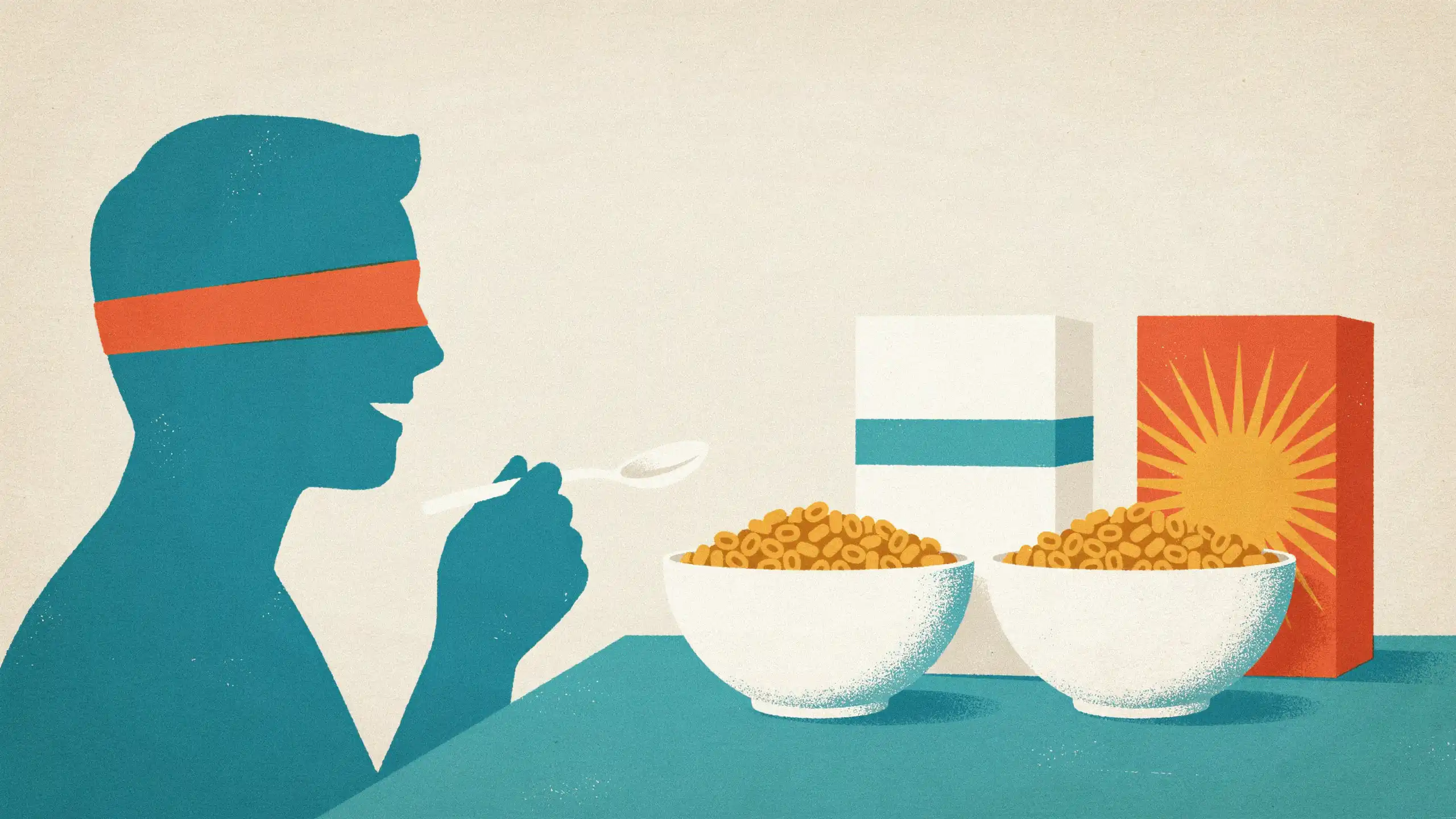

Make the store brand your default on groceries. Across a typical cart it saves you a third or more over name brands, and on most staples it does the same job. Pay for the name only where you’ve tried both side by side and noticed a difference you care about.
That third comes from price audits done for the Private Label Manufacturers Association, the store-brand makers’ trade group, on about 100 typical grocery and household items. The real question is what the store brand gives up, and on most of the cart it’s nothing you’d notice.
Simple staples are the safest switch. Flour, sugar, salt, spices, canned vegetables, milk, and eggs do the same job under either label, and so do paper goods, foil, plastic wrap, and basic cleaners. The same goes for store-brand medicine, as long as its active ingredient and dose match the name brand’s.
Most foods made from a recipe measure up, too. When Consumer Reports blind-tested 70 store-brand versions of foods like ketchup, peanut butter, and cereal, 76% tasted as good as the name brand. The rest are where a name brand can be worth its higher price.
So buy the store brand by default, and pay for a name only after a cheap test. Get one package of each, try them side by side, and keep buying the name brand only where you notice a difference worth its price.
That test matters most for two kinds of buys. With cereal, coffee, snacks, and condiments, the question is whether you prefer a flavor or texture. With trash bags and dish detergent, performance varies, and a bag that splits or a soap you need more of costs more than it saves. Everything else goes in the cart as the store brand.
Compare by the unit price on the shelf tag, the cost per ounce or sheet, since package sizes often differ. A name brand on sale with a coupon can beat the store brand that week, so check the tag on each trip.
Say your staples, paper goods, and cleaners cost $100 a week at name-brand prices, and the store versions run a third less, in line with the audits. Switching them saves about $33 a week, or roughly $1,700 a year, while the name-brand coffee and cereal you’ve tested and prefer stay in your cart.

Subscribe and we'll send you 101 Essential Money Tips to get you started.
The 101 money moves that matter most, from the foundations to protecting what you’ve built.
Advertiser Disclosure: Many or all of the offers that appear on this site are from companies that compensate us, and some companies pay for sponsored content. That compensation may influence which products we cover and where and how they appear on a page, including the order in which they appear. We do not include every company or offer available in the marketplace.