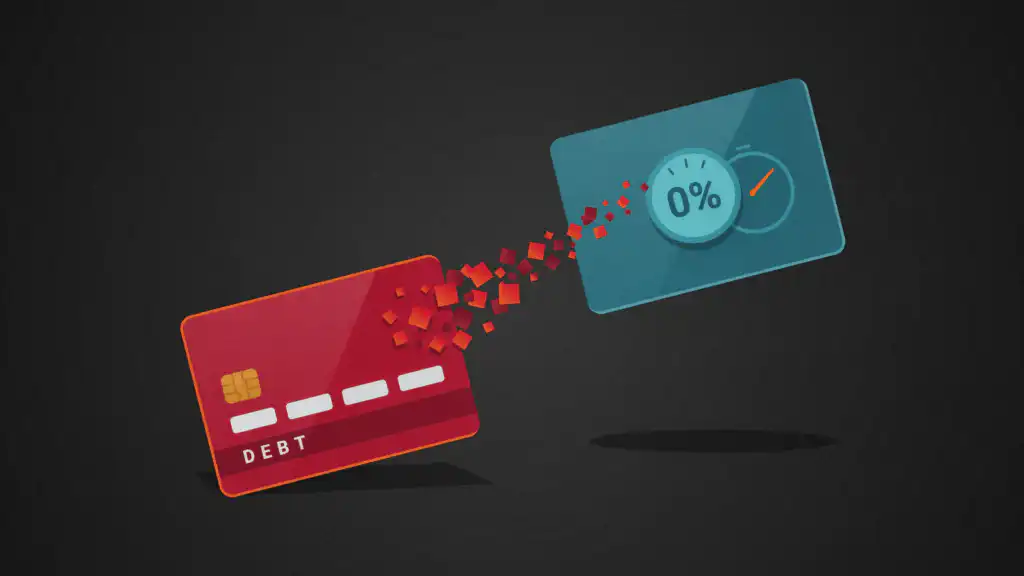

Your 0% balance transfer offer can pay off a car or personal loan if its terms cover balance transfer checks, a deposit to your checking account, or a payment straight to your lender. Move the loan when the fee costs less than the interest you’d otherwise pay and you can clear the new balance before the 0% ends.
A car or personal loan charges interest every month. A 0% transfer charges a one-time fee, usually 3% to 5% of what you move, and no interest until the promotion ends, typically 12 to 21 months later.
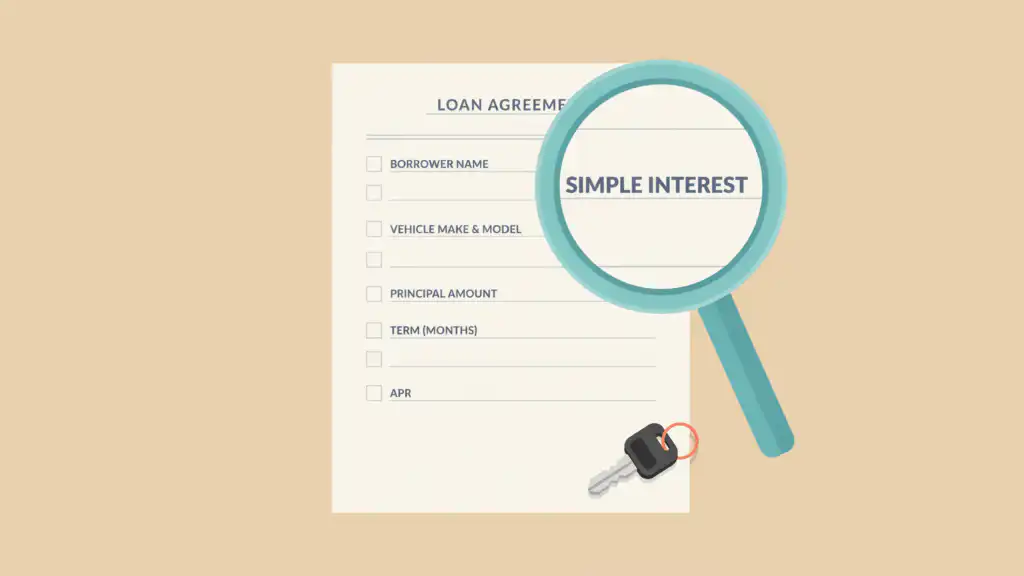
Say you owe the last $6,000 on a 9% car loan and pay $400 a month. Like most car loans, it charges interest on the remaining balance. Your offer is 18 months at 0% for a 3% fee. Keep paying the loan, and it charges about $390 in interest before it’s paid off in 16 months. Move it, and the $180 fee is added to the card balance, so $400 a month clears $6,180 in 16 months, two months before the 0% ends. You pay $180 instead of about $390, roughly $210 less.
First, confirm the offer covers a loan. Its 0% rate has to apply to balance transfer checks you write to the lender, a deposit into your checking account, or a payment the issuer sends the lender directly. Issuers also won’t pay off a loan from their own bank.
Next, get the lender’s payoff amount, which includes interest through the day the money arrives. Add the fee, divide by the months left at 0%, and set autopay for at least that amount, $344 in the example. Keep paying the loan until it shows as paid off, since a transfer can take three weeks.
The move raises your credit utilization, the share of your card limits in use, which can lower your score. A payment more than 60 days late lets the issuer end the 0% rate, and any balance left when the promotion ends starts accruing interest at the card’s regular rate, often above 20%. Keep new purchases off the card, too, as with any balance transfer.
A higher fee can wipe out the savings. With a 5% fee, the same move saves only about $90, and on a 6% loan, the $300 fee costs more than the roughly $250 in interest it would replace. If the fee is the bigger number, keep paying the lender.

Editorial & Advertiser Disclosure: The editorial content on this page is not provided, commissioned, reviewed, approved, or otherwise endorsed by any advertiser. Opinions expressed here are ours alone, not those of any advertiser. The offers that appear on this site are from companies that compensate us. That compensation may influence which products we cover and where and how they appear on a page – including the order in which they appear – but it does not influence our evaluations, ratings, or opinions. We do not include every company or offer available in the marketplace.
Related: