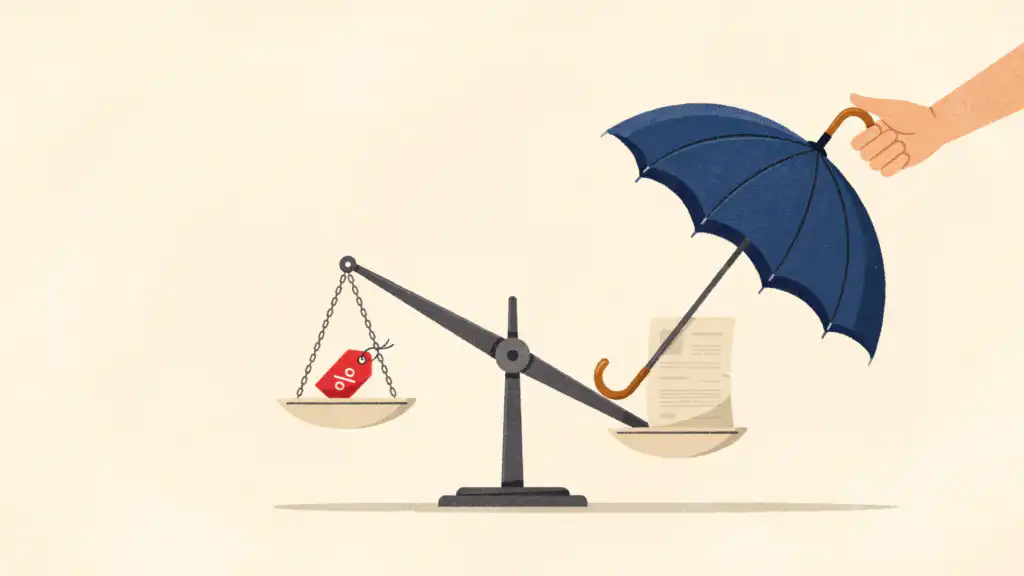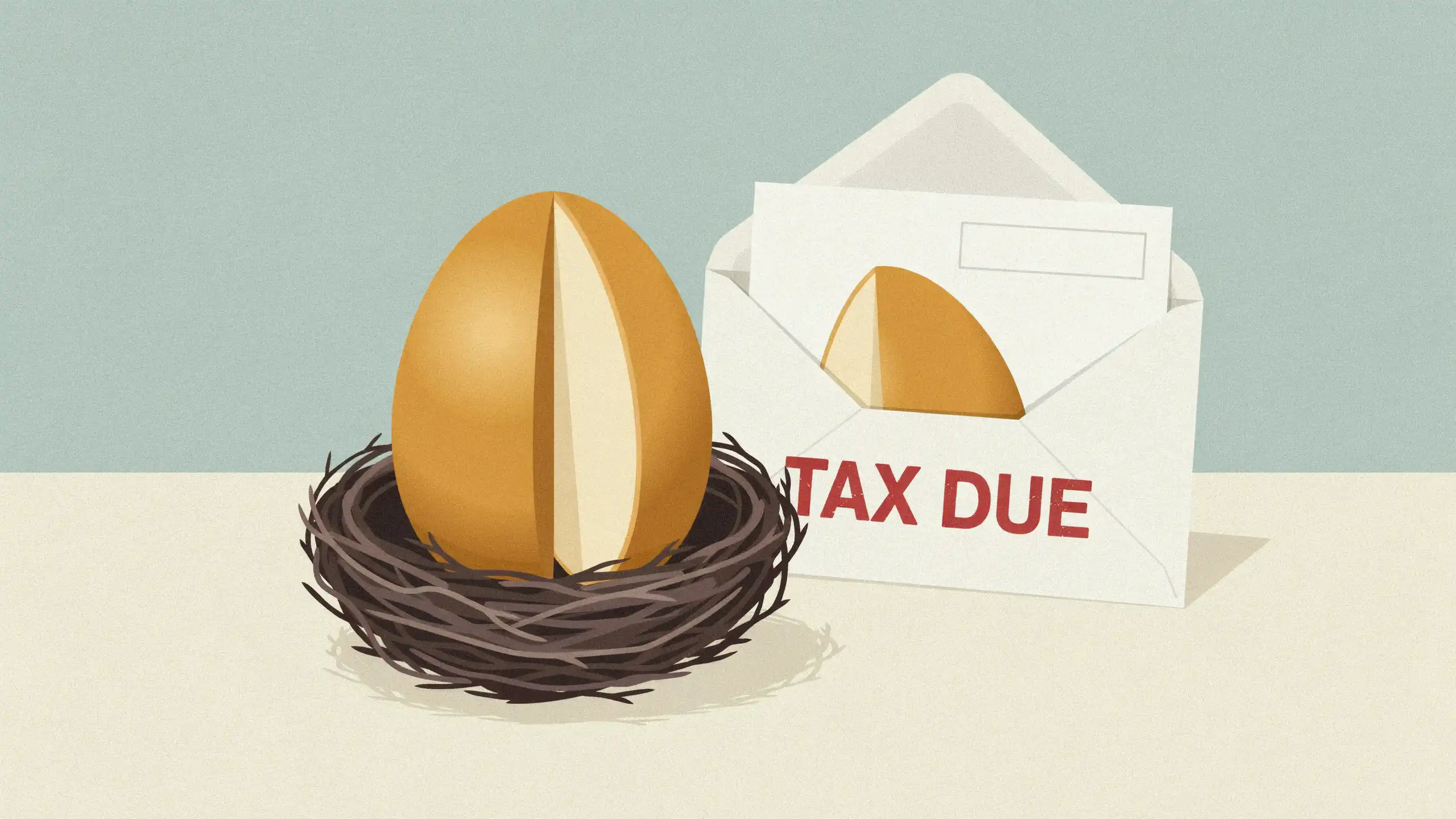

A 401(k) loan’s interest goes back into your own account, so the rate looks harmless. The real costs are the market gains the borrowed money misses and the tax bill if you leave your job before the loan is repaid. Before you borrow, try an emergency fund, a 0% balance transfer, or a credit union loan.
The loan is easy to get, which is part of the problem. Plans that offer one let you borrow up to half your vested balance, the part you’d keep if you left, capped at $50,000. There’s no credit check, and the payments come straight out of your paycheck.
But the borrowed money stops being invested. It earns only the interest you pay yourself, so it misses any rally. The payments also shrink your take-home pay, and if you cut contributions below your employer’s match to cover them, you lose the match too.
The bigger risk is your job. Leave or get laid off, and most plans call the loan due. Whatever you can’t repay comes out of your account and is taxed as income, plus a 10% penalty if you leave before the year you turn 55. To avoid that, you’d have to deposit the same amount into an IRA by your tax filing deadline, extensions included.
Say you borrow $15,000 at 8% over five years, just before stocks rise 20%. Even counting the interest you pay yourself, your account ends the year about $1,600 behind. Then a layoff hits with roughly $12,500 still owed. In the 22% bracket, that’s $4,000 in federal tax and penalty, unless you can find $12,500 in cash within months of losing your paycheck.
Work through cheaper options first:
- An emergency fund, even a partial one, for repairs and medical bills
- A 0% balance transfer card for card debt you can clear before the intro rate ends
- A credit union loan for a car or another big expense
A plan loan makes sense only when the cheaper options are out of reach, your job is secure, and you can repay within a year or two without cutting contributions. It does beat a hardship withdrawal, which is taxed right away and can never be put back.
Before you sign, read your plan’s loan rules for what happens if you leave, and keep contributing enough to get the full match.

Editorial & Advertiser Disclosure: The editorial content on this page is not provided, commissioned, reviewed, approved, or otherwise endorsed by any advertiser. Opinions expressed here are ours alone, not those of any advertiser. The offers that appear on this site are from companies that compensate us. That compensation may influence which products we cover and where and how they appear on a page – including the order in which they appear – but it does not influence our evaluations, ratings, or opinions. We do not include every company or offer available in the marketplace.
Related: