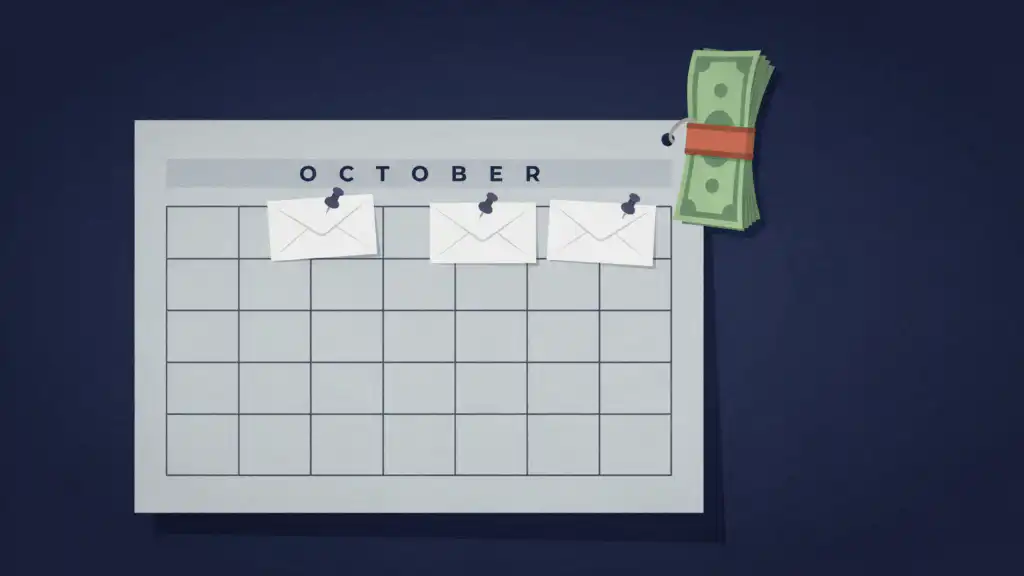
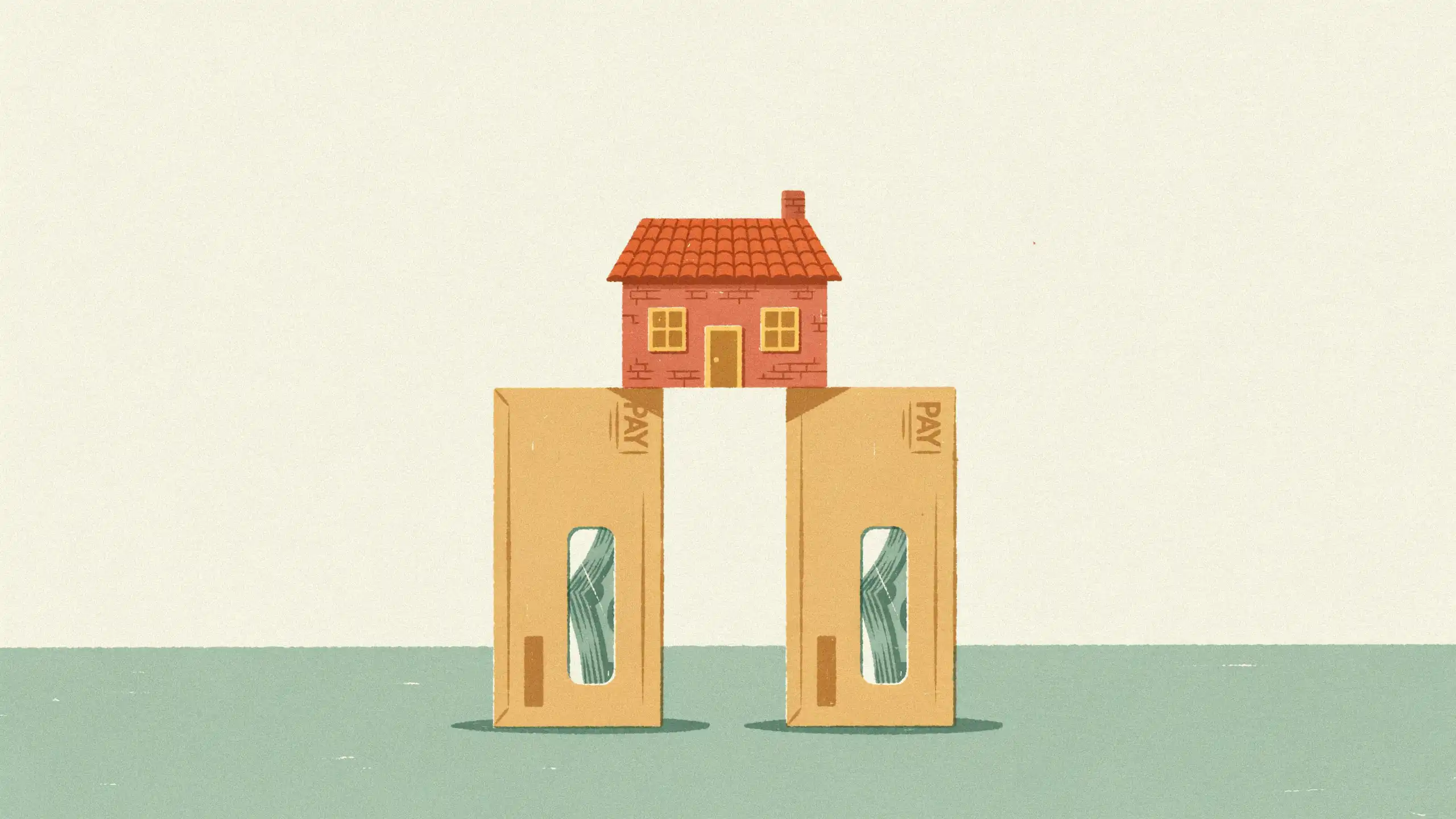

If you’re paid weekly or every other week, a monthly budget can balance on paper and still leave you short the week rent is due. Budget by paycheck instead. Put every payday and due date on one calendar, then assign each bill to the check that arrives before it’s due.
Say you take home $1,600 every other Friday and your $1,200 rent is due on the 1st. The month’s two checks bring in $3,200, but if the rent comes out of the check that lands just before the 1st, that check has $400 left for two weeks of groceries, gas, and other bills.
Budgeting by paycheck gives every bill, savings transfer, and spending allowance a specific payday, so each pay period has its own plan and its own leftover. In the example, setting aside $600 from each of the two checks before the 1st covers the rent and leaves each check $1,000.
Start with one calendar, on paper or in an app, that holds every payday and due date for the next three months. Include annual and quarterly bills, and divide each by the number of checks left before it’s due. A $720 car insurance bill due 12 checks from now takes $60 from each.
Then spread any bill too big for one check, like the rent, across the checks before it. Give savings transfers a payday too, and split groceries, gas, and fun money evenly across checks. When one check still carries too much, move a due date to the other half of the month. If your pay changes from check to check, start from a budget built on your worst month.
Plan each month’s bills on two checks, or four if you’re paid weekly. In most years, getting paid every two weeks means 26 checks, so two months bring a third, and weekly pay means 52, so four months bring a fifth. That extra check carries none of the monthly bills, so what it would have set aside for them, like the $600 for rent, is left over. Move it to savings, put it toward debt, or use it to get a month ahead on your bills.
Fill in the calendar before your next payday, and start with your biggest bill, usually rent or the mortgage.
Compare the best budgeting apps to keep the plan on your phone instead of on paper.

Subscribe and we'll send you 101 Essential Money Tips to get you started.
The 101 money moves that matter most, from the foundations to protecting what you’ve built.
Advertiser Disclosure: Many or all of the offers that appear on this site are from companies that compensate us, and some companies pay for sponsored content. That compensation may influence which products we cover and where and how they appear on a page, including the order in which they appear. We do not include every company or offer available in the marketplace.