The credit card and banking offers that appear on this site are from credit card companies and banks from which MoneyCrashers.com receives compensation when a customer clicks on a link, when an application is approved, or when an account is opened. This compensation may impact how and where products appear on this site, including, for example, the order in which they appear on category pages.
MoneyCrashers.com does not include all banks, credit card companies or all available credit card offers, although best efforts are made to include a comprehensive list of offers regardless of compensation. Advertiser partners include American Express, Chase, U.S. Bank, and Barclaycard, among others.
One surprise car repair or medical bill can undo months of progress if you have nothing set aside. Before investing or attacking debt, save a starter emergency fund of one month of expenses. Grow it to three to six months as the rest of your financial order falls into place.
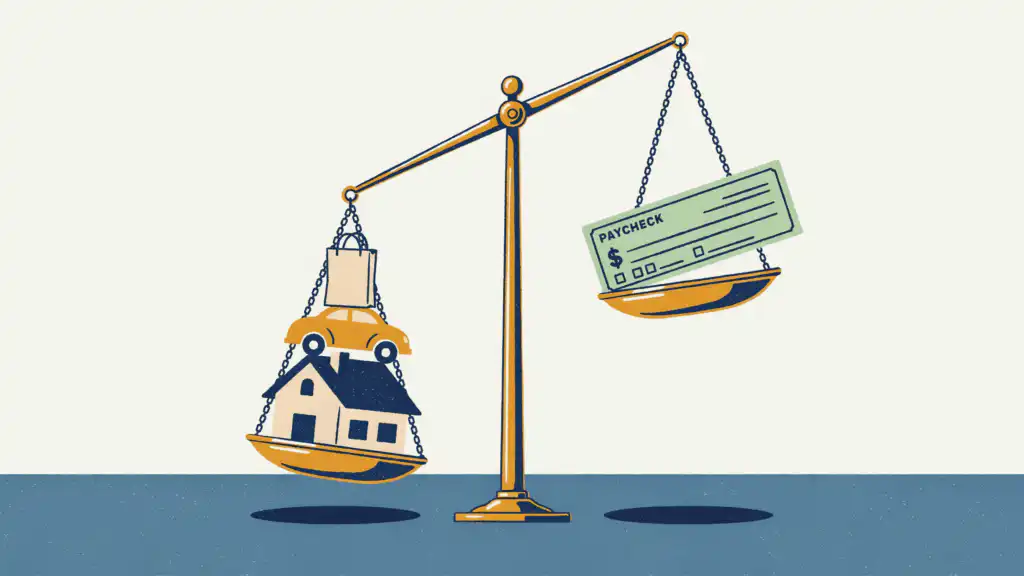
Cutting a daily coffee habit saves roughly a thousand dollars a year, while refinancing your mortgage, moving to a cheaper apartment, or dropping an expensive car payment can save tens of thousands. Get the big fixed costs under control first: housing, transportation, and insurance. The small stuff takes care of itself once the major levers are set.
Set aside 15-20 minutes once a week to review your accounts, check spending against your budget, and flag anything unusual. It doesn’t need to be a deep audit, just enough to stay aware. That short look catches billing errors early, heads off overdrafts, and keeps spending decisions conscious instead of automatic.
Most budgets fail because they’re built on assumptions rather than actual spending data. Track every transaction for one full month first and you’ll almost certainly find categories where you’re spending two or three times what you guessed. Build your budget from that reality, not from what you think you spend.
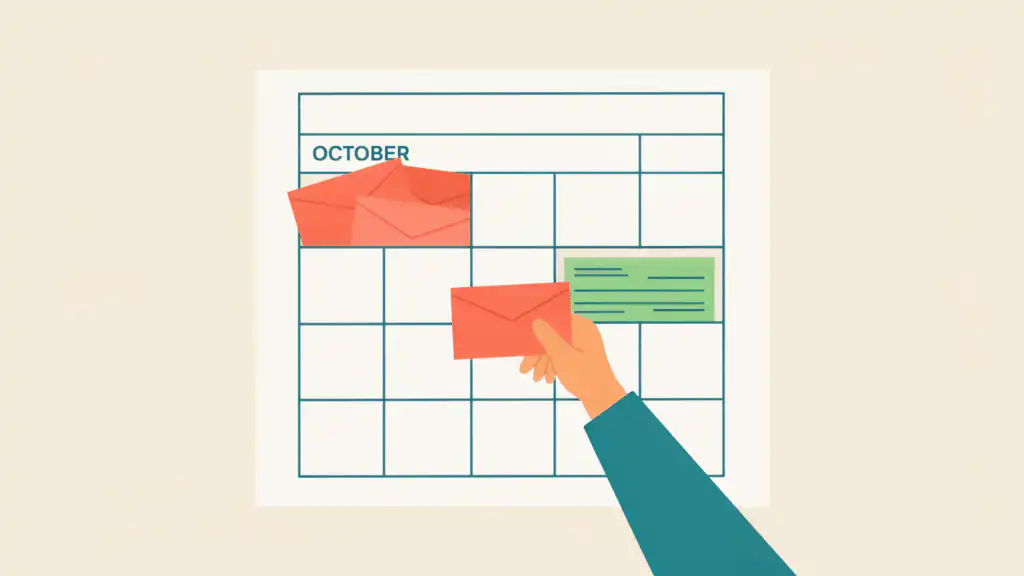
A sinking fund is a dedicated savings account where you set aside a small amount each month for expenses you know are coming: car registration, annual insurance premiums, holiday gifts, home repairs. Divide the total annual cost by 12 and transfer that amount monthly. Nothing is actually a surprise expense if you planned for it.
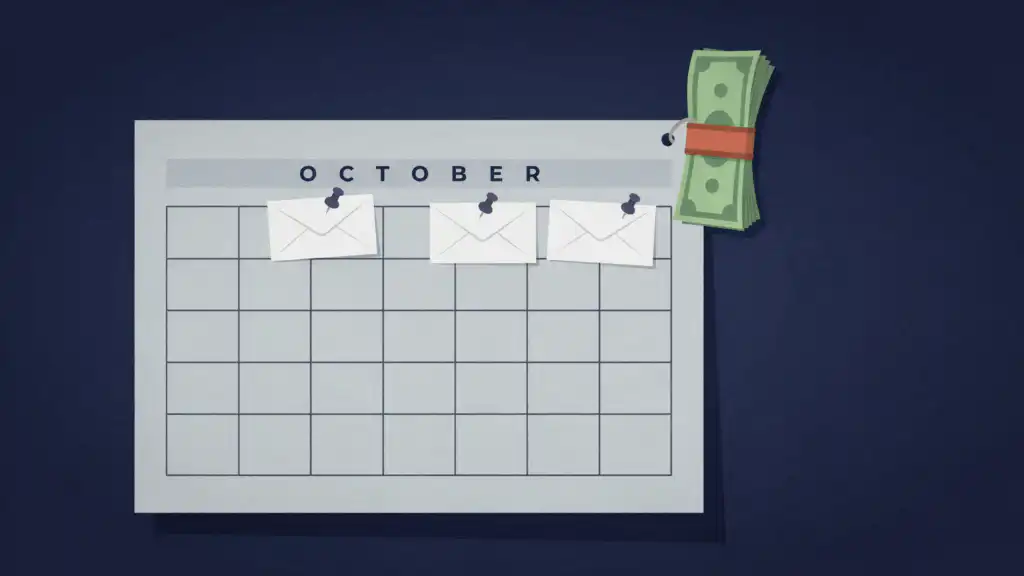
Set up automatic transfers for savings, automatic payments for bills, and automatic contributions to retirement accounts. When the right financial behaviors happen without requiring a decision, you stop depending on willpower, which reliably runs out. Automation turns good intentions into guaranteed outcomes.
In your first decade of building wealth, the percentage of income you save drives your net worth far more than the returns you earn. A 15% savings rate with average returns beats a 5% rate with brilliant returns. Push your savings rate up first and worry about optimizing investments later.
Zero-based budgeting means allocating every dollar of your income to a specific category until you reach zero. You’re not spending it all. You’re assigning it all, and savings, investments, and debt payments are categories just like rent and groceries. Give every dollar a destination before the month starts and money stops disappearing without explanation.
Most people make financial decisions randomly. They invest here, pay debt there, and save whatever is left. Maximize your position by following a set order: small emergency buffer, full employer 401k match, high-interest debt, full emergency fund, IRA, then invest the rest. Work the steps in sequence and every dollar lands where it does the most.
Income, spending, and savings rate all matter, but net worth is the single number that shows whether you’re building financial security over time. It’s simply assets minus liabilities, and free personal finance dashboards connect to all your accounts and calculate it automatically. If it’s growing quarter over quarter, your financial life is working even when individual months feel messy.
End of content
End of content
Make & Save More Money, Spend Less Time
One money tip, every morning
Join 50,000+ readers. Actionable, free, no nonsense – just the tip.