
The lower price per ounce on a bulk pack saves you money only on the part your household uses before it goes bad. Cooking oil and nuts turn rancid, spices go stale, and sunscreen and medicine expire, so buy those in a size you’ll finish in time, or split the big pack with a friend.
The unit price on a shelf tag assumes you’ll use every ounce in the package. The tag doesn’t account for oil that turns rancid at the bottom of the tin or sunscreen that expires in the closet.
Say a 3-liter tin of extra virgin olive oil costs $30 and a 1-liter bottle of the same oil costs $15, and the last half of the tin goes rancid before you reach it. You paid $30 for the 1.5 liters you used, or $20 a liter, against $15 a liter for bottles you finish.
That tin was a third cheaper per liter, so it stopped saving money once more than a third of it went to waste. Any bulk buy works the same way. A pack that’s 20% cheaper per ounce stops saving money once more than a fifth of it gets thrown out.
Every one of the 12 buys below can go bad before a household finishes the warehouse club size, and each comes with a smaller size to buy or a way to make it last. Storage times for food come from the USDA’s FoodKeeper app unless an item names another source, and the app lists how long hundreds of other foods keep in the pantry, fridge, and freezer.
In the pantry
- Olive and vegetable oils keep three to five months once opened and six to 12 months sealed. Buy bottles you’ll empty within three months of opening, not one big tin, and keep any spares sealed.
- Whole wheat flour keeps only three to six months on the shelf because the oil in its germ turns rancid. Buy a 5-pound bag, or keep a bigger one in the fridge for six to eight months.
- Brown rice keeps about six months, USA Rice says, since the oil in its bran goes rancid, while white rice keeps almost indefinitely. Buy white rice by the sack, and freeze brown rice you won’t cook within six months.
- Shelled nuts such as walnuts, pecans, and cashews keep two to four weeks in the pantry, since their oil turns rancid, but a year or more in the freezer. Freeze most of a club-size bag the day you buy it.
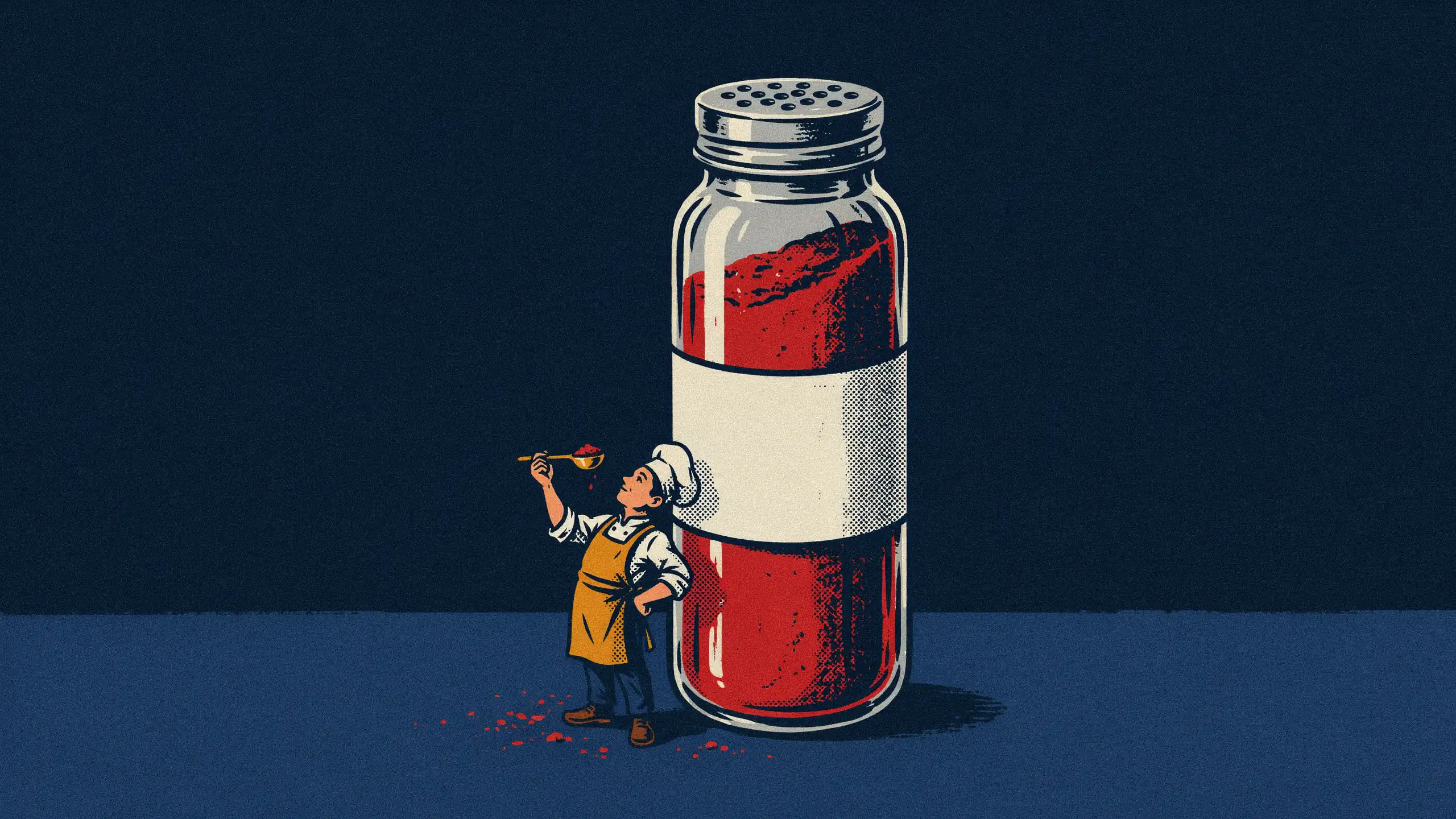
- Ground spices lose flavor after two to three years, and a club-size jar used a pinch at a time can take longer than that to empty. Buy the big jar only for a spice you use every week.
In the fridge & produce aisle
- Strawberries, raspberries, and spinach keep only days in the fridge, two to three for the berries and three to seven for spinach. Buy the club-size clamshell for a crowd, and freeze any berries you won’t eat in time.
- Mayonnaise keeps two months in the fridge once opened, and creamy salad dressing three to four weeks. Buy two regular jars rather than one jumbo jar, since a sealed jar keeps three to six months on the shelf.
- Yogurt keeps one to two weeks and shredded cheese about a month. Buy a week’s yogurt, and freeze shredded cheese you won’t use that month, since it keeps three to four months frozen.
In the medicine cabinet & laundry room
- Sunscreen without an expiration date counts as expired three years after you buy it, the FDA says, and a bottle with a date is good until that date. Buy a multipack only if your household will finish it in time.
- Vitamins lose strength in humid air, and Purdue University researchers found a bathroom’s humidity can break down vitamin C even in a closed bottle. Buy a count you’ll finish before the bottle’s date, and keep it in a dry closet.
- Over-the-counter medicine past its expiration date can be weaker or chemically changed, and the FDA says not to take it. Buy the club-size bottle only if your household will empty it before the date stamped on it.
- Liquid bleach keeps about a year from the day it’s made, opened or not, and then soon gets too weak to disinfect, Clorox says. Buy one jug at a time, and check the production date stamped on its neck.
Split what you won’t finish
A multipack or a big tin can still pay off if you split it with a friend or neighbor. Pay half each and divide it the day you buy it, so each household takes home only what it will use up in time.

Subscribe and we'll send you 101 Essential Money Tips to get you started.
The 101 money moves that matter most, from the foundations to protecting what you’ve built.
Advertiser Disclosure: Many or all of the offers that appear on this site are from companies that compensate us, and some companies pay for sponsored content. That compensation may influence which products we cover and where and how they appear on a page, including the order in which they appear. We do not include every company or offer available in the marketplace.