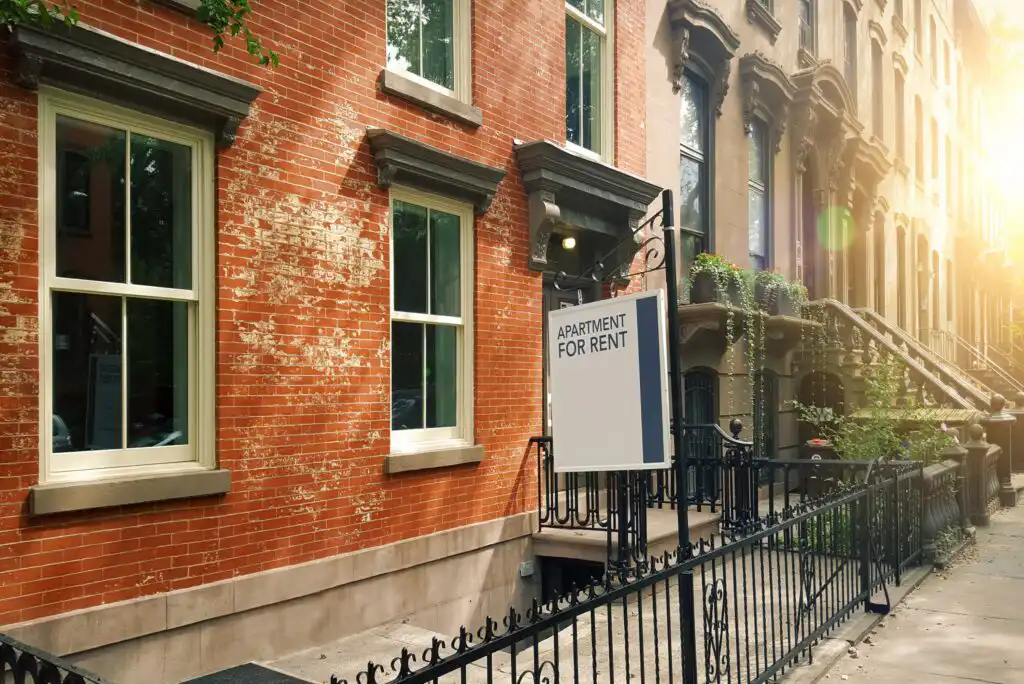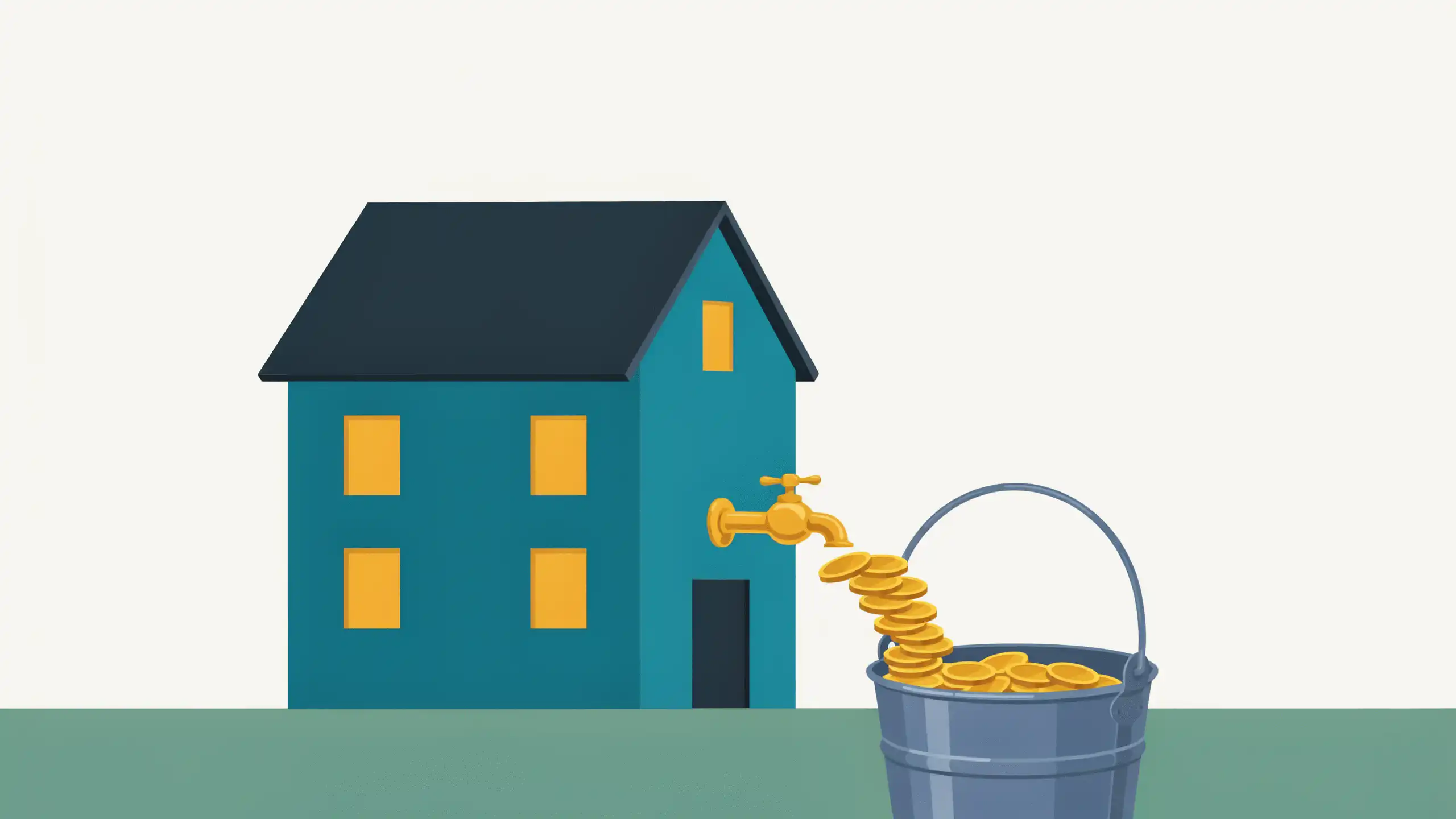

A rental that loses money each month is a bet that home prices will rise, and when they stall or fall, you keep covering the shortfall or sell at a loss. Buy one whose rent covers every cost, from the mortgage to repairs and vacancies, and treat any rise in value as extra.
Picture an investor who bought a condo in 2006 expecting price gains of 10% a year to make up for rent that fell $1,000 a month short of its costs. By 2011 the condo was worth 30% less, and the investor sold at a loss after paying $60,000 to cover five years of shortfalls.
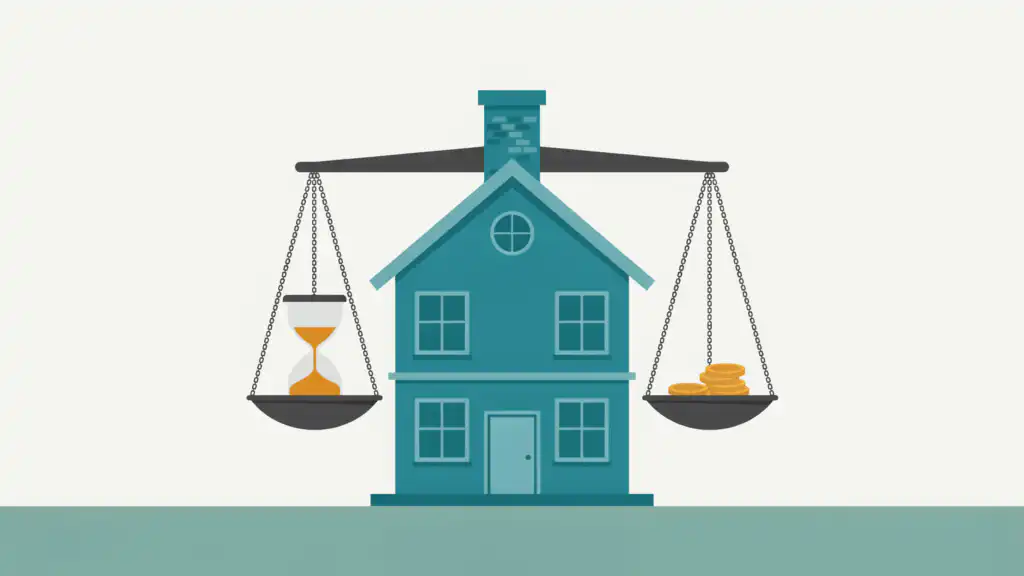
A rental with negative cash flow, meaning rent that falls short of its costs, pays off only if prices climb fast enough to cover the shortfall. Every repair and every vacancy adds to the shortfall, and borrowing makes a price drop worse. With 20% down, a 20% fall in price wipes out your whole down payment, because the loan doesn’t shrink when the price does.
The Federal Housing Finance Agency’s national index of home prices fell nearly 20% from its April 2007 peak by March 2011. In Austin, Texas, home prices jumped nearly 60% from 2020 to 2022, then the median price fell 22% from its pandemic peak by mid-2025, the Texas Real Estate Research Center found. Over the long run, most of what houses earned came from rent. In a typical year from 1890 to 2006, a house returned about 9% after inflation, with 7.7% from rent, before expenses, and only 1.3% from rising prices, a Federal Reserve Bank of Philadelphia working paper found.
So buy only a property whose rent covers the mortgage, taxes, insurance, and a budget for repairs and vacancies. In an expensive market, that may mean buying in a city where rent still covers a mortgage. Run the full numbers before you make an offer. If the rent falls short, put more down to shrink the payment, or wait for a property that pays its own way.
Count the loan balance you pay down each month, and any rise in value, as your long-run gain, not as money toward the monthly costs.
You can hold a rental that covers its own costs through a slump, because the rent, not your paycheck, keeps paying the loan.


Subscribe and we'll send you 101 Essential Money Tips to get you started.
The 101 money moves that matter most, from the foundations to protecting what you’ve built.
Advertiser Disclosure: Many or all of the offers that appear on this site are from companies that compensate us, and some companies pay for sponsored content. That compensation may influence which products we cover and where and how they appear on a page, including the order in which they appear. We do not include every company or offer available in the marketplace.