
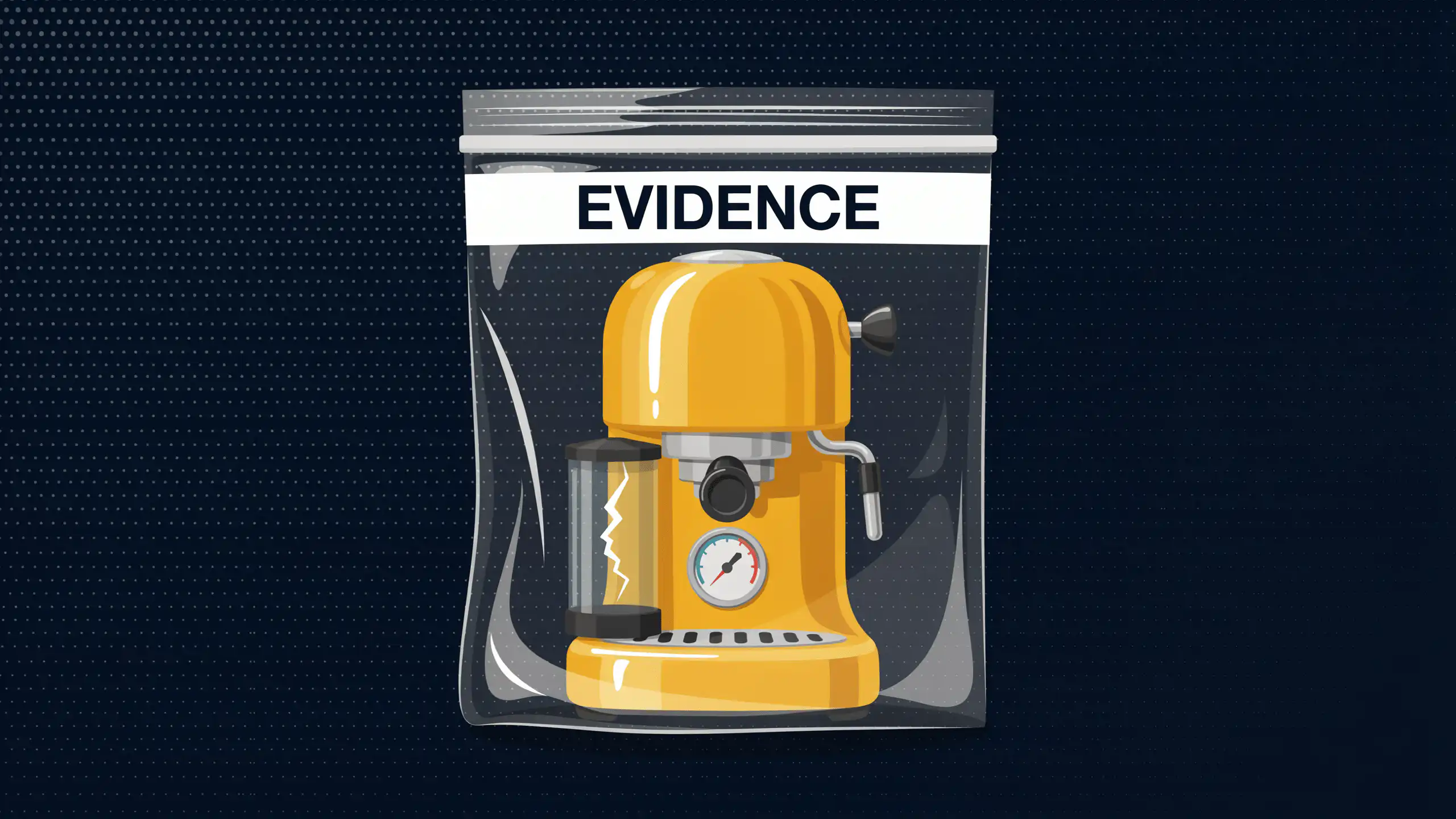

A credit card chargeback reverses a disputed charge, but the temporary credit your card issuer usually posts isn’t final. The merchant can answer with its own evidence, and the rules of your card’s network, such as Visa or Mastercard, decide who wins. Before you file, gather the receipt, the merchant’s policy, your messages, and photos of the problem.
Your $640 espresso machine arrives with a cracked water tank, and the merchant refuses a refund because you opened the box. You dispute the charge, and your issuer takes the $640 off your balance while it investigates.
The issuer sends the dispute through the card network to the merchant’s bank, and the merchant gets a deadline to respond. For a damaged item, Visa’s guide for merchants tells them to send an invoice showing the item was as described, or to say you never tried to return it. If the issuer finds the merchant’s case stronger than yours, the credit comes off and the $640 goes back on your bill.
The same guide tells merchants their return policy doesn’t matter in a dispute over damaged goods. So on a Visa card, the merchant can’t win your dispute just by citing its rule about opened boxes. Policies do matter when you canceled an order or service, since the merchant can argue you didn’t follow its cancellation terms.
Take these steps in order.
- Ask the merchant in writing to take the machine back or replace it. Proof that you asked can help even if the merchant never answers.
- Screenshot the listing and any cancellation terms as they read when you bought.
- Collect the receipt, your emails and chat logs, delivery and return tracking, and dated photos of the damage.
- File with your issuer as a dispute, not a fraud claim, since you made the purchase.
- Answer each request for more evidence by its due date. Capital One warns that a late answer can stop your claim.
Expect a decision in a few weeks to about three months.
Never dispute a purchase you made and only regret. The merchant’s proof that you placed the order will likely cost you the credit, and an issuer that sees you do it repeatedly can close your account.
Read your documents the way the issuer will, without your explanation to fill the gaps. If they show what you were promised, what you got, and that you tried to fix it, send them.

Editorial & Advertiser Disclosure: The editorial content on this page is not provided, commissioned, reviewed, approved, or otherwise endorsed by any advertiser. Opinions expressed here are ours alone, not those of any advertiser. The offers that appear on this site are from companies that compensate us. That compensation may influence which products we cover and where and how they appear on a page – including the order in which they appear – but it does not influence our evaluations, ratings, or opinions. We do not include every company or offer available in the marketplace.
Related: