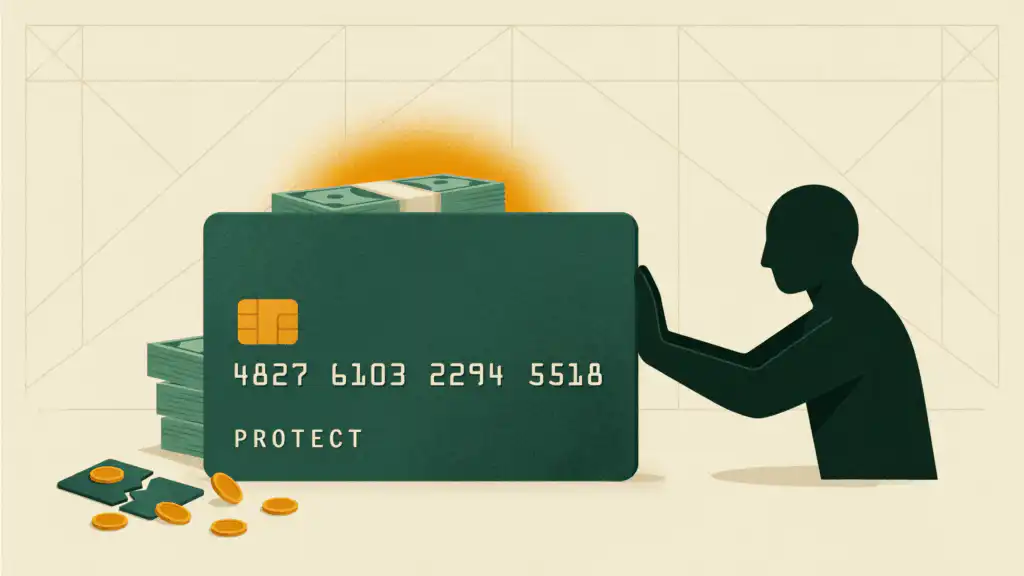

If your credit card statement shows a charge for something that never arrived, a purchase billed twice, or the wrong amount, federal law makes your card issuer investigate. Send a written dispute early enough to arrive within 60 days of the first statement showing the charge.
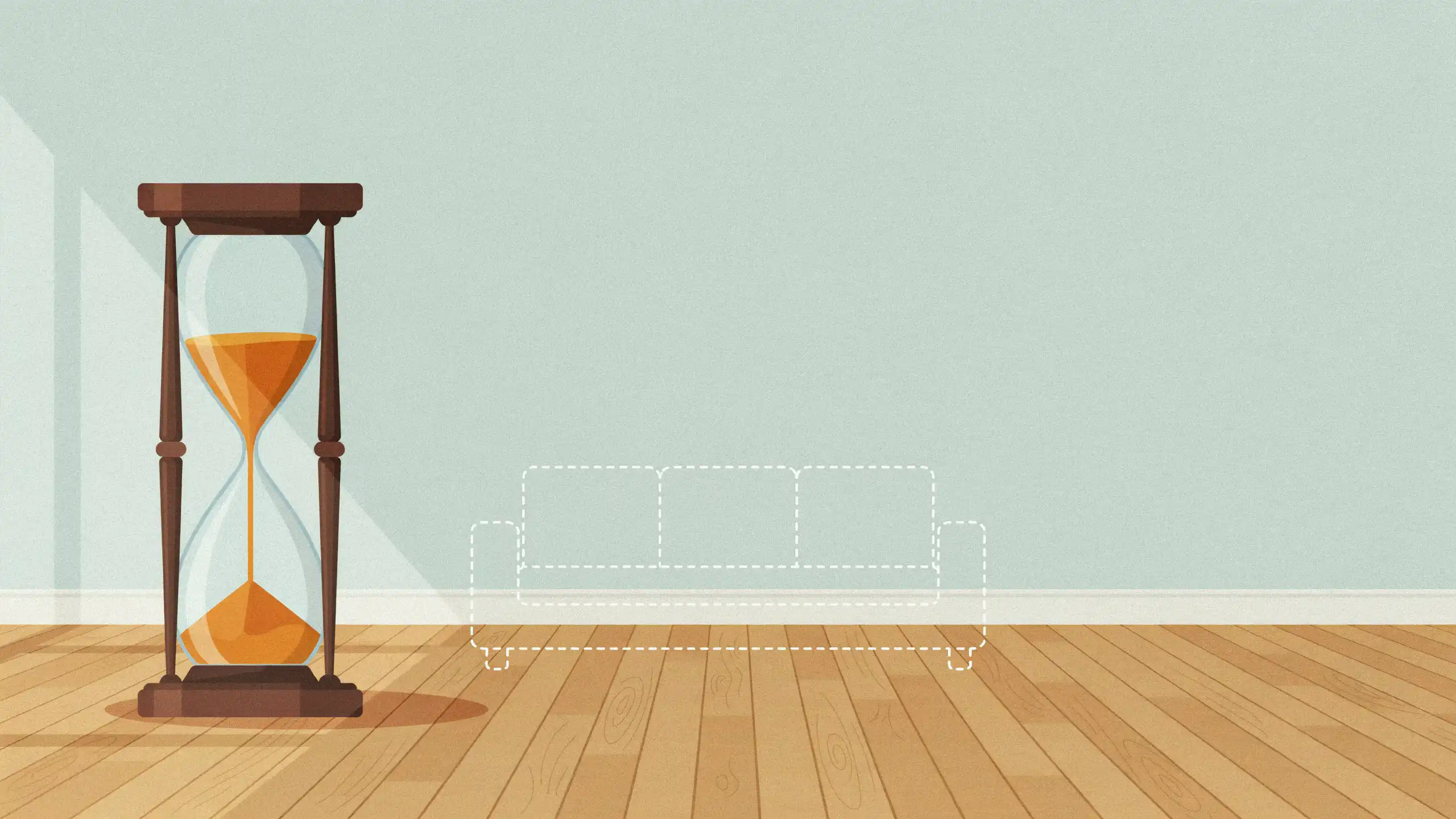
Say you put a $1,800 sofa on a credit card, with delivery promised in six weeks. The delivery date comes and goes, and the store stops returning calls.
By then, your 60-day clock has been running for weeks. It started when the statement listing the charge went out, not when the sofa failed to show.
The Fair Credit Billing Act doesn’t make you settle things with the store first. A promise of a new delivery date is no reason to let that clock run out.
Give the store one written chance to fix it, and save every receipt, email, and chat. If it stalls, go to your card issuer:
- Start the dispute online or by phone to get it moving.
- Mail a letter to the billing-error address on your statement, not the payment address, with your name, account number, the charge, and why it’s wrong. Unless the billing-rights section of your statement lists an online option, the law counts only the letter.
- Use certified mail with a return receipt, which proves when the letter arrived.
- Pay the rest of your bill, but you can hold back the disputed amount while the issuer investigates. You can still dispute a charge you already paid.
The issuer has 30 days to answer your letter in writing and two billing cycles, never more than 90 days, to resolve the dispute. While it investigates, it can’t report you as late for the amount you hold back. If the charge is an error, it comes off your bill along with any interest on it.
Debit cards don’t carry this right. Debit purchases fall under the Electronic Fund Transfer Act, which covers unauthorized and incorrect transfers but not a seller that never delivers, and the FTC warns you may not get that money back. When you pay now for something that arrives later, use a credit card you pay off in full.

Editorial & Advertiser Disclosure: The editorial content on this page is not provided, commissioned, reviewed, approved, or otherwise endorsed by any advertiser. Opinions expressed here are ours alone, not those of any advertiser. The offers that appear on this site are from companies that compensate us. That compensation may influence which products we cover and where and how they appear on a page – including the order in which they appear – but it does not influence our evaluations, ratings, or opinions. We do not include every company or offer available in the marketplace.
Related: