

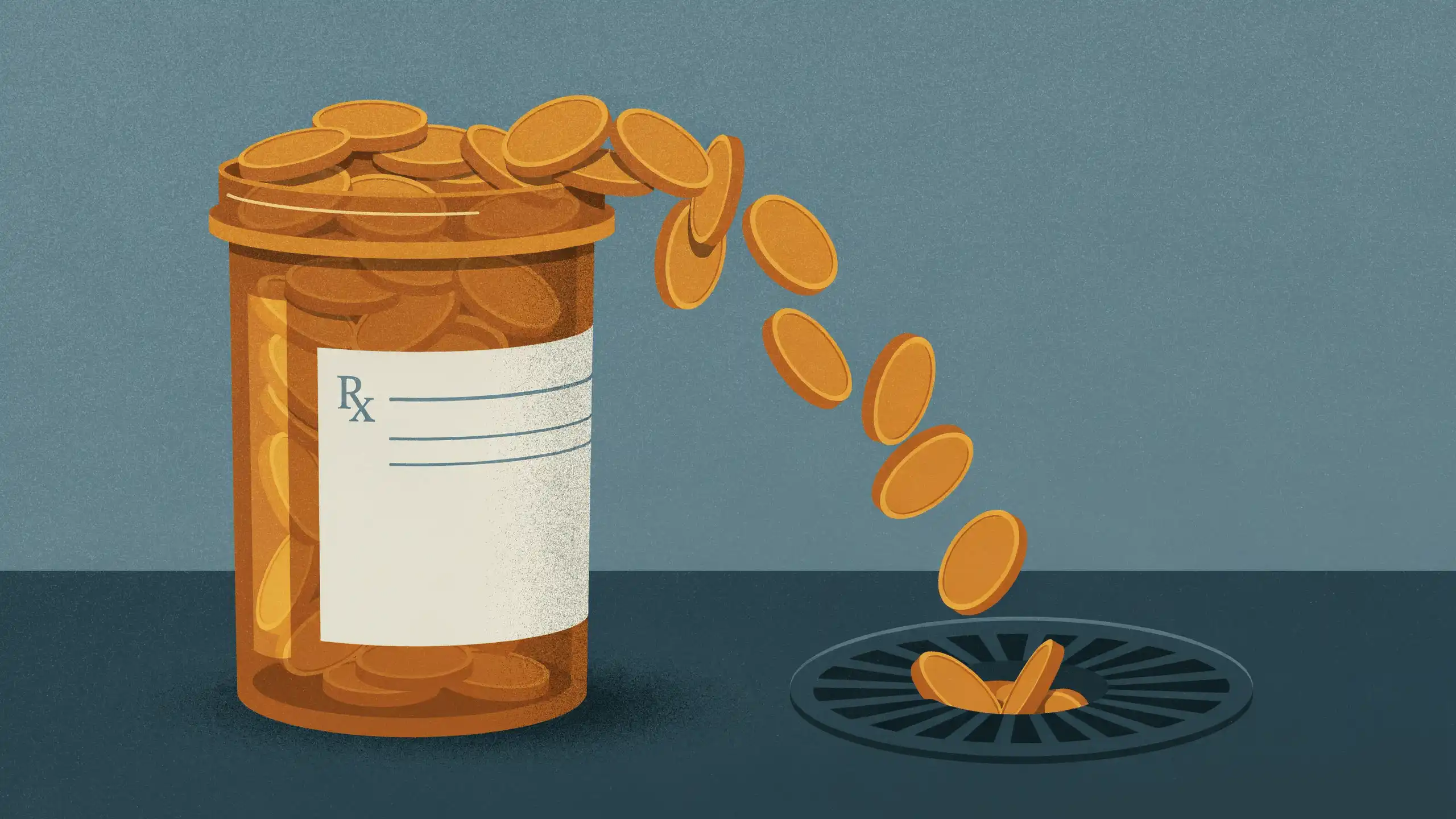

At open enrollment, base your health flexible spending account (FSA) contribution on last year’s costs that will repeat, like prescriptions, copays, glasses, and dental work. The money you put in skips federal income and payroll taxes, but what’s left at the plan’s deadline is lost, apart from any small carryover. Elect only what you’re sure to spend.
Whatever you elect holds for the whole plan year. You can change it only after a life event your plan recognizes, such as a marriage, birth, or adoption.
The full amount is available on the plan’s first day, before it has come out of your pay, so you can cover a big bill early in the plan year.
The catch is the deadline. Money you haven’t spent by the end of the plan year is lost. Your plan may add a grace period of up to two and a half months to spend it, or let a small amount carry over to the next year, but not both. So the right contribution is what you’re sure to spend, not the IRS’s yearly maximum, unless you’re certain to spend that much.
Start with last year’s out-of-pocket costs, which your insurer’s claims history and your pharmacy receipts show. Then count the costs you know you’ll have next year:
- Prescriptions you fill every month
- Copays for doctors you see regularly, such as a specialist
- Glasses or contacts you replace on a schedule
- Dental work your dentist has already recommended, such as a crown
- A procedure you’ve already scheduled
Leave out one-time bills, such as urgent care for a sprain. Say you’re in the 22% federal tax bracket, pay the standard 7.65% Social Security and Medicare tax, and those costs total $1,900. Electing $1,800 instead of $1,900 leaves a $100 cushion in case your costs drop and saves you $396 in federal income tax plus about $138 in Social Security and Medicare tax.
If you’ll have a health savings account, a regular health FSA would stop your contributions to it, but a limited-purpose FSA for dental and vision care works alongside one. Child care goes in a separate dependent care FSA.
Pull those records before your enrollment window closes, add up the costs you know are coming, and elect a little under the total. Near the end of the plan year, check your balance and spend what’s left before the deadline on care you’d buy anyway.

Editorial & Advertiser Disclosure: The editorial content on this page is not provided, commissioned, reviewed, approved, or otherwise endorsed by any advertiser. Opinions expressed here are ours alone, not those of any advertiser. The offers that appear on this site are from companies that compensate us. That compensation may influence which products we cover and where and how they appear on a page – including the order in which they appear – but it does not influence our evaluations, ratings, or opinions. We do not include every company or offer available in the marketplace.
Related: