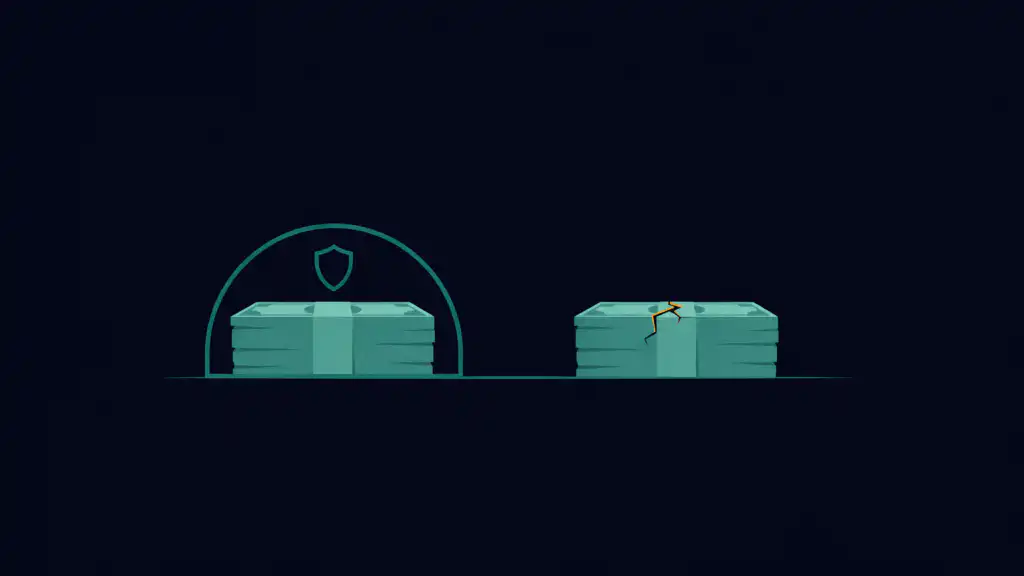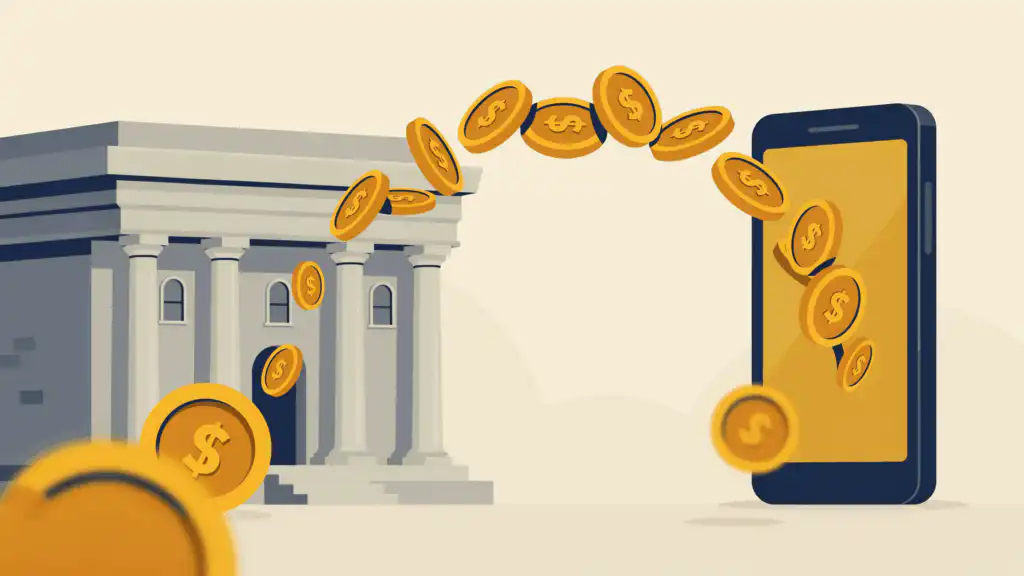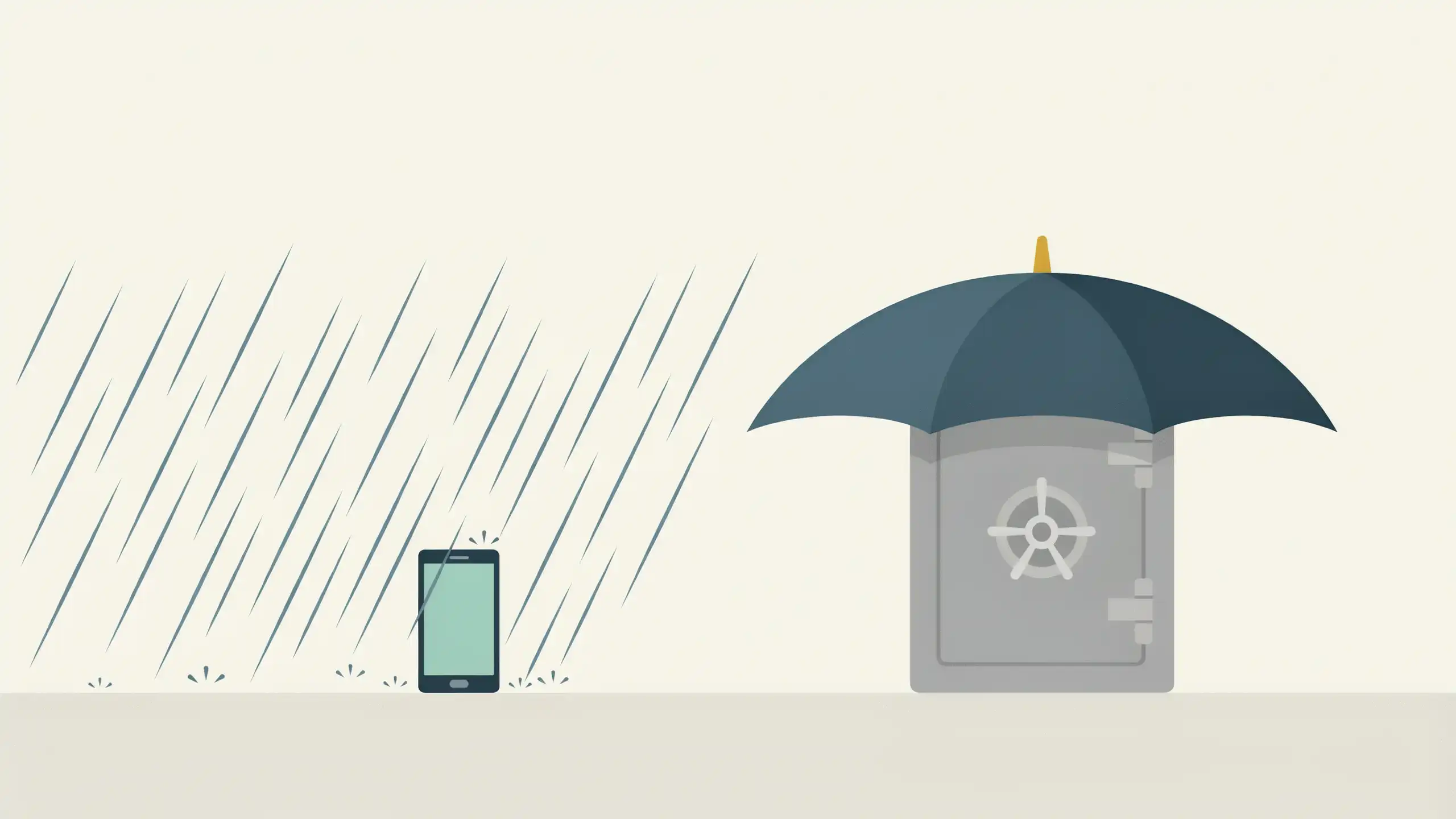

Many money apps aren’t banks, and FDIC insurance pays only when an insured bank fails. If the app or a middleman goes under, you could wait months for your money. Check which bank holds yours, and keep bill money and your emergency fund in an account you opened directly at an insured bank or credit union.
Users of apps built on Synapse learned why in 2024. Synapse connected money apps to their partner banks, and after it filed for bankruptcy that April, customers lost access to their money for weeks, some for months.
The banks later found they held $60 million to $90 million less than Synapse’s records said customers were owed, according to the Consumer Financial Protection Bureau. FDIC insurance covered none of it, because no bank failed. Insurance follows the bank, not the app.
When an app keeps your money at an insured bank, you can get pass-through coverage. That’s the FDIC’s term for insuring your share of the app’s pooled account as if it sat in your own name. It pays only if the bank fails, and only if the records show exactly what you own. When the app or a middleman fails instead, your money comes back through a bankruptcy case, slowly and sometimes not in full.
Start with the bank’s name. FDIC rules require an app that calls your money FDIC-insured to name the bank holding it. Look for that name in the app’s disclosures or account terms, then confirm the bank on the FDIC’s BankFind tool. If the app never claims FDIC coverage for your balance, treat that money as uninsured.
Then hold the money you can’t do without, your bill money and emergency fund, in an account under your own name. Open it yourself at an FDIC-insured bank, or at a credit union insured by the NCUA, the FDIC’s counterpart for credit unions. Use apps on top of that for convenience, like splitting a dinner bill.
The test for any balance is who pays you back if the company holding it disappears tomorrow. For money you’d need in a hurry, the answer should be the FDIC or the NCUA, not a bankruptcy court.

Editorial & Advertiser Disclosure: The editorial content on this page is not provided, commissioned, reviewed, approved, or otherwise endorsed by any advertiser. Opinions expressed here are ours alone, not those of any advertiser. The offers that appear on this site are from companies that compensate us. That compensation may influence which products we cover and where and how they appear on a page – including the order in which they appear – but it does not influence our evaluations, ratings, or opinions. We do not include every company or offer available in the marketplace.
Related: