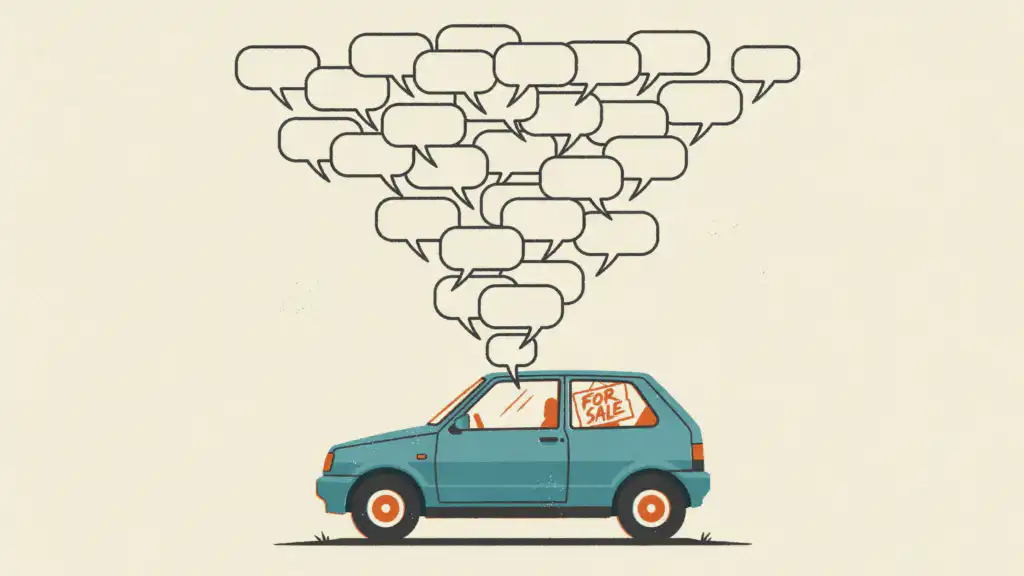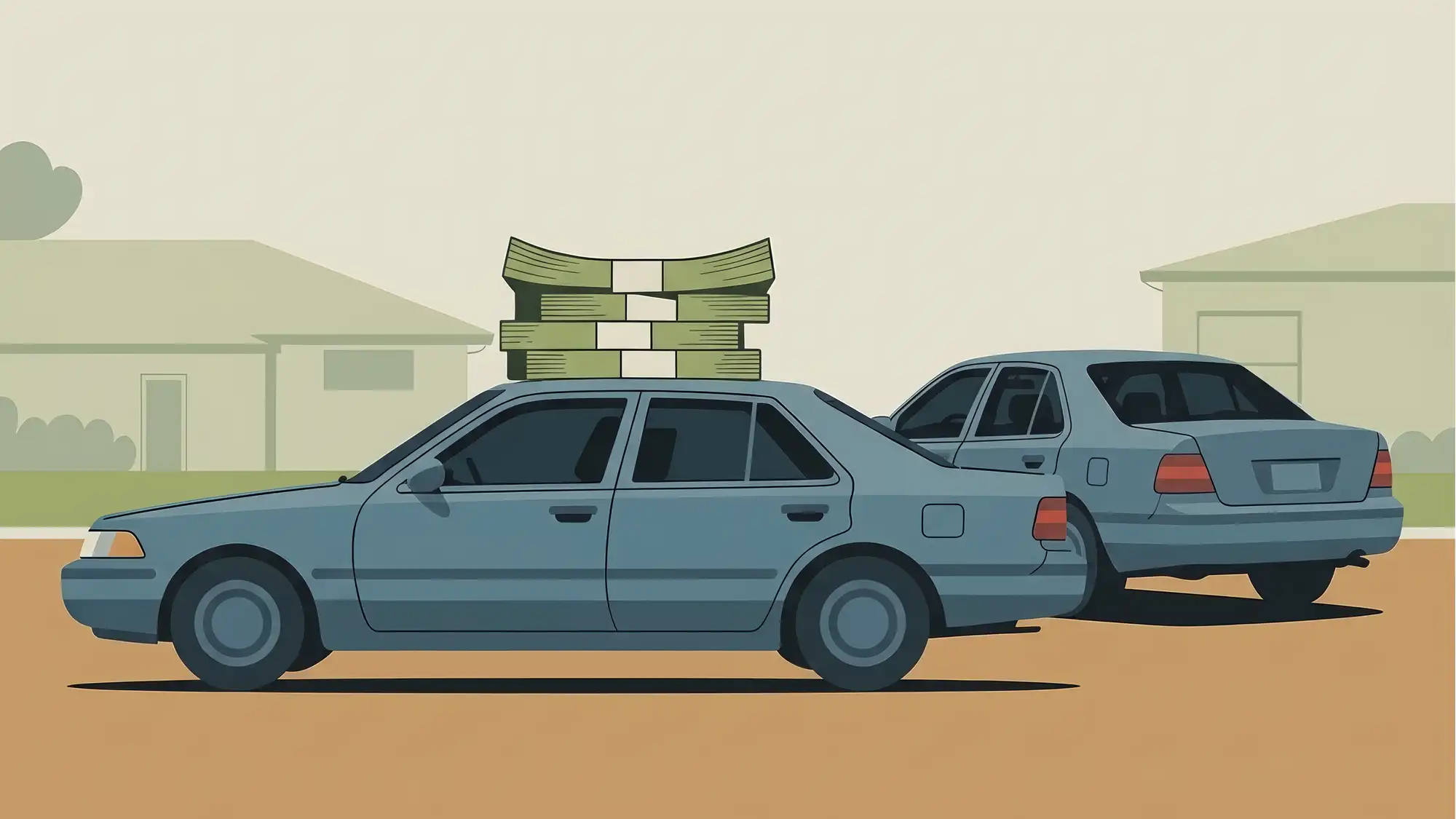

A second car that mostly runs errands can cost more than the rides it replaces. AAA’s 2026 figures put a new car’s depreciation, interest, insurance, and registration near $700 a month, driven or not. Log a month of second-car trips and price them in a rideshare app before you buy or keep one.
Most of what a car costs has nothing to do with how far it goes. That’s bad news for a second car that sits in the driveway most of the week.
AAA’s 2026 driving-cost study prices owning and driving a new car 15,000 miles a year at $12,863. Depreciation, the value the car loses, is the biggest line at $4,422. Add $1,184 in loan interest, $2,098 for insurance, and $802 for license, registration, and taxes. Those fixed costs, the ones you pay whether or not you drive, total $8,506, or about $709 a month by our math. Gas and maintenance add only about 29 cents a mile, and parking costs extra where you pay for it.
Rides cost less than that for light use. Gridwise, which tracks gig-app data, found the average Uber or Lyft trip cost $23.66 at the end of 2025. At four rides a week, enough for two errands there and back, that’s about $410 a month. Budget another $150 to $200 for surge pricing and last-minute trips. The rides still come in $100 to $150 a month under the new car’s fixed costs alone, before gas, maintenance, or parking. An older, paid-off car changes the result. With little value left to lose and no loan interest, selling it saves mostly insurance, registration, and upkeep. At AAA’s new-car rates, insurance and registration come to about $240 a month, so four rides a week, about $410 before any cushion, cost more than keeping it unless its gas and upkeep top $170 a month.
Run your own numbers before you buy, replace, or keep one. For 30 days, log every trip your household needs a second car for. Then price each trip in Uber or Lyft, which both show a price estimate before you book, and set the total beside the car’s real monthly cost: insurance, registration, loan interest, depreciation, gas, maintenance, and parking.
Divide the car’s monthly cost by $24, the average ride. If the second car makes fewer one-way trips than that, by a comfortable margin, the rides win.

Editorial & Advertiser Disclosure: The editorial content on this page is not provided, commissioned, reviewed, approved, or otherwise endorsed by any advertiser. Opinions expressed here are ours alone, not those of any advertiser. The offers that appear on this site are from companies that compensate us. That compensation may influence which products we cover and where and how they appear on a page – including the order in which they appear – but it does not influence our evaluations, ratings, or opinions. We do not include every company or offer available in the marketplace.
Related: