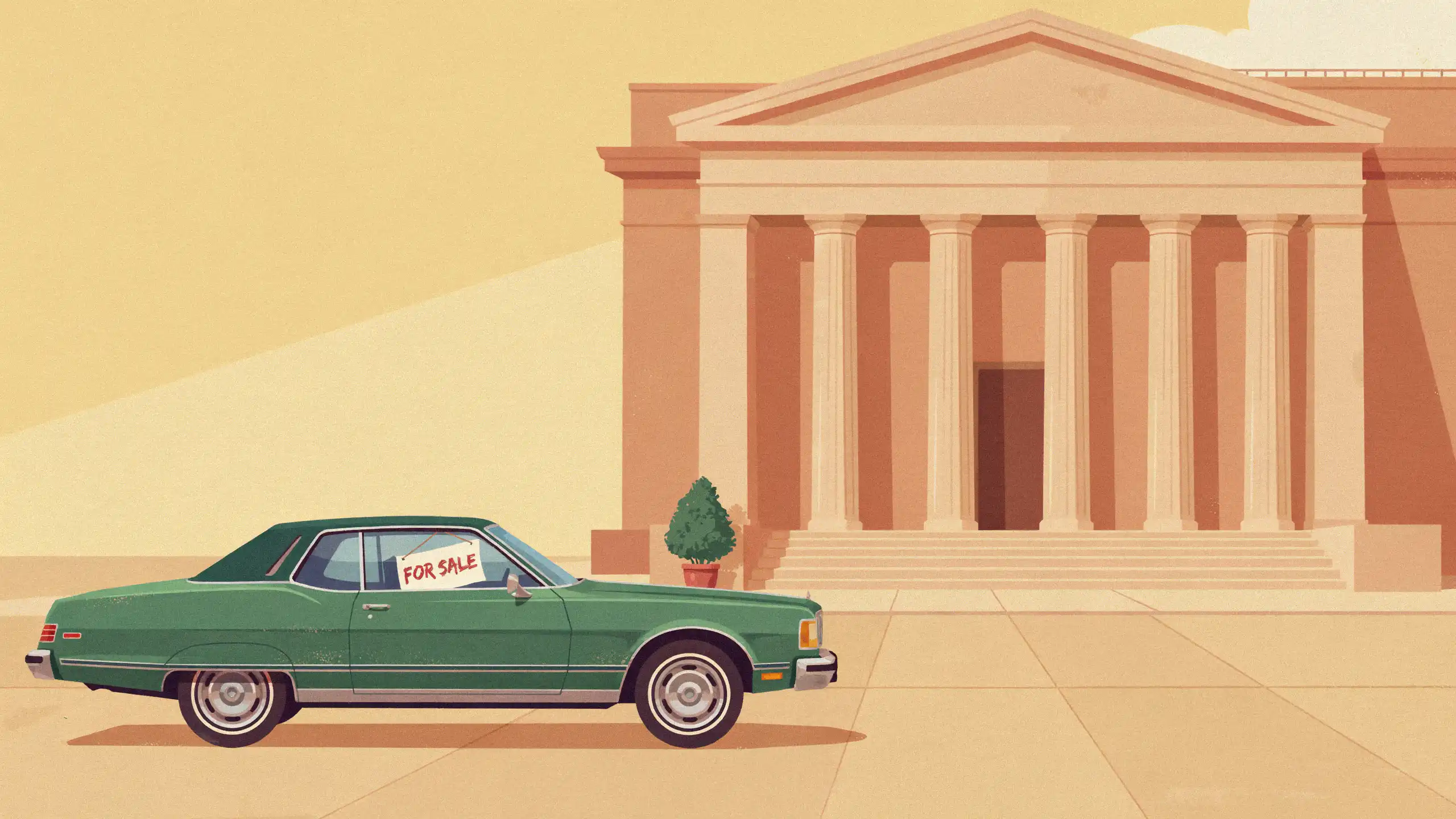

For a used car from a private seller, ask a credit union or your bank for a private-party auto loan. The car secures it, so it usually costs less than a personal loan, and the lender can pay off any loan the seller still owes. Save the personal loan for a car too old or cheap to qualify.
A seller you found on Facebook Marketplace or through a friend won’t arrange financing the way a dealer would. The loan is yours to line up, and the kind you choose changes the rate you pay.
An auto lender can charge less than a personal lender because the car is collateral, which it can repossess if you stop paying. Say you borrow $10,000 of a $14,000 price over five years, at 8% on an auto loan or 11% on a personal loan. The auto loan runs about $203 a month and the personal loan about $217, so the auto loan costs about $880 less in total.
Before you shop, find a lender that makes private-party loans, since not all do. Bank of America, for one, finances only dealer purchases. Then get pre-approved, so you know your rate and how much you can spend, and check the lender’s limits. Many lenders cap the car’s age and mileage and set a minimum loan, so a high-mileage older car or a loan of a couple of thousand dollars may not qualify.
Once you’ve chosen the car, the lender will want a copy of the title and a bill of sale, plus a payoff quote from the seller’s lender if the seller still owes on the car. Have your lender pay the seller’s lender directly and write the seller a check for the rest, so that loan is cleared before the title is signed over to you.
A personal loan is the better tool when the car falls outside those limits, the seller won’t wait for that paperwork, or you’d rather not have a lender listed on the title until the loan is paid. Either way, pay an independent mechanic to inspect the car, and check its title history with a report from a provider the Justice Department lists at vehiclehistory.gov.
Meet the seller at your bank or credit union to close the sale, so the money changes hands only when the title does.


Subscribe and we'll send you 101 Essential Money Tips to get you started.
The 101 money moves that matter most, from the foundations to protecting what you’ve built.
Advertiser Disclosure: Many or all of the offers that appear on this site are from companies that compensate us, and some companies pay for sponsored content. That compensation may influence which products we cover and where and how they appear on a page, including the order in which they appear. We do not include every company or offer available in the marketplace.