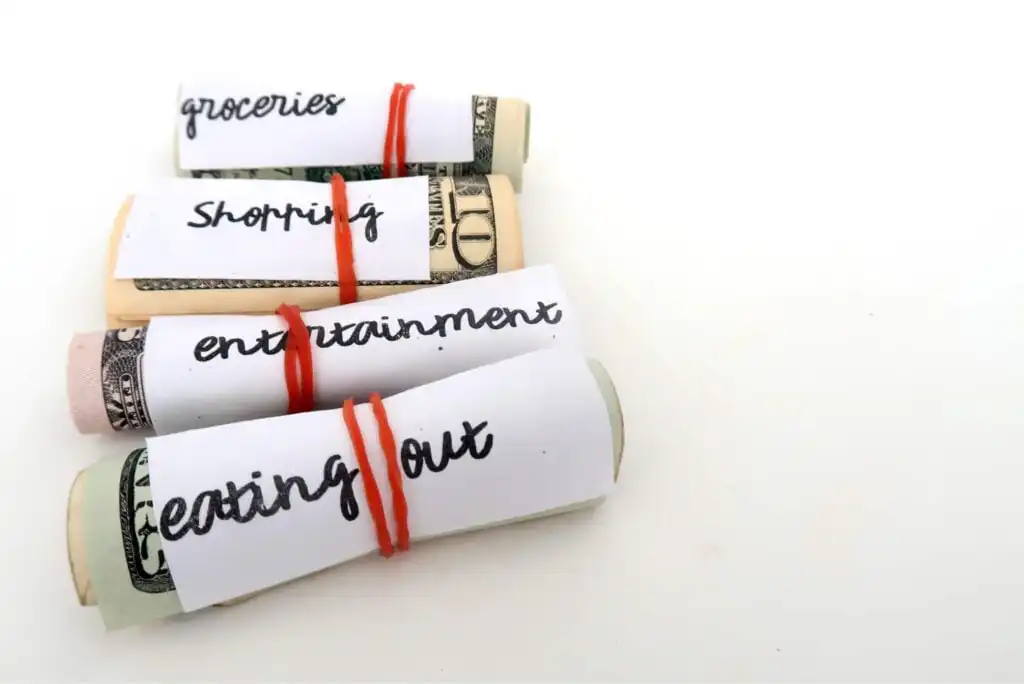


Most budgets fail because they’re built on assumptions rather than actual spending data. Track every transaction for one full month first and you’ll almost certainly find categories where you’re spending two or three times what you guessed. Build your budget from that reality, not from what you think you spend.
Ask anyone what they spend on restaurants each month, then pull the statement. The real number often doubles the guess. That gap sinks budgets in their first month, and most people blame their discipline when the problem was their data.
Thirty days of tracking fixes the data problem because it captures a full billing cycle. One month catches weekly grocery runs, subscriptions that renew on scattered dates, and the one-off purchases you’d never think to estimate. The point isn’t to judge your spending. It’s to measure it. You can’t allocate dollars you don’t know are leaving.
Use whatever tool you’ll actually stick with. A budgeting app that imports transactions automatically does most of the work, but a notes app or a pocket notebook gets the same result. Three rules make the month count: record every transaction the day it happens, include cash, and don’t change your behavior midstream. You’re observing, not dieting.
At the end of the month, sort everything into categories and set the real totals next to what you would have guessed. If you penciled in $200 for groceries and the tracked total says $460, that line doesn’t need more willpower. It needs a realistic number. The two or three categories where reality blew past your estimate are the foundation of your budget. They show where you need more room, or the first place to cut.
One caveat. No month is perfectly average, and a December full of gift shopping or a summer of camp fees will skew the data. Keep those seasonal costs in their own category so they don’t inflate your everyday baseline, then plan for them annually rather than monthly.
Build the budget from those numbers, then expect to revise it after another 30 days of real life. A budget that starts from evidence bends without breaking. One that starts from guesses rarely survives the first grocery run.

Editorial & Advertiser Disclosure: The editorial content on this page is not provided, commissioned, reviewed, approved, or otherwise endorsed by any advertiser. Opinions expressed here are ours alone, not those of any advertiser. The offers that appear on this site are from companies that compensate us. That compensation may influence which products we cover and where and how they appear on a page – including the order in which they appear – but it does not influence our evaluations, ratings, or opinions. We do not include every company or offer available in the marketplace.
Related: