
Before you drive for Uber or Lyft, call your car insurer and add rideshare coverage. Your personal policy usually stops covering you once the app is on, and the app’s own insurance won’t pay to fix your car until you accept a ride. Then confirm your car and driving record qualify, and work out what each mile costs you.
While you wait for a request, the apps’ coverage for injuries and damage you cause others is at its thinnest. In most states, it pays up to $50,000 a person and $100,000 a crash for injuries, and $25,000 for property damage.
Say you rear-end a car at a light while you wait. Your insurer can deny the claim, since most personal auto policies exclude driving for hire, according to the National Association of Insurance Commissioners. The app’s policy pays the other driver, and the repairs to your own car are yours to pay.
Once you accept a ride, that coverage rises to at least $1 million in most states. The apps will pay for damage to your own car only if your policy carries collision and comprehensive coverage, and only after a $2,500 deductible.
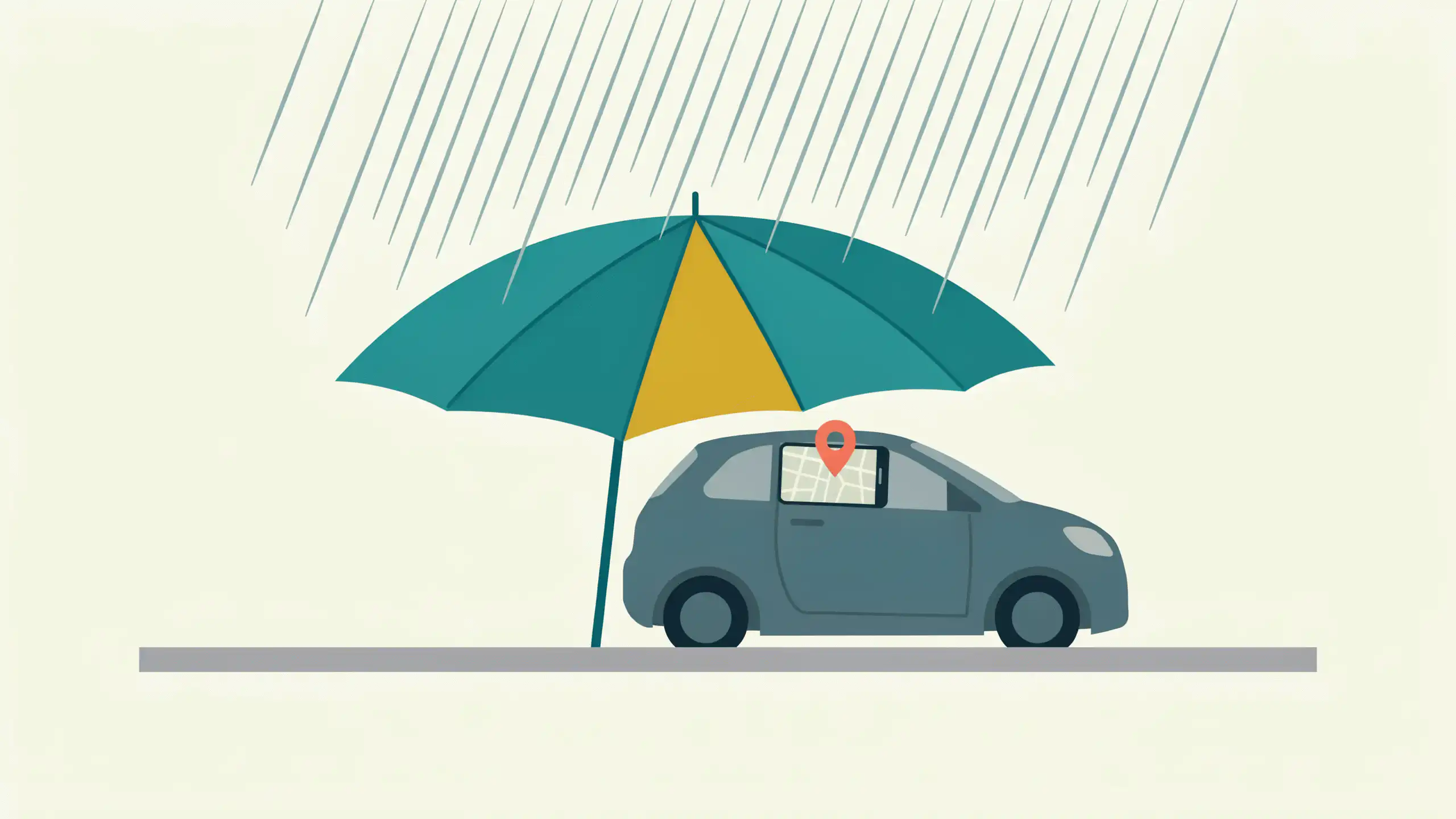
Ask your insurer for a rideshare endorsement, an add-on that extends your policy to the hours the app is on. If it doesn’t sell one, switch to an insurer that does. Also find out whether your policy helps pay the apps’ $2,500 deductible, since some do.
Before you weigh what Uber or Lyft pays, make sure you and your car qualify. Both apps require a four-door car and check your driving record and criminal history. Rules on your car’s age and condition depend on where you’ll drive, and so does the minimum age for drivers, which runs from 21 to 25.
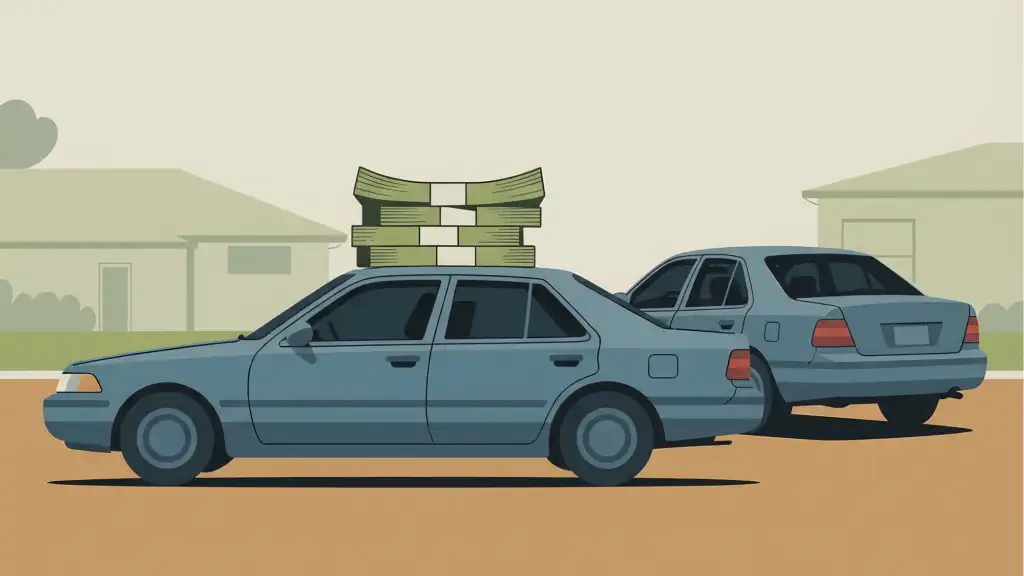
Then work out what each mile costs you. In AAA’s 2026 Your Driving Costs study, gas cost the average new car 17.3 cents a mile, and maintenance, repairs, and tires added 11.7 cents. Together that’s about $29 every 100 miles, and the car also loses value as the miles add up. Subtract both when you figure your real hourly pay.
Add the endorsement before you turn the app on for the first time, since it won’t pay for a crash that happened before you added it.
Find an insurer that sells the endorsement among the best rideshare insurance companies.


Subscribe and we'll send you 101 Essential Money Tips to get you started.
The 101 money moves that matter most, from the foundations to protecting what you’ve built.
Advertiser Disclosure: Many or all of the offers that appear on this site are from companies that compensate us, and some companies pay for sponsored content. That compensation may influence which products we cover and where and how they appear on a page, including the order in which they appear. We do not include every company or offer available in the marketplace.