
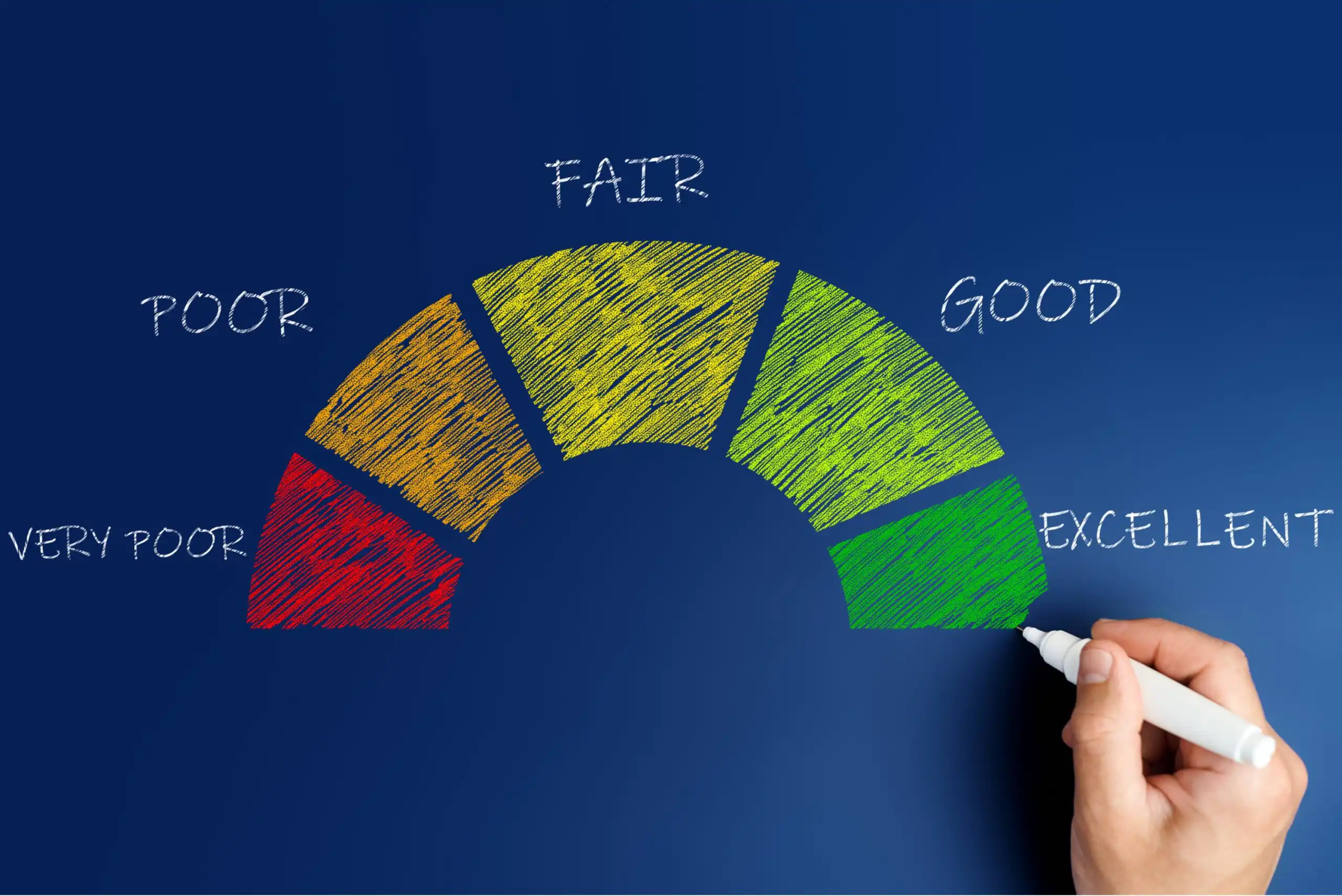
Your credit score plays an outsize role in determining your eligibility for new credit (creditworthiness) and cost (your interest rate) of any credit lines or loans you’re approved for.
Your credit score can also affect aspects of your life not directly related to spending on credit, such as your eligibility for rental housing, suitability for jobs that require government security clearances, and insurance premiums. The consequences of a bad credit score are more numerous — and have a greater impact on one’s quality of life — than most consumers realize.
The good news here is that credit scoring is not some super-secret “black box” process that no one understands except for those in charge of the scoring algorithms: the major consumer credit bureaus — Experian, TransUnion, and Equifax — and independent scoring agencies like the Fair Isaac Corporation. Although we might not know every single input or weight in those algorithms, we know the basic components of the popular FICO and VantageScore credit scores and the steps consumers need to take to improve their scores.
We also know what credit-conscious consumers shouldn’t do if they want to preserve their progress toward better credit or, for the fortunate among us, maintain their already-excellent scores. We understand the factors and circumstances that can hurt consumer credit scores and what must be done to avoid them.
Pro tip: If your credit scores are lower than you’d like, sign up for a free Experian Boost account. With Experian Boost you can get an instant boost to your credit scores by factoring in bills like cable, utilities, and even Netflix.
Factors That Can Hurt Your Credit Score and Affect Your Credit History
Left unchecked, these factors can negatively impact your credit score and blemish your credit history, making you less attractive to potential lenders, insurance underwriters, landlords, and employers. For the most part, they affect both FICO and VantageScore scores, albeit to different degrees prescribed by each score’s unique algorithm.
1. Late or Missed Payments (Inconsistent Payment History)
Whatever else you do, do your best not to miss a credit card or installment loan payment.
Seriously. Under the FICO and VantageScore rubrics, your payment history is the most important determinant of your credit score. This factor accounts for a whopping 35% of your FICO score. The credit bureaus responsible for VantageScore don’t publicly disclose percentage weights for scoring factors, but payment history is the only VantageScore factor ranked “Extremely Influential” in publicly available breakdowns.
Credit scoring models have low tolerance for payment history inconsistencies. A single late payment can therefore significantly reduce your score, even if you have a good credit score otherwise. Indeed, a late or missed payment can be especially detrimental for super-creditworthy folks because it can be an unsightly blemish on an otherwise spotless track record of responsible credit use. Credit scoring is predictive and consumers with high scores default far less frequently than those with impaired credit.
2. A High Credit Utilization Ratio (Balance to Cumulative Credit Limit Ratio)
Your credit utilization ratio is the percentage of total available credit that you use at a given point in time. In other words, it’s a rolling ratio of your outstanding balances to your cumulative credit limit.
Using a considerable amount of available credit is not inherently bad. Credit exists to be used, after all. However, any amount of leverage increases one’s vulnerability to unexpected financial setbacks, thereby increasing the risk that they’ll miss payment due dates or default on balances owed. Statistically speaking, there’s a close correlation between leverage and default risk. This is one reason why many consumers choose to build credit without credit cards.
Credit utilization is a major scoring factor for both FICO and VantageScore. The bureaus responsible for VantageScore recommend keeping credit utilization under 30%. FICO doesn’t publicly offer such a recommendation but does reveal that credit utilization accounts for 30% of consumers’ scores.
Notably, some level of credit utilization may be better than no credit utilization at all. FICO advises consumers to use credit responsibly, stating that “[in] some cases, a low credit utilization ratio will have a more positive impact on your FICO Scores than not using any of your available credit at all.”
3. Closing Credit Card Accounts for No Reason (Shortening Your Length of Credit History)
FICO’s recommendation that consumers utilize some available credit underscores the importance of keeping revolving credit lines — including credit cards — open even when they’re not actively in use. I personally have several active credit cards that haven’t seen the light of day in years; I have no doubt they keep my score higher than it would be otherwise.
Why? Because both FICO and VantageScore consider credit account age (average age of credit) when assessing consumers’ creditworthiness. The thinking here, in part, is that consumers with a longer track record of responsible credit use are more likely to continue to use credit responsibly in the future. Age of credit, also known as length of credit history, accounts for 15% of your FICO score and is “Highly Influential” in the VantageScore model.
It’s too far to say that one should never voluntarily close a credit account that they have the option of keeping open after zeroing out the balance, such as a credit card or other revolving line of credit. And some credit card issuers take action to close zero-balance accounts that aren’t being used, so you might need to make the occasional charge and corresponding balance payment to keep your account open. But your bias should always be toward preserving dormant accounts.
4. Having Too Many Credit Cards or Other Types of Credit Accounts (Poor Mix of Credit)
The question of how many credit cards one should have has no clear-cut answer. Savvy consumers who know how to play the credit card rewards game might have a half-dozen or more credit cards in regular use: one for the supermarket, one for the gas pump, one for other types of travel, one for online shopping, one for financing major purchases without incurring interest, and so on. New-to-credit consumers might have just one, most likely a secured credit card or student credit card.
The exact number of open credit cards you carry around in your wallet — or, like me, keep in a locked drawer — is less important than whether those cards are the only credit “trades” (accounts) that appear on your credit reports. If you’re averse to using credit cards at all, the same logic applies to any other type of credit: personal loans, auto loans, mortgages, and so on. Disproportionately or exclusively using one type of credit is detrimental to your credit score.
Both FICO and VantageScore consider “credit mix,” as it’s known, when calculating your score. Your credit mix accounts for 10% of your FICO score and is “Highly Influential” to your VantageScore, although VantageScore combines credit mix and account age into its Age and Type of Credit super-factor. Regardless, the bottom line here is clear: Work toward a diverse credit portfolio that includes credit cards and various types of installment loans.
5. Applying for Too Many Credit Accounts in a Short Period of Time
Just as there’s nothing inherently wrong with using credit, applying for multiple credit accounts within a short period of time isn’t something to avoid at all costs. However, repeated credit applications can affect your credit score in two ways: a short-term reduction triggered by lenders’ concerns that you’re living beyond your means and a longer-term drag due to lower overall account age.
On the first point, both FICO and VantageScore consider frequent credit application as a sign of credit risk in its own right. “New credit,” as FICO terms it, accounts for 10% of your total FICO score and can be particularly influential on the downside if you don’t have a long credit history. VantageScore considers “recent credit behavior and inquiries” to be “Less Influential.”
That said, both scoring models build some flexibility into this factor to accommodate the realities of the credit-shopping process. Simply checking your credit report and score — a “soft credit inquiry” — never affects your score, and applying for the same type of credit with multiple lenders within a brief “rate shopping” window (measured in weeks) counts as just one score-affecting “hard credit inquiry.” This is welcome news for consumers planning major purchases for which small differences in loan rates and terms can significantly affect lifetime financing costs.
6. Opening Credit Accounts You Don’t Actually Need
Under the VantageScore model, opening new credit accounts merely to improve credit mix or reduce credit utilization may backfire. VantageScore penalizes consumers for failing to heed its advice to “only open the amount of credit you need” — a vague prescription, to be sure, but one that basically boils down to “don’t open too many credit cards at once.”
7. Carrying High Credit Balances
The VantageScore model also penalizes consumers for carrying credit card and other debt balances, regardless of credit utilization ratio. This factor, termed “total balances/debt,” is “Moderately Influential” in the VantageScore scheme.
The surprising influence of “total balances/debt” may be due to the fact that it’s a proxy for one’s debt-to-income ratio, which lenders consider when determining prospective borrowers’ default risk. Regardless, the takeaway is clear: Your failure to pay down high credit balances could weigh down your score over time.
8. Not Checking Your Credit Report Regularly
Could you say for sure when you last checked your credit report?
No? Welcome to the party. Too many consumers rarely or never check their credit reports despite a federal law that allows them to do just that — thrice annually, in fact, ideally at four-month intervals — at no out-of-pocket cost. AnnualCreditReport.com is where the magic happens.
Fail to check your credit report regularly and you’ll miss out on more than an up-to-date snapshot of your credit score. No matter which of the three major credit reporting bureaus issues it, your credit report contains a trove of information about your financial life, some of which might be news to you. For example, an unabridged report contains details not just about familiar trades like your credit cards, car loan, and mortgage, but lower-profile debts and obligations that could affect your credit score in a big way:
- Private Liens. Maybe you ignored a home improvement subcontractor’s invoice because you weren’t satisfied with the work or only partially paid an auto repair bill you found extortionate. If the biller went through the trouble to put a lien on the property — your house or car, in these examples — the action could show up on your credit report. You could also lose your house or car if the lien is subsequently enforced.
- Delinquent Bills. Delinquent bills not secured by physical property can affect your credit score too. Skipping out on a hospital bill that you simply can’t afford might be a good short-term move for your personal finances, but it’s likely to haunt your credit for years to come.
- Collections Accounts. Forgetting about a debt doesn’t make it go away. Nor does the original lender’s conclusion that you’re not good for the money. Lenders typically sell long-overdue debts to collections agencies, which then pull out all the stops to recoup the balance. Collections accounts usually languish on credit reports for seven years — long after anyone stops trying to collect on the debt, in many cases.
On the bright side, some types of debt don’t appear on consumer credit reports and thus don’t directly affect credit scores: past-due taxes and municipal debts like unpaid parking tickets and utility service fees. That doesn’t mean you can shirk these obligations without consequence, of course. Just try ignoring your property tax bill for a few years straight.
9. Failing to Fix Credit Report Errors
One additional reason to check your credit report regularly is the possibility that you’ll spot errors — entries that have no place on your report and negatively affect your score in the meantime.
Credit report errors happen for all sorts of reasons, from clerical mistakes and legitimate inconsistencies in the spelling of your name to outright identity theft. Fortunately, attempting to fix them is straightforward enough, even if success isn’t guaranteed. Each of the three major credit reporting bureaus has an online error-reporting process. Many lenders do as well, and those that don’t typically accept written complaints by secure email or snail mail. Bureaus and lenders are required by law to investigate error reports and present their findings within about a month.
Lodging error reports is well worth the effort. A legitimate error’s removal can immediately boost your credit score, and the worst-case scenario — no change — isn’t the end of the world.
Final Word
Credit scoring models are not static. Those responsible for the FICO and VantageScore algorithms routinely update their formulas to improve accuracy in credit risk assessments and reduce inconsistencies or inequities in their scores’ impacts. The most recent major credit scoring change, a series of FICO updates collectively known as FICO 10 and 10T, affected millions of consumers — some positively, some negatively.
Contemplating the impact of big scoring updates like FICO 10 and 10T might give credit-conscious consumers heartburn, but there’s no need to overreact. Despite increased emphasis on credit card utilization and personal loan debt, these changes left the basic FICO scoring structure intact, meaning most responsible users of credit weren’t adversely impacted by the changes. What worked before FICO 10 and 10T basically works after FICO 10 and 10T.
That the credit scoring factors described in this guide will remain relevant in the future is good news for consumers who value stability and predictability. But it doesn’t mean you can sit back and wait for your score to improve. Responsibility for working toward better credit is yours and yours alone.

Editorial & Advertiser Disclosure: The editorial content on this page is not provided, commissioned, reviewed, approved, or otherwise endorsed by any advertiser. Opinions expressed here are ours alone, not those of any advertiser. The offers that appear on this site are from companies that compensate us. That compensation may influence which products we cover and where and how they appear on a page – including the order in which they appear – but it does not influence our evaluations, ratings, or opinions. We do not include every company or offer available in the marketplace.
Related: