

Start your child’s allowance near $1 a week per year of age, then adjust it for what it has to cover. Add up what you now spend each week on the things it will pay for, so the allowance replaces that money. Pay it on a fixed day, and raise it as they take on new costs.
Next to what other parents report paying, that age rule can look stingy.
In a 2025 Wells Fargo survey, the median weekly allowance, the middle of what parents reported, came in above the age rule for every age group:
- $15 for kids 5 to 8, against the rule’s $5 to $8
- $20 for kids 9 to 14, against the rule’s $9 to $14
- $25 for teens 15 to 17, against the rule’s $15 to $17
Paying less than those medians doesn’t make you stingy, because what the allowance pays for sets the right amount. One that buys only treats can stay near the age rule, while one that also covers school lunches or clothes has to be bigger.
List what your child will now buy with it, and add up what you spend on those things in a typical week. Make that total the allowance and stop buying those things yourself, so it replaces money you already spend instead of adding a new cost. When the money runs out early, let them run short until payday instead of topping it up. Whether to tie it to chores is a separate decision.
Say your 10-year-old takes over paying for their snacks, small toys, and outings with friends, which cost you about $10 a week. Their allowance is $10. By 13, a $1 raise on each birthday brings it to $13, and handing over their clothes budget, about $50 a month, adds about $12 a week, for $25 in all.
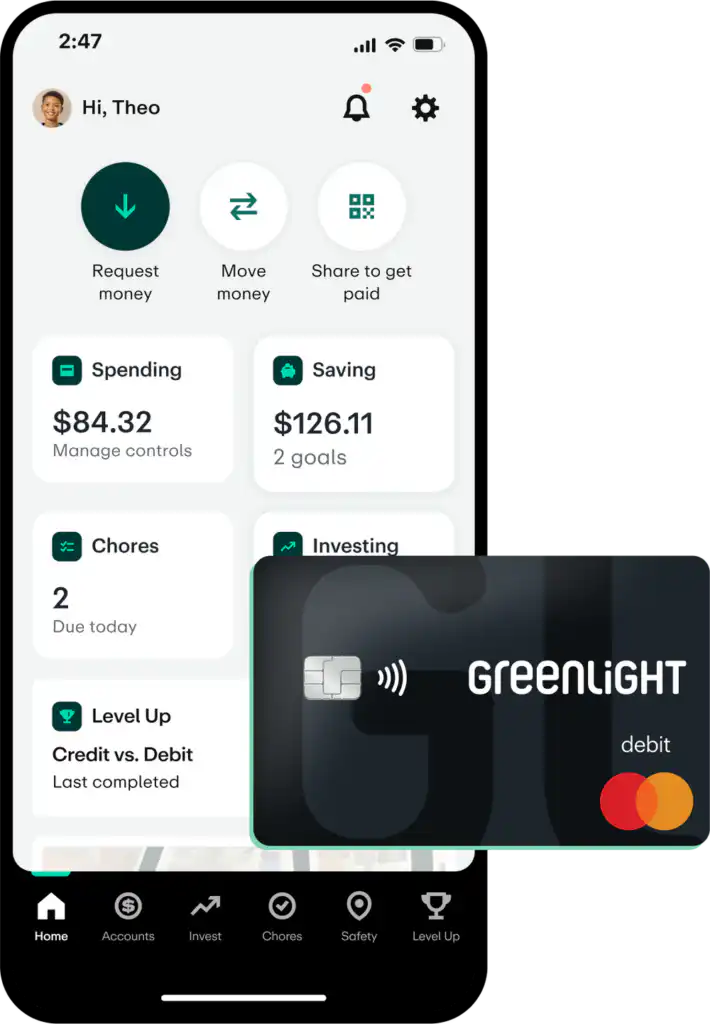
Pay it on the same day every week, and raise it on each birthday and the week it takes on a new cost. Cash, which most parents in the survey use, lets a young child see and count what’s left. A kids’ debit card can pay it on a schedule and alert you to their purchases through its app.
Write the list down before the first payday, so you and your child both know which purchases are now theirs.

Subscribe and we'll send you 101 Essential Money Tips to get you started.
The 101 money moves that matter most, from the foundations to protecting what you’ve built.
Advertiser Disclosure: Many or all of the offers that appear on this site are from companies that compensate us, and some companies pay for sponsored content. That compensation may influence which products we cover and where and how they appear on a page, including the order in which they appear. We do not include every company or offer available in the marketplace.