
Filing for bankruptcy follows the same steps in every court, from credit counseling before you file to the discharge that erases your eligible debts. A Chapter 7 case usually takes about four months, and a Chapter 13 case three to five years. Gather your income, debt, and property records before you meet with a lawyer.
The only proceeding you must attend is the meeting of creditors, where the trustee overseeing your case questions you under oath. No judge is allowed to attend.
The rest is mostly paperwork, and it has to be complete. The petition that opens your case comes with schedules listing everything you own, owe, earn, and spend. A debt you leave off may not be erased.
The steps come in this order:
- Take credit counseling from an agency the Justice Department approves, within 180 days before you file.
- File the petition and schedules, plus a repayment plan in Chapter 13, and pay the filing fee.
- The automatic stay takes effect the moment you file, halting most lawsuits, wage garnishments, and collection calls.
- About a month after you file, attend the meeting of creditors, usually held by video.
- Complete a debtor education course, a second course on managing money, after you file.
- The court grants the discharge, usually 60 to 90 days after the meeting in Chapter 7 or after your last plan payment in Chapter 13.
The filing fee is $338 for Chapter 7 or $313 for Chapter 13, payable in up to four installments if the court agrees. In Chapter 7, the court can waive it if your household earns less than 150% of the poverty line and even installments are more than you can pay. Each course usually costs $50 or less, and filers under that same income line can get it reduced or waived. Attorney fees vary by chapter and region. Nolo, a legal publisher, puts typical fees at $1,500 to $2,500 for Chapter 7 and $3,000 to $6,000 for Chapter 13.
A lawyer is worth the cost in almost every case. The federal courts strongly recommend one, and court staff can’t give legal advice. A mistake in your filing can get your case dismissed or cost you property.
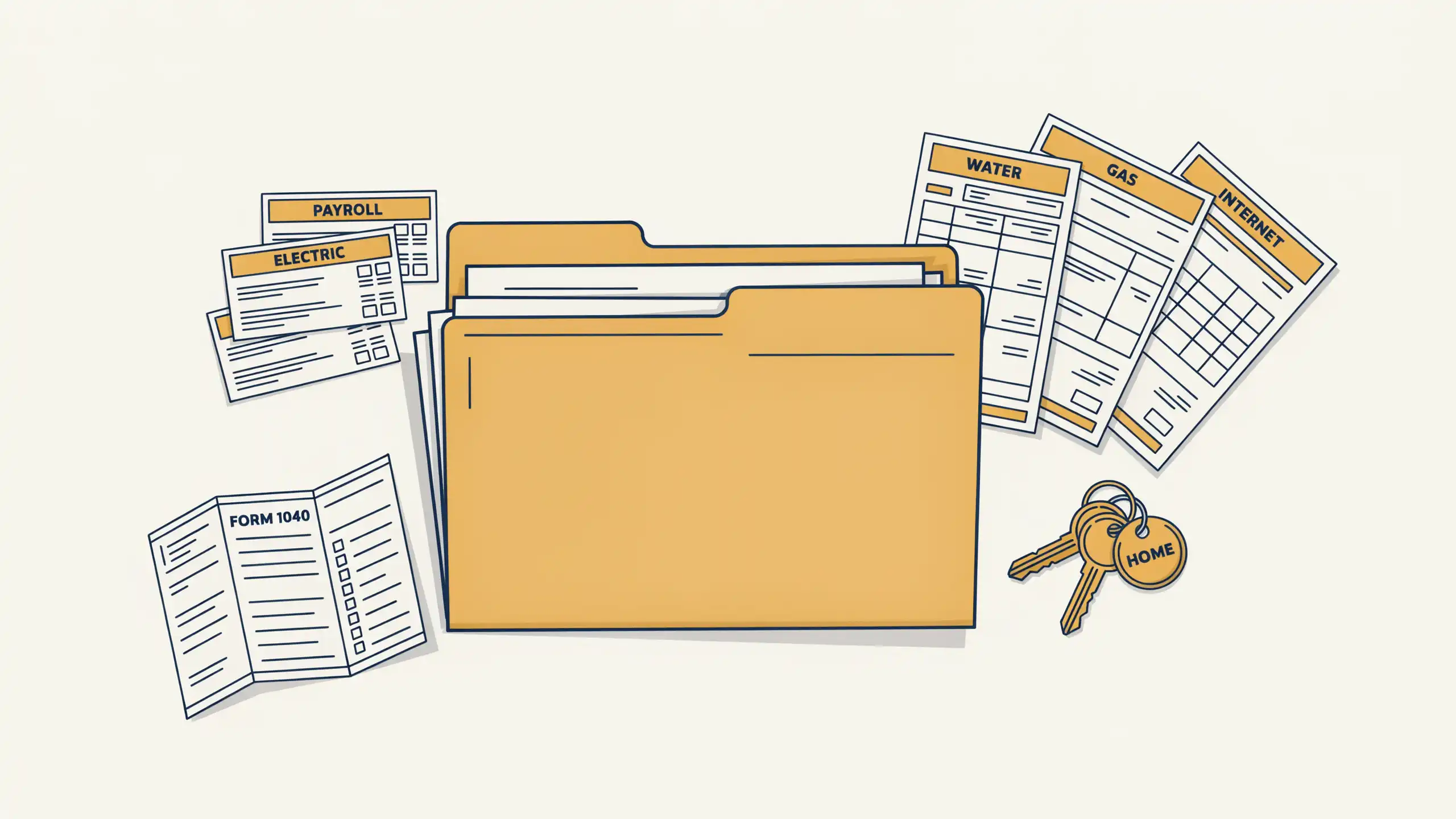
Before your first consultation, gather your last 60 days of pay stubs, your latest tax return, a statement for each debt, and a rough value for everything you own.

Editorial & Advertiser Disclosure: The editorial content on this page is not provided, commissioned, reviewed, approved, or otherwise endorsed by any advertiser. Opinions expressed here are ours alone, not those of any advertiser. The offers that appear on this site are from companies that compensate us. That compensation may influence which products we cover and where and how they appear on a page – including the order in which they appear – but it does not influence our evaluations, ratings, or opinions. We do not include every company or offer available in the marketplace.
Related: