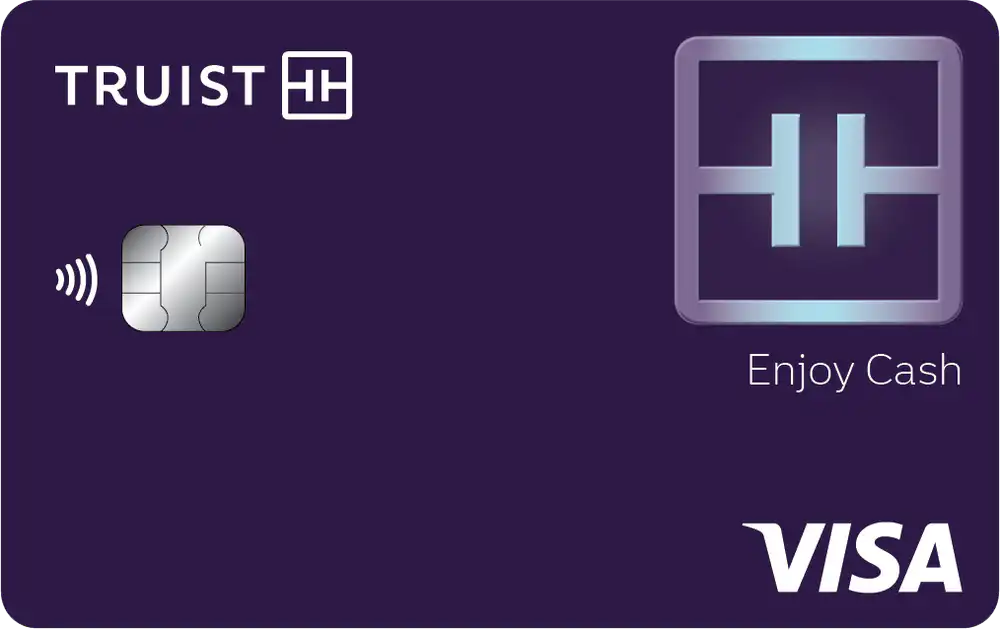

Pick the largest sign-up bonus your regular spending can earn before its deadline, and pay the card in full every month so interest doesn’t cancel it out. For most people, that’s a $95 travel card such as the Capital One Venture Rewards. Pay a premium card’s fee only if you’ll use its credits.
A sign-up bonus is the fastest way to earn big card rewards, as long as you earn it on spending you’d do anyway and pay the balance in full each month. Banks charged an average rate of 22.15% on card accounts that paid interest in the second quarter of 2026, the Federal Reserve reports. At that rate, carrying a balance to reach a spending requirement can cost more than the bonus is worth.
Every card below earned its place on three tests: the offer’s value in cash or travel, the spending it requires in the time allowed, and whether the card is worth its annual fee after the bonus. Divide the spending requirement by the months allowed, and take an offer only if the result fits what you already charge each month. Some American Express offers vary by applicant, and the company shows your exact amount before you accept the card.
Points & miles for any trip
Each card here pays points or miles worth a cent apiece on travel booked through its issuer, on flights in American Express’s case, so 100,000 points comes to about $1,000 of travel.
Capital One Venture Rewards Credit Card

Anyone who wants double miles on everything can earn 75,000 miles for a $95 fee, plus up to $300 for a hotel or vacation rental booked through Capital One Travel in year one.
- Best for: Travelers who want one flat-rate miles card for all their spending
- What Sets It Apart: 2 miles per dollar on every purchase; transfers to 22 airline and hotel programs, most at one to one
- Cost: $95 annual fee; no foreign transaction fee; 19.74%, 24.74%, or 28.74% variable APR
- Features: 75,000 miles after $4,000 in purchases in 3 months; a one-time $300 Capital One Travel credit for hotels and vacation rentals in year one; 5X on Capital One Travel reservations for hotels, vacation rentals, or rental cars; up to $120 every 4 years for Global Entry or TSA PreCheck
- Pros: No bonus categories to track; a first-year offer worth up to $1,050 toward travel; transferred miles worth more than a cent each on awards that cost fewer miles than their cash price in cents
- Cons: 2X beats the no-fee VentureOne’s 1.25X after the fee only past about $12,700 a year; no airport lounge access; 5X and the $300 credit only on Capital One Travel bookings
For more information, read our full Capital One Venture Rewards Credit Card Review.
Chase Sapphire Preferred® Card

A traveler who books one hotel stay a year through Chase Travel can earn 75,000 points for a $95 fee that the card’s yearly hotel credit of up to $100 covers.
- Best for: Travelers who book at least one hotel stay a year through Chase Travel
- What Sets It Apart: A $100 annual Chase Travel hotel credit that covers the $95 fee, plus transfers to airline and hotel programs
- Cost: $95 annual fee; no foreign transaction fee; 19.49% to 27.74% variable APR; balance transfer fee 5% (min. $5)
- Features: 75,000 points after $5,000 in purchases in 3 months; 5x on Chase Travel; 3x on dining, gas, EV charging, streaming, and online grocery; up to $120 every four years for Global Entry, TSA PreCheck, or NEXUS
- Pros: $100 hotel credit exceeds the $95 fee; primary rental car coverage; trip cancellation and trip delay coverage
- Cons: Credit only on Chase Travel hotel bookings, which usually earn no hotel loyalty points; 1x on non-bonus purchases; Points Boost limited to select bookings; no intro APR
For more information, read our full Chase Sapphire Preferred® Card Review.
American Express® Gold Card
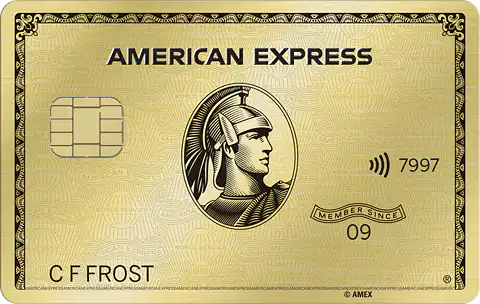
Offers run as high as 100,000 points, and the $325 fee pays for itself after the bonus only if you spend heavily at restaurants and U.S. supermarkets and use its dining credits.
- Best for: Heavy restaurant and supermarket spenders who book flights with points; regular Uber, Grubhub, and Dunkin’ customers
- What Sets It Apart: 4X points at restaurants worldwide and at U.S. supermarkets; $424 a year in dining, Uber, Resy, and Dunkin’ credits
- Cost: $325 annual fee; no foreign transaction fee; 19.74% to 28.74% variable APR on Pay Over Time balances
- Welcome Offer: Up to 100,000 points after $8,000 in purchases in 6 months; exact offer, if any, shown before you accept
- Rewards: 4X at restaurants (up to $50,000 a year) and U.S. supermarkets (up to $25,000); 5X on prepaid Amex Travel hotels; 3X on flights booked with airlines or Amex Travel; 1X elsewhere; points worth 1 cent on Amex Travel flights or 0.6 cent as a statement credit
- Rideshare: $10 in Uber Cash each month for Uber rides and Uber Eats orders in the U.S.; unused Uber Cash expires at the end of each month; Uber and Lyft rides earn 1X
- Dining Credits: Up to $10 a month at Grubhub, Seamless, Buffalo Wild Wings, Five Guys, The Cheesecake Factory, and Wonder; up to $50 every six months at Resy restaurants; up to $7 a month at Dunkin’; enrollment required; unused amounts don’t carry over
- Pros: 4X on restaurant meals abroad with no foreign transaction fee; welcome offer worth up to $1,000 toward Amex Travel flights; no annual fee on up to five additional cards
- Cons: Points worth 0.6 cent as statement credits; dining credits need enrollment and don’t carry over; no airport lounge access
For more information, read our full American Express® Gold Card Review.
Capital One Venture X Rewards Credit Card

From year two, a $300 yearly credit on Capital One Travel bookings plus 10,000 anniversary miles more than cover the $395 fee. A traveler who’d use that credit anyway can earn 75,000 miles.
- Best for: Frequent travelers who’ll book at least $300 a year through Capital One Travel
- What Sets It Apart: $300 yearly travel credit and 10,000 anniversary miles worth $400 toward travel, more than the $395 fee
- Cost: $395 annual fee; no foreign transaction fees; 19.74%, 24.74%, or 28.74% variable APR
- Features: 75,000 bonus miles after $4,000 in purchases in 3 months; 2X miles on all purchases; 5X on Capital One Travel flights and vacation rentals; 10X on Capital One Travel hotels and rental cars; up to $120 back for Global Entry or TSA PreCheck every 4 years
- Pros: Lounge access for the primary cardholder at Capital One Lounges and Priority Pass lounges; miles worth 1 cent each toward travel; transfers to more than 15 airline and hotel programs
- Cons: Travel credit works only on Capital One Travel bookings and expires each year; lounge guests cost $45 per adult at Capital One Lounges and $35 at Priority Pass; $125 a year for each authorized user’s lounge access
For more information, read our full Capital One Venture X Rewards Credit Card Review.
Chase Sapphire Reserve®

Its 100,000 points can be worth up to 2 cents each on some Chase Travel flights and hotels, but the $795 fee pays off only if you’ll use most of the card’s credits.
- Best for: Frequent travelers who will use the travel credit and at least two of the dining, StubHub, and The Edit credits
- What Sets It Apart: $300 travel credit that covers almost any travel purchase; lounge access with up to two guests; points worth up to 2 cents each with Points Boost
- Cost: $795 annual fee; $195 per authorized user; 19.74% to 28.24% variable interest rate; no foreign transaction fees
- Features: 100,000 points after $6,000 in 3 months; 8x on Chase Travel; 4x on flights and hotels booked direct; 3x on dining; up to $500 for prepaid The Edit stays; $300 dining credit; $300 StubHub credit; up to $120 Global Entry, TSA PreCheck, or NEXUS credit every 4 years
- Pros: Automatic $300 travel credit; Chase Sapphire Lounges and 1,300+ Priority Pass lounges; transfers to United, Southwest, and World of Hyatt; up to $75,000 in rental car coverage
- Cons: $795 fee; dining and StubHub credits paid in $150 halves; several perks end in 2027; 1 cent per point in Chase Travel without Points Boost
For more information, read our full Chase Sapphire Reserve® Review.
American Express Platinum Card®
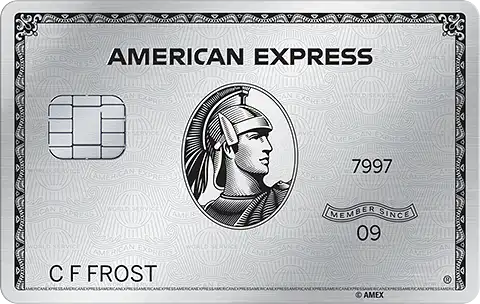
American Express offers up to 175,000 points. After the bonus, the $895 fee is worth paying only for a frequent flyer who’ll use its airport lounges and already buys what its credits cover.
- Best for: Frequent travelers who’ll use airport lounges and most of the card’s credits without changing how they spend
- What Sets It Apart: Access to more than 1,550 airport lounges; Hilton Honors Gold and Marriott Bonvoy Gold Elite status; 11 yearly credits worth $2,994 at face value
- Cost: $895 annual fee; $195 per additional Platinum card; 19.74% to 28.74% variable APR on Pay Over Time balances; no foreign transaction fee
- Rewards: 5 points per dollar on flights booked with airlines or Amex Travel (up to $500,000 a year) and on prepaid Amex Travel hotels; 1 point elsewhere; welcome offer of up to 175,000 points after $12,000 in purchases in 6 months
- Rideshare: $15 a month in Uber Cash, plus $20 more in December, for U.S. rides and Uber Eats orders, expiring at the end of each month; up to $120 a year back on an Uber One membership
- Travel Credits: $600 a year, in two $300 halves, for prepaid stays booked through The Hotel Collection or Fine Hotels + Resorts; $200 a year for fees on one chosen airline; $219 for CLEAR+; $120 for Global Entry or up to $85 for TSA PreCheck every 4 years, NEXUS not covered
- Spending Limit: No preset spending limit; what you can spend adjusts with your purchase, payment, and credit history
- Pros: Free entry to Centurion lounges and 10 Delta Sky Club visits a year on eligible Delta flights; up to two free guests at Priority Pass, Escape, and Plaza Premium lounges; Hilton and Marriott Gold status
- Cons: Credits split into monthly, quarterly, and half-year amounts; $50 per adult Centurion Lounge guest and per Delta Sky Club visit past 10 until $75,000 in calendar-year spending; 1 point per dollar on everyday spending
For more information, read our full American Express Platinum Card® Review.
Cash back
American Express Blue Cash Preferred® Card
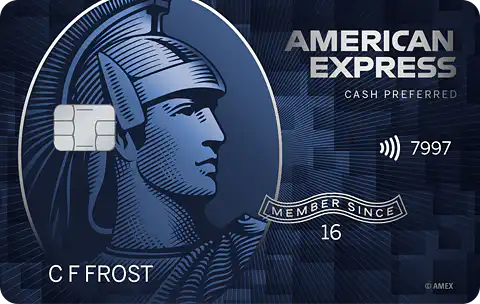
A household with big U.S. supermarket bills can earn up to $300 back with no annual fee the first year, and the 6% grocery rate justifies the $95 fee from year two.
- Best for: Households that spend more than $3,170 a year at U.S. supermarkets, especially those paying for several streaming services
- What Sets It Apart: 6% back on the first $6,000 spent each year at U.S. supermarkets (then 1%) and on select U.S. streaming subscriptions
- Gas: 3% at U.S. gas stations with no yearly cap; pumps at superstores, supermarkets, and warehouse clubs don’t count
- Rideshare: 3% on rideshare, taxis, trains, tolls, parking, and other transit, with no cap; no rideshare credit, so nothing expires
- Welcome Offer: Up to $300 back after $3,000 in purchases in the first 6 months; Amex shows your exact amount after you apply, before you accept the card
- Cost: $0 intro annual fee the first year, then $95; 0% intro APR for 12 months on purchases and on balance transfers requested in the first 60 days, then 19.74% to 28.74% variable; balance transfer fee 3% (min. $5); 2.7% foreign transaction fee
- Features: Up to $10 a month back on Disney+, Hulu, or ESPN with enrollment; cash back redeemable as a statement credit or at Amazon checkout, with no minimum
- Pros: Up to $360 a year from groceries at 6%; uncapped 3% on gas and transit; first year free
- Cons: 6% grocery rate stops at $6,000 a year; superstores and warehouse clubs don’t count as supermarkets; welcome offer varies by applicant; 2.7% foreign transaction fee
For more information, read our full American Express Blue Cash Preferred® Card Review.
Discover it® Cash Back

For someone who spends little and won’t pay an annual fee, the $200 bonus takes only $500 in purchases within three months, and Discover matches all your first-year cash back.
- Best for: People who’ll activate rotating 5% categories every quarter and pay their balance in full
- What Sets It Apart: Cashback Match doubles all the cash back you earn in your first year, with no cap; no annual or foreign transaction fee
- Cost: $0 annual fee; no foreign transaction fee; 0% intro APR on purchases and balance transfers for 15 months, then 18.74% to 28.74% variable APR; 3% fee on balances transferred in the first 15 months
- Features: 5% on up to $1,500 a quarter in categories you activate; 1% on all other purchases; 5% on Capital One Travel bookings of hotels, vacation rentals, rental cars, and activities, and on Capital One Entertainment tickets; $200 statement credit after $500 in purchases in 3 months when you apply through Discover’s page
- Pros: First-year match on every purchase; categories that cover everyday spending; no late fee the first time you pay late
- Cons: Categories need activating every quarter; 5% capped at $1,500 of purchases a quarter; 1% on everything else after year one; 5% categories only at U.S. merchants
For more information, read our full Discover it® Cash Back Review.
Airline cards
Each airline’s card earns that airline’s miles, so if you mostly fly a carrier not listed here, find its card among the best airline credit cards.
United℠ Explorer Card

A United flyer can earn up to 80,000 miles with no annual fee the first year, time enough to see whether free checked bags cover the $150 fee that follows.
- Best for: Travelers who fly United a few times a year, check a bag, and often book with a companion
- What Sets It Apart: Free first checked bag for you and a companion; early Group 2 boarding; two United Club lounge passes a year
- Cost: $0 annual fee the first year, then $150; 19.99% to 28.49% variable APR; no foreign transaction fees
- Welcome Offer: Up to 80,000 miles, 70,000 after $3,000 in purchases and 10,000 for adding an authorized user, both in the first 3 months
- Rewards: 3 miles per $1 on United purchases; 2 on dining and on hotels booked directly; 1 on everything else
- Features: Up to $120 every 4 years toward a Global Entry, TSA PreCheck, or NEXUS application fee; at least 10% fewer miles on United flights booked with miles
- Pros: Free first bags for two can cover the $150 fee in one round trip; two United Club passes a year, which Chase values at over $100
- Cons: Advertised $500-plus in credits split across specific partners; only 1,000 Premier qualifying points a year toward elite status; no companion ticket
For more information, read our full United℠ Explorer Card Review.
Hotel cards
Each pays in one hotel group’s points and free nights, so start with the chain you already stay with, and compare the yearly perks of the best hotel credit cards.
Marriott Bonvoy Boundless® Credit Card

The offer pays 3 free nights, each at a hotel charging up to 50,000 points. That suits a Marriott guest with a trip coming up, since each award expires 12 months after it’s issued.
- Best for: Travelers who stay at a Marriott hotel at least once a year
- What Sets It Apart: A free night after each account anniversary at a hotel charging up to 35,000 points, which you can top up with up to 25,000 of your own points
- Cost: $95 annual fee; no foreign transaction fee; 19.49% to 27.99% variable APR
- Features: 3 free nights, each at a hotel charging up to 50,000 points after $3,000 in purchases in 3 months; 6x at Marriott hotels; 3x on the first $6,000 a year in combined grocery, gas, and dining purchases; 2x on everything else; Silver Elite status; 15 elite night credits a year
- Pros: 35,000-point anniversary night that covers the fee on any room costing more than $95 in cash; Gold status after 10 nights a year; trip delay and lost luggage coverage
- Cons: Just 2x outside the bonus categories, less than a 2% cash-back card unless each point is worth at least a cent; free night expires after 12 months; resort fees not covered on free-night stays
For more information, read our full Marriott Bonvoy Boundless® Credit Card Review.
Hilton Honors American Express Surpass® Card
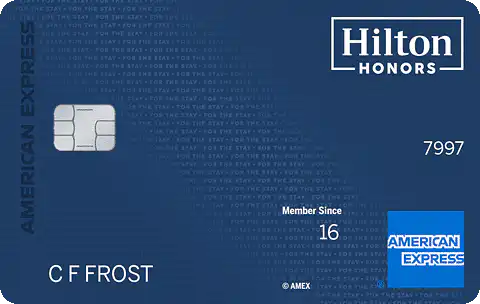
A Hilton guest with modest spending has six months to earn 130,000 points and a Free Night Reward, good for a standard room at most Hilton hotels.
- Best for: Hilton guests who stay in at least three of the year’s four quarters
- What Sets It Apart: Up to $200 a year in Hilton credits, $50 per quarter, against a $150 fee; Gold status with the card
- Cost: $150 annual fee; no foreign transaction fee; 19.74% to 28.74% variable APR
- Features: 130,000 points and a Free Night Reward after $3,000 in purchases in 6 months (apply by Jan. 13, 2027); 12x when you pay Hilton directly; 6x at U.S. restaurants, supermarkets, and gas stations; 4x at U.S. online retailers; 3x elsewhere; Free Night Reward at $15,000 and Diamond status at $40,000 in purchases in a calendar year
- Pros: Four quarterly credits exceed the fee by $50; Gold’s daily food and beverage credit at select U.S. brands; free nights include resort fees
- Cons: Credits capped at $50 a quarter; free night takes $15,000 in spending; 3x on other purchases, less than a 2% card unless each point is worth at least 0.67 cent; no elite night credits; welcome offer may be off-limits if you have or had this card
For more information, read our full Hilton Honors American Express Surpass® Card Review.
IHG One Rewards Premier Credit Card

For an IHG guest, the offer is 180,000 points on $3,000 in purchases within three months, and every fourth night of a stay booked with points is free.
- Best for: Travelers who stay at IHG hotels a few times a year and will use a yearly free night
- What Sets It Apart: Anniversary night at hotels costing up to 50,000 points, with your own points topping up pricier ones; fourth night free on stays booked with points; 15 elite night credits a year
- Cost: $150 annual fee; no foreign transaction fees; 19.49% to 27.99% variable APR
- Features: 10 points per $1 at IHG hotels; 5 per $1 on dining, groceries, gas, car rentals, and flights bought from the airline; 3 per $1 elsewhere; automatic Gold Elite status; $100 yearly airline credit through 2027; up to $100 a year in IHG food and drink vouchers; up to $50 a year in United TravelBank cash; Global Entry or TSA PreCheck credit up to $120 every four years
- Pros: Free night that covers the $150 fee on any room costing more than $150 in cash; fourth night free on any number of stays; 5 points per $1 on dining, groceries, and gas
- Cons: Gold status lacks room upgrades and early check-in; Platinum takes $15,000 in purchases in a calendar year; food and drink vouchers expire each quarter
For more information, read our full IHG One Rewards Premier Credit Card Review.
The best offer is the largest one your regular bills can earn by the deadline without carrying a balance, and for most readers that means a $95 travel card. Step up to a premium card only for credits you’d use anyway.
Readers already carrying a balance should compare the best balance transfer credit cards before applying for any of these.

Editorial & Advertiser Disclosure: The editorial content on this page is not provided, commissioned, reviewed, approved, or otherwise endorsed by any advertiser. Opinions expressed here are ours alone, not those of any advertiser. The offers that appear on this site are from companies that compensate us. That compensation may influence which products we cover and where and how they appear on a page – including the order in which they appear – but it does not influence our evaluations, ratings, or opinions. We do not include every company or offer available in the marketplace.
Related: