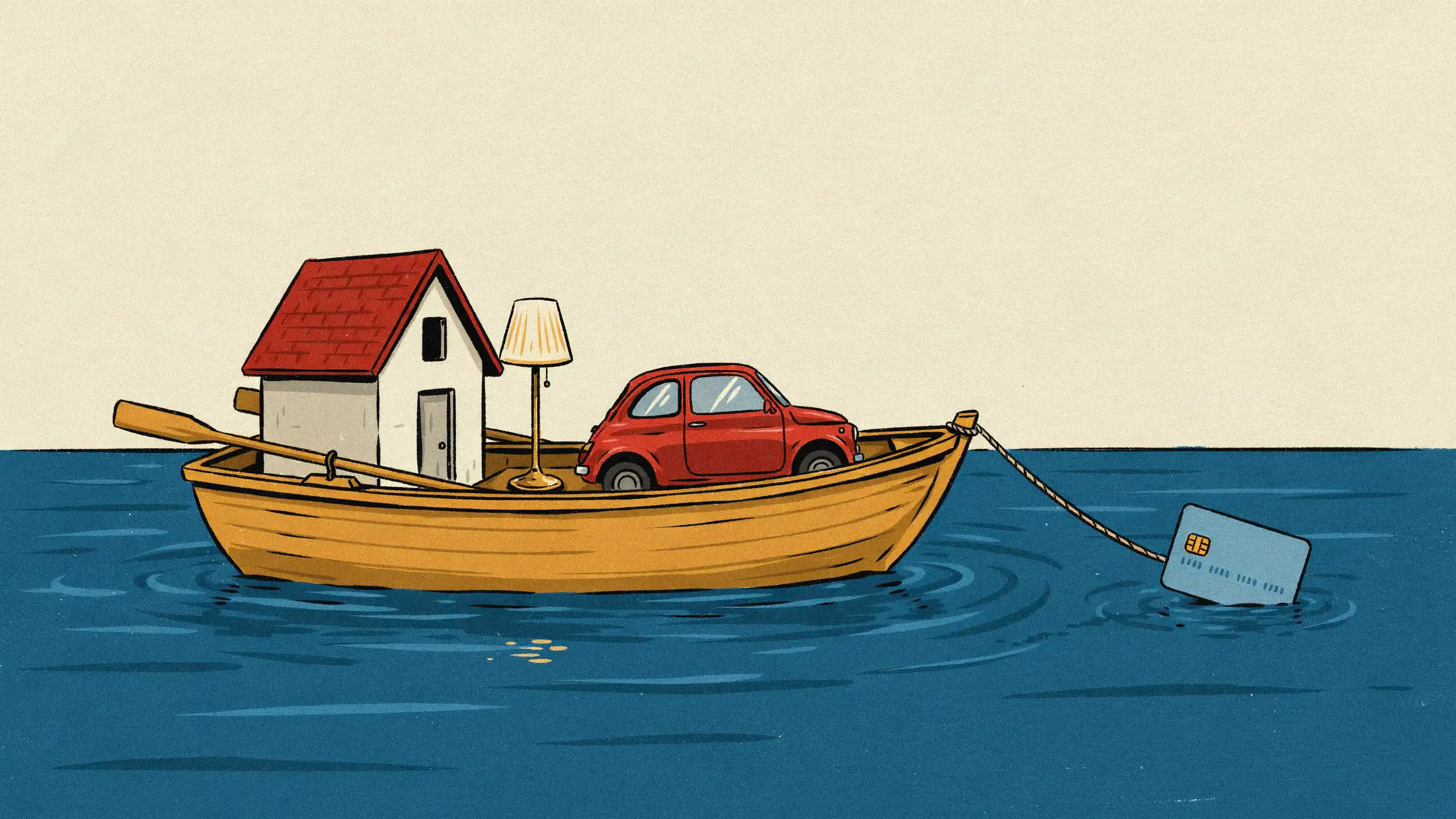

When you can’t cover every bill this month, pay in order of what you’d lose. Keep your housing, utilities, and car current first, since an eviction, shutoff, or repossession is far harder to undo than a late card payment. Then call each creditor you can’t pay in full before its due date.
It’s tempting to pay whichever bill comes due first, or whichever creditor calls the most. Neither order tells you what you stand to lose.
A late card payment can mean a higher interest rate and a lower credit score. A card issuer or a doctor’s office can’t repossess anything, though. Fall behind on rent or the mortgage, and you can lose your home. An eviction filing alone can stay on tenant screening reports for as long as seven years, and many landlords turn down applicants who have one.
An unpaid utility bill can get your service cut off, and the utility can charge a fee to reconnect it. In many states, a lender can repossess your car as soon as the loan is in default, and a missed payment typically counts. If you drive to work, losing the car puts the paycheck that would catch you up at risk too. Most states require car insurance to drive, and missed child support can bring legal consequences.
So set aside enough for food and medicine, then pay in this order:
- Rent or mortgage
- Utilities
- The car you need to get to work
- Insurance and child support
- Credit cards and medical bills
Call each creditor you can’t pay in full before the due date, whether that’s the landlord, the mortgage servicer, the utility, or the card issuer. Many card issuers will adjust your payment during a financial emergency if you ask. Keep a written list of who you paid, who you called, the date, and what each one agreed to.
Say your rent, electric bill, and $350 card payment come to $300 more than you have. Pay the rent and the electric bill in full, then call the card issuer before the card’s due date and ask about a hardship plan. Your home and your lights are safe, and the issuer hears from you while the account is still current.
Any bill not on the list gets the same test. Ask what you’d lose if it went unpaid for a month, and rank it by the answer.

Editorial & Advertiser Disclosure: The editorial content on this page is not provided, commissioned, reviewed, approved, or otherwise endorsed by any advertiser. Opinions expressed here are ours alone, not those of any advertiser. The offers that appear on this site are from companies that compensate us. That compensation may influence which products we cover and where and how they appear on a page – including the order in which they appear – but it does not influence our evaluations, ratings, or opinions. We do not include every company or offer available in the marketplace.
Related: