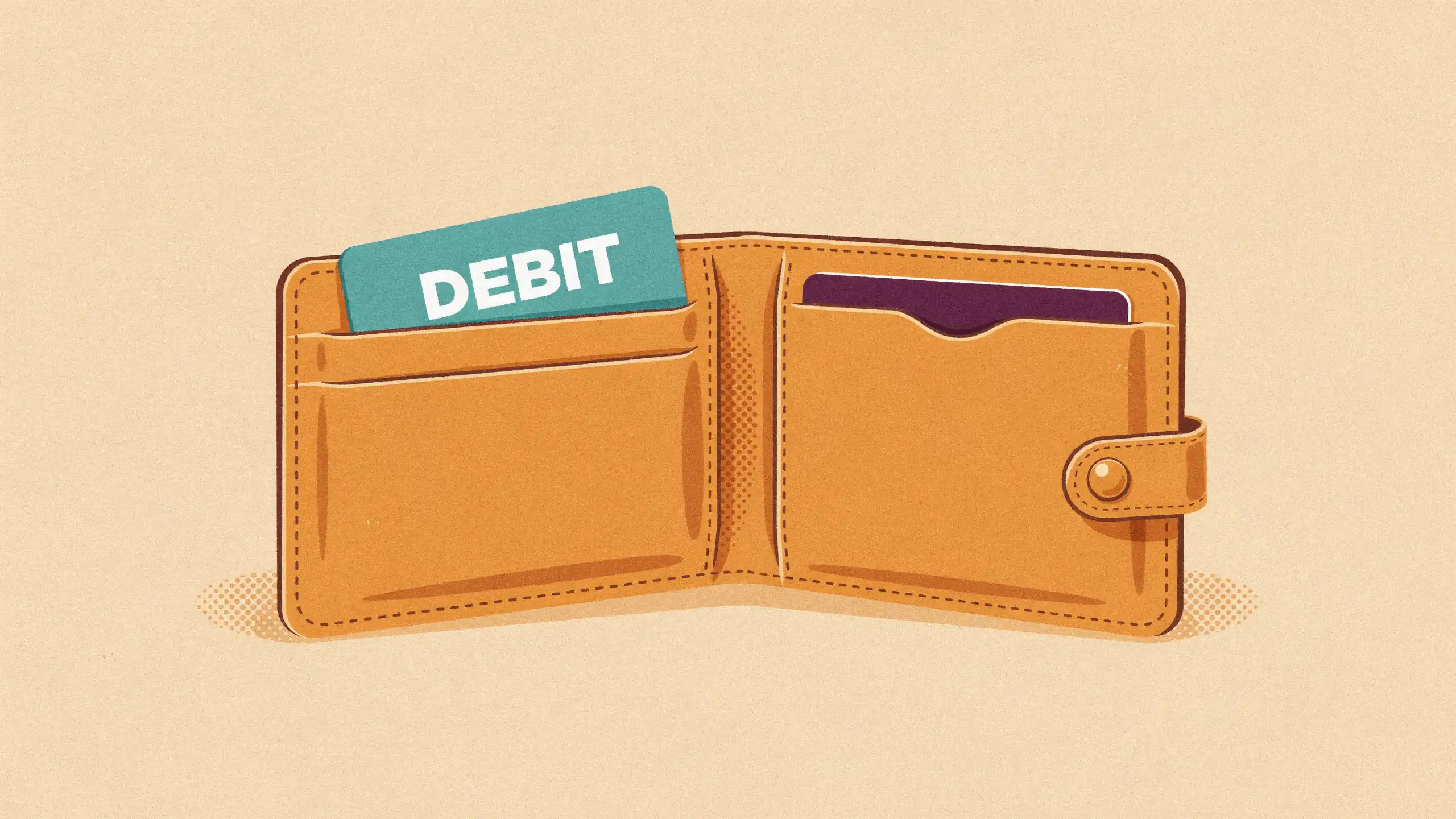

If you carry a credit card balance most months, new purchases collect interest from the day you make them, and that interest soon costs more than any rewards they earn. Switch everyday spending to debit until the balance is gone, then go back to credit once you can pay in full every month.
It’s time to switch if interest shows up on most statements, you pay the minimum or close to it, or your spending rose when your credit limit did.
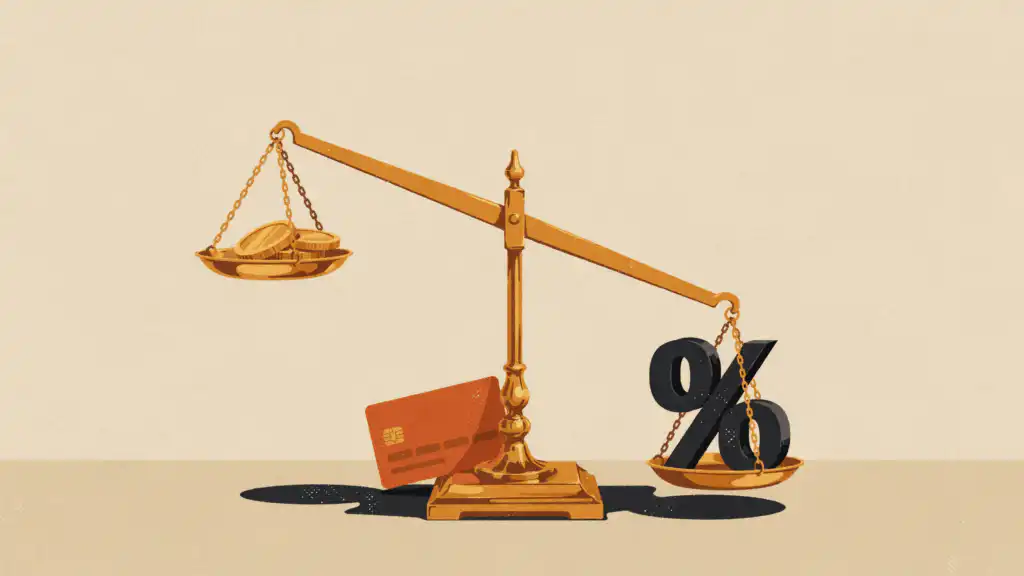
Say your card charges a 22% APR, its yearly interest rate, and pays 2% cash back. Carrying a balance cancels the grace period, the interest-free stretch before your due date, so a $100 grocery run starts collecting interest the day you buy it. That interest runs about $1.83 a month. Two months in, the purchase has cost about $3.70 in interest and earned $2 back, so you’re $1.70 behind.
Switching to debit stops the balance from growing. With your daily spending off the card, every payment shrinks the balance, and the money in checking limits what you can spend.
To step back without hurting your credit:
- Move groceries, gas, and other daily spending to your debit card or cash.
- Keep the card open. Closing it shrinks your total credit limit, which raises the share of your limits you’re using and can lower your credit scores.
- Leave one small bill on it, like a $10 subscription, so the issuer has no reason to close it for sitting unused. At 22%, that bill adds under 20 cents of interest a month.
- Set autopay for a fixed amount above the minimum, so the balance drops every month.
Debit has risks of its own. Tell your bank to turn off overdraft coverage for debit purchases. Then a purchase your balance can’t cover is declined instead of going through with a fee.
Keep a cushion in checking, too. Gas pumps, hotels, and rental car counters can put a hold on more money than you spend, and the hold can last for days. Debit’s fraud protection is also weaker than a credit card’s, so report any strange charge right away.
When the balance hits zero, switch autopay to the full statement balance. After you’ve paid three statements in full, bring everyday spending back to the card.

Editorial & Advertiser Disclosure: The editorial content on this page is not provided, commissioned, reviewed, approved, or otherwise endorsed by any advertiser. Opinions expressed here are ours alone, not those of any advertiser. The offers that appear on this site are from companies that compensate us. That compensation may influence which products we cover and where and how they appear on a page – including the order in which they appear – but it does not influence our evaluations, ratings, or opinions. We do not include every company or offer available in the marketplace.
Related: