
Your credit card may already include coverage you’d otherwise pay extra for. Check your card’s guide to benefits before you buy the rental counter’s damage waiver, a store’s extended warranty, or your carrier’s phone insurance. Then pay with the card that covers you, since the coverage applies only to what you charge to it.
The guide spells out what each benefit pays, what it excludes, and how soon you must file a claim. Coverage differs from card to card and can shrink over time.
In 2018 and 2019, Chase, Citi, and Discover dropped price protection, which refunded the difference when an item’s price fell after you bought it. The Chase Freedom Flex still covers damage to rental cars but lost its cell phone protection on September 20, 2026. So read the current guide for every card you carry. The protections at the end of the list come from federal law, so no issuer can cut them.
Benefits that vary by card
1. Decline the Rental Counter's Damage Waiver If Your Credit Card Covers the Car
Check whether your credit card covers collision damage and theft on rental cars before your next trip. Many cards do, but only if you pay for the whole rental with that card and decline the counter’s damage waiver. Read your card’s benefits guide first to confirm the coverage, then skip the waiver’s daily charge. Read More →
2. Your Credit Card's Purchase Protection Covers What Your Wallet Doesn't
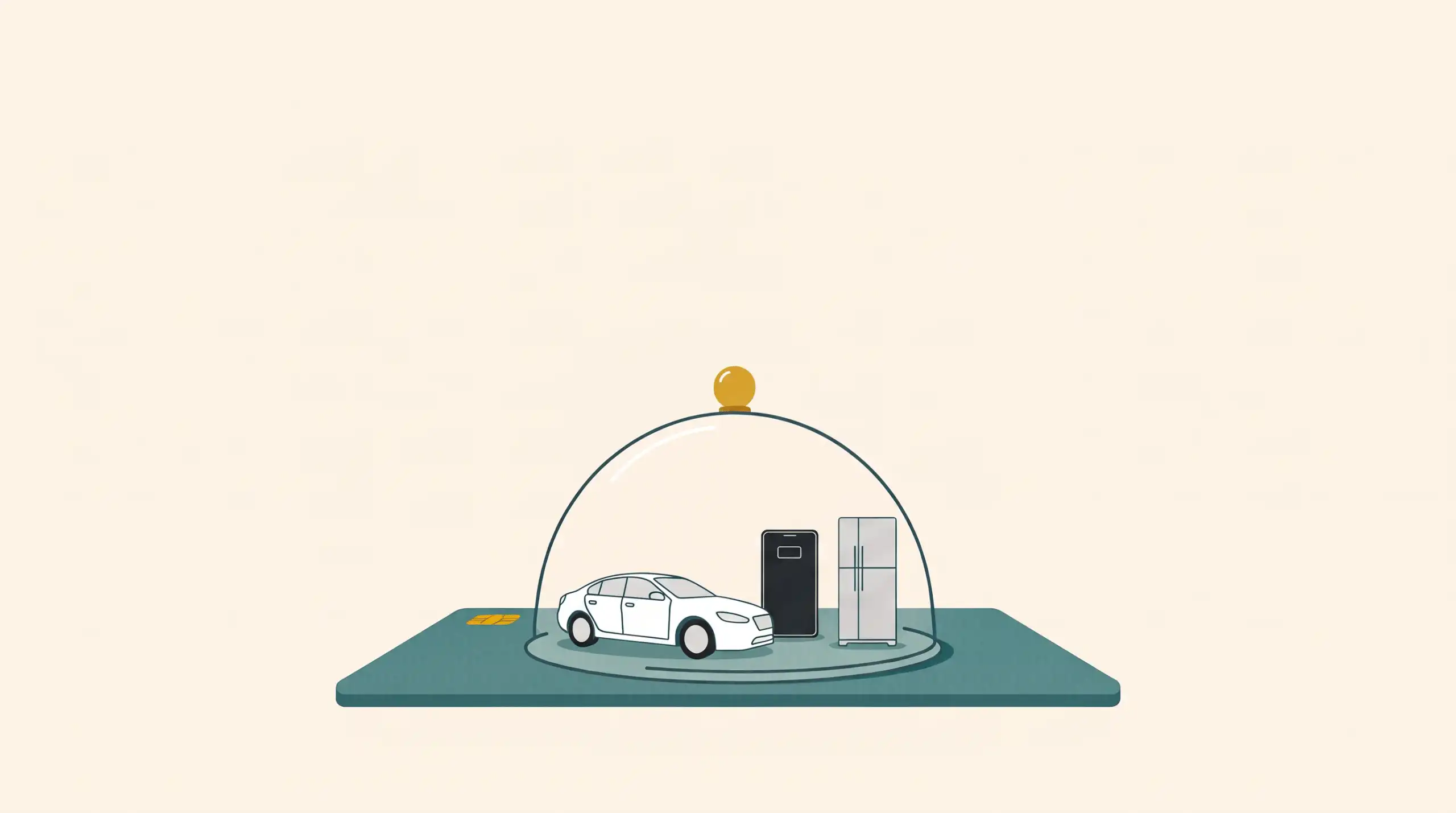
Many credit cards include purchase protection, which typically covers new items against theft and accidental damage for 90 to 120 days after you buy them. When something new breaks or gets stolen, check your card’s guide to benefits before paying to replace it, and file quickly, since claim deadlines are short. Read More →
3. Your Credit Card May Already Extend the Warranty - Check It Before the Store's Plan
Don’t confuse this with purchase protection, the entry above. That benefit covers theft and accidental damage, while this one covers an item that stops working on its own.
Check your credit card’s guide to benefits before you pay for a store’s extended warranty. Many cards add a year to the manufacturer’s warranty at no extra cost on items bought with the card, so the store’s plan can duplicate coverage you already have. Keep the receipt and warranty in case the item breaks. Read More →
4. Your Credit Card Can Insure Your Phone - If It Pays the Bill
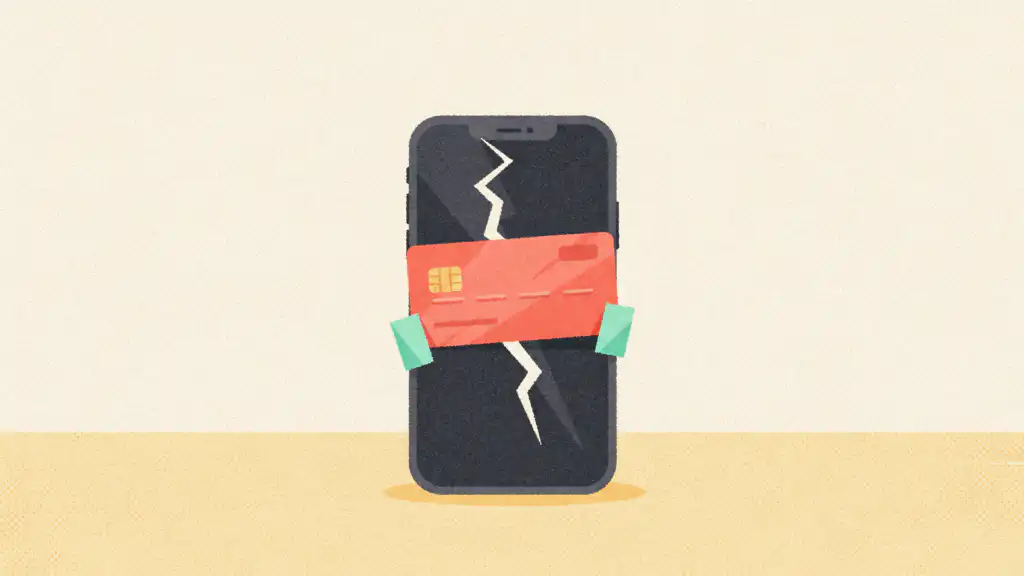
Cell phone protection on many credit cards covers theft and damage to every phone on your wireless bill if that card pays the bill. Check your card’s guide to benefits, move the bill to a card that has it, and drop the carrier’s plan unless you need lost-phone coverage or your phones cost more than the card’s per-claim cap. Read More →
Protections that come from federal law
5. Credit Cards Offer Stronger Fraud Protection Than Debit Cards
Debit card fraud pulls money straight from your checking account, and your bank can take 10 business days to return it. A fraudulent credit card charge is the issuer’s money while you dispute it, and federal law caps your loss at $50. Pay with a credit card you clear each month, and keep debit for the ATM. Read More →
6. Never Got What You Paid For? Dispute the Credit Card Charge Within 60 Days
If your credit card statement shows a charge for something that never arrived, a purchase billed twice, or the wrong amount, federal law makes your card issuer investigate. Send a written dispute early enough to arrive within 60 days of the first statement showing the charge. Read More →

Editorial & Advertiser Disclosure: The editorial content on this page is not provided, commissioned, reviewed, approved, or otherwise endorsed by any advertiser. Opinions expressed here are ours alone, not those of any advertiser. The offers that appear on this site are from companies that compensate us. That compensation may influence which products we cover and where and how they appear on a page – including the order in which they appear – but it does not influence our evaluations, ratings, or opinions. We do not include every company or offer available in the marketplace.
Related: