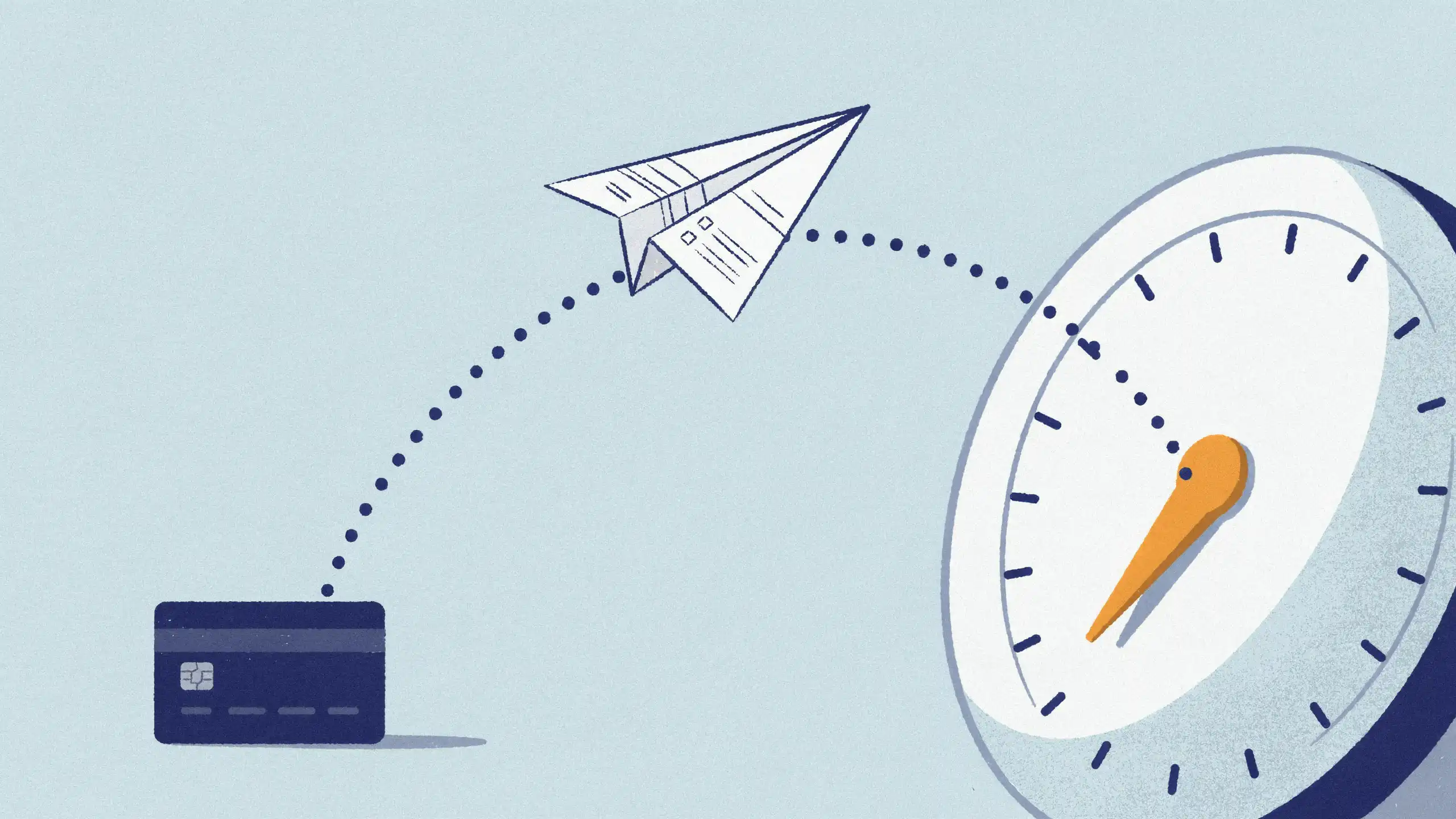

Paying off a credit card usually lifts your credit score, but only once the issuer reports the lower balance to the credit bureaus, typically after your next statement closes. Allow up to two months for the higher score to show, and keep the card open, since closing it can undo part of the gain.
If you check your score the day after paying off the card, expect the same number. Scores are calculated from your credit report, and it shows the old balance until the issuer’s next update, which most issuers send once a month.
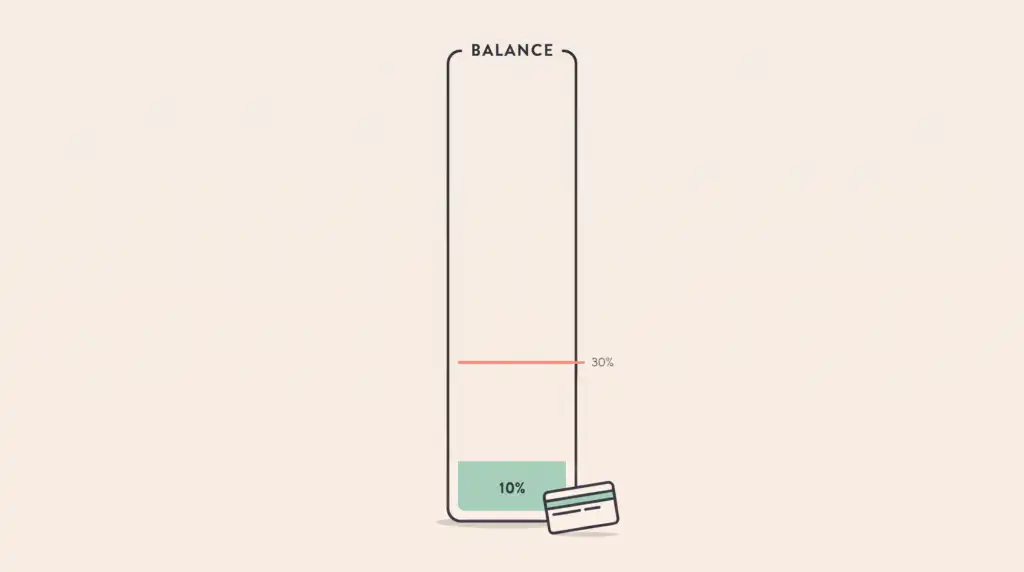
When that update arrives, your credit utilization drops. That’s the share of your card limits you’re using, and it’s one of the biggest factors in a FICO Score. Scoring models look at it on each card and across all your cards.
Pay a $4,000 balance on a $5,000 limit down to zero, and that card’s utilization goes from 80% to 0%. If it’s your only card, your overall utilization also goes from 80% to 0%, which can mean a big jump in your score.
Balances on other cards limit how far your score climbs, including debt you moved onto another card to pay this one off. Say you also have a second $5,000 card carrying $2,000. The payoff then takes your overall utilization from 60% to 20%, and that second card still shows 40%.
Three other things can hold your score down after a payoff:
- A hard inquiry, the credit check a lender runs when you apply, like one for a loan that paid this card off. FICO says a single inquiry costs most people fewer than five points and stops counting after a year.
- Late payments from before the payoff, which stay on your credit report for seven years.
- Closing the card, which removes its limit from your total available credit and raises utilization on any balances left elsewhere.
Starting the week after your next statement closes, check your credit reports for the card’s new balance. You can pull them free every week at AnnualCreditReport.com.
If the old balance is still on a report two months after the payoff, dispute it with that credit bureau and with your card issuer.

Editorial & Advertiser Disclosure: The editorial content on this page is not provided, commissioned, reviewed, approved, or otherwise endorsed by any advertiser. Opinions expressed here are ours alone, not those of any advertiser. The offers that appear on this site are from companies that compensate us. That compensation may influence which products we cover and where and how they appear on a page – including the order in which they appear – but it does not influence our evaluations, ratings, or opinions. We do not include every company or offer available in the marketplace.
Related: