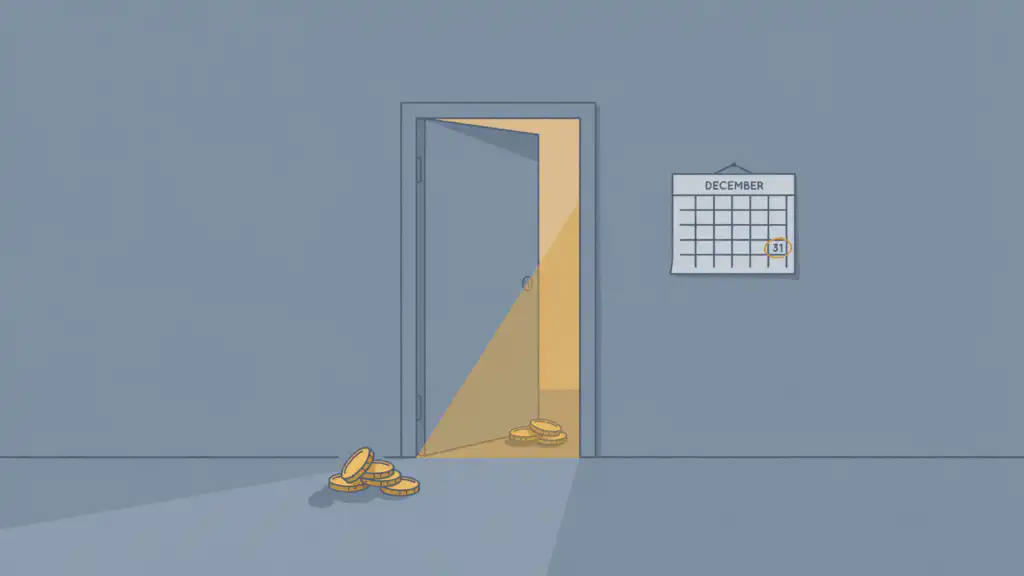

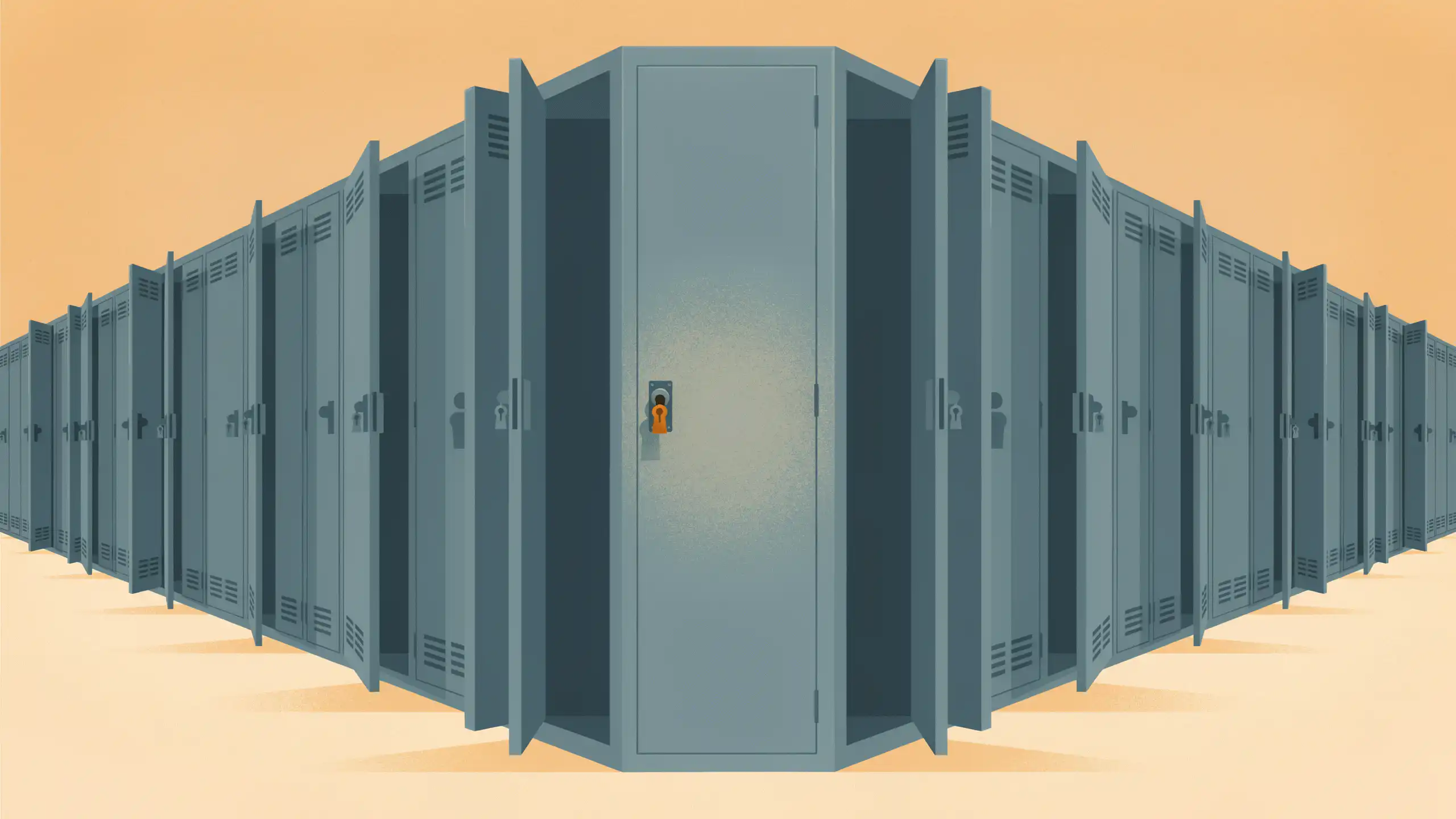

A 401(k) you left at an old job doesn’t follow you, and a small one may already have been moved into an IRA you never opened. Search the Labor Department’s lost-and-found database or call your old plan, then move what you find with a direct rollover, never a check made out to you.
An old plan’s statements go to whatever address it last had, so one move is enough to lose track of the account. The plan also doesn’t have to keep holding a small balance.
If yours was $7,000 or less, the plan can push it out without your consent. Above $1,000, it goes into an IRA the plan opens in your name. At $1,000 or less, it can be mailed to you as a check.
That IRA isn’t built to grow. The Labor Department’s rules for these accounts call for an investment designed to preserve principal, and the provider can charge its usual IRA fees. Over 30 years and before fees, $5,000 earning a hypothetical 3% a year would grow to about $12,100. Invested for growth at a hypothetical 7%, it would reach about $38,000.
Here’s where to look, in order.
- The Labor Department’s Retirement Savings Lost and Found database at lostandfound.dol.gov. Sign in through Login.gov and it lists the private-sector workplace plans tied to your Social Security number, with each administrator’s contact information. It can’t find IRAs.
- The administrator, which confirms your balance, or your old employer’s HR department. Have an old statement or W-2 handy and ask where the money is now.
- MissingMoney.com, a free search of most states’ unclaimed property programs, if the money went out as a check or into an IRA. State law can require an unclaimed IRA to be turned over to the state.
Leaving the money in the old plan is fine if its funds are low-cost and you’ll keep tabs on it. Otherwise, roll it into your current 401(k), if it takes rollovers, or an IRA you choose, and ask for a direct rollover. From the old plan, a check made out to you arrives with 20% withheld. You have 60 days to deposit the full balance, and the withheld 20% has to come out of your own pocket. Whatever you don’t replace is taxed, plus a 10% penalty if you’re under 59½ and no exception applies.
Every time you change jobs, decide where the old 401(k) goes before your last day.
For an IRA rollover, compare the best places to open an IRA.

Editorial & Advertiser Disclosure: The editorial content on this page is not provided, commissioned, reviewed, approved, or otherwise endorsed by any advertiser. Opinions expressed here are ours alone, not those of any advertiser. The offers that appear on this site are from companies that compensate us. That compensation may influence which products we cover and where and how they appear on a page – including the order in which they appear – but it does not influence our evaluations, ratings, or opinions. We do not include every company or offer available in the marketplace.
Related: