
Before you open a high-yield savings account, compare the rate your balance will still earn six months from now, not the one advertised. Read the bank’s fine print for a boost that ends, a balance tier or cap, monthly conditions, fees, and limits on getting your money out.
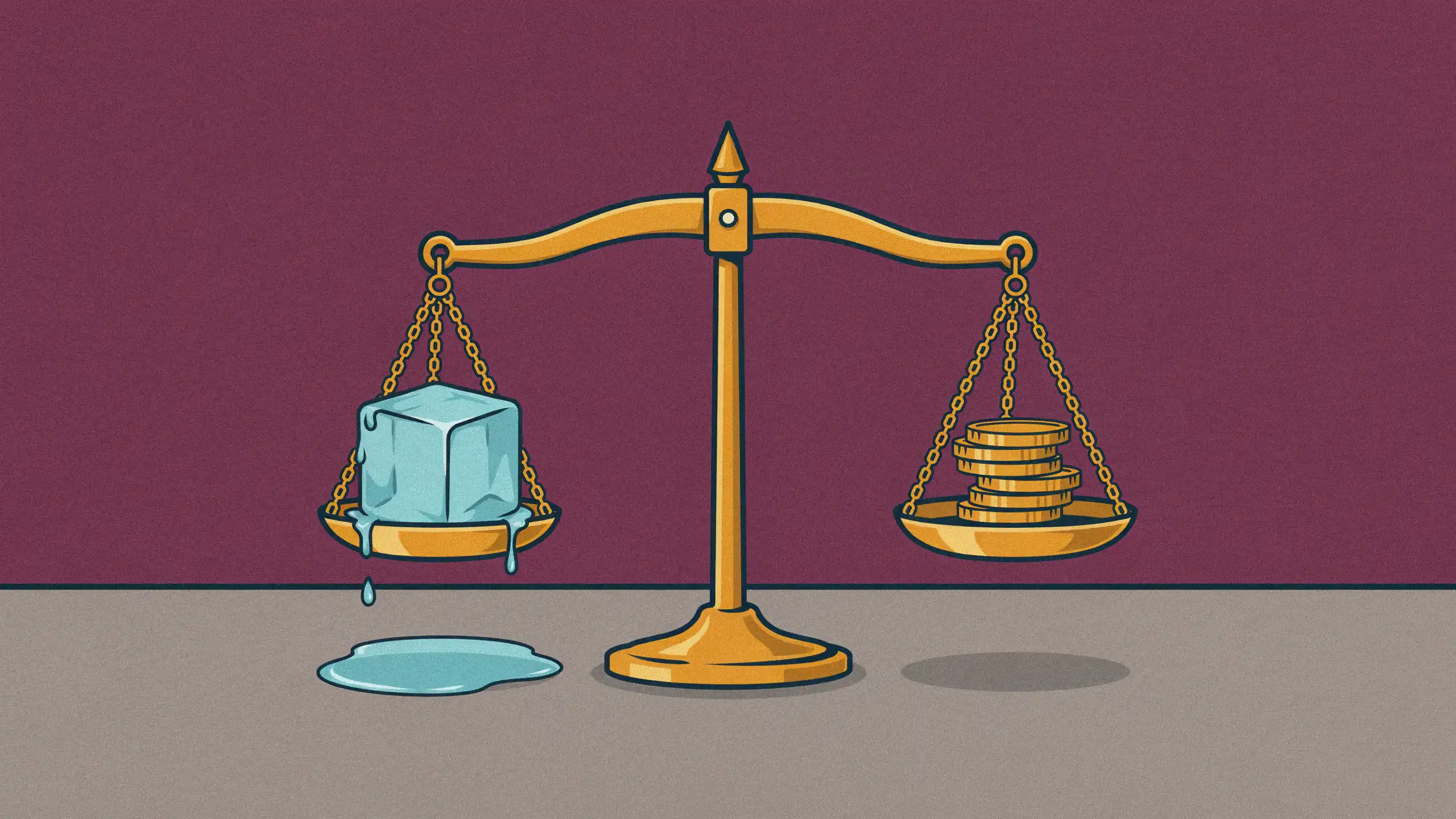
When one bank’s “up to” rate tops another’s plain rate, the fine print explains the gap. The higher number is the bank’s best case, and your balance may earn it for only a few months, or not at all.
Take two sample accounts, each holding $10,000 for a year, with the interest left in. Each rate is an APY, the annual percentage yield, which includes the interest your interest earns. One pays 4.35% for six months and 4.00% after, and earns about $417 in the first year. The other pays a plain 4.40% and earns $440.
In a rate table, 4.35% and 4.40% look like a tie. After the boost, the plain account’s 4.40% earns about $40 a year more on $10,000 than the other’s 4.00%, and more on a bigger balance.
Federal Truth in Savings rules require a bank’s online ad that quotes an APY to state any minimum balance needed to earn it. Read these five terms on the rate page and in the account’s disclosures before you compare high-yield savings accounts.
- Whether the rate is the standard one or a boost from a new-customer offer, a promo code, or a referral, and what it drops to afterward.
- The tier your balance falls in, since some accounts pay their top rate only above a minimum or up to a cap.
- What you must do each month to earn that rate, such as a direct deposit, a minimum deposit, or spending on the bank’s card, and the lower rate it pays in a month you don’t.
- The opening deposit, any monthly fee, and what waives the fee.
- How you get money out, including whether transfers to your other bank are free and how many a month the bank allows.
Last, search for the bank on the FDIC’s BankFind, or for a credit union on the NCUA’s Credit Union Locator, to confirm your deposits are federally insured. Money in an app that isn’t a bank is insured only through its partner bank, so search for that bank instead.
Start your short list with the best high-yield savings accounts.


Subscribe and we'll send you 101 Essential Money Tips to get you started.
The 101 money moves that matter most, from the foundations to protecting what you’ve built.
Advertiser Disclosure: Many or all of the offers that appear on this site are from companies that compensate us, and some companies pay for sponsored content. That compensation may influence which products we cover and where and how they appear on a page, including the order in which they appear. We do not include every company or offer available in the marketplace.