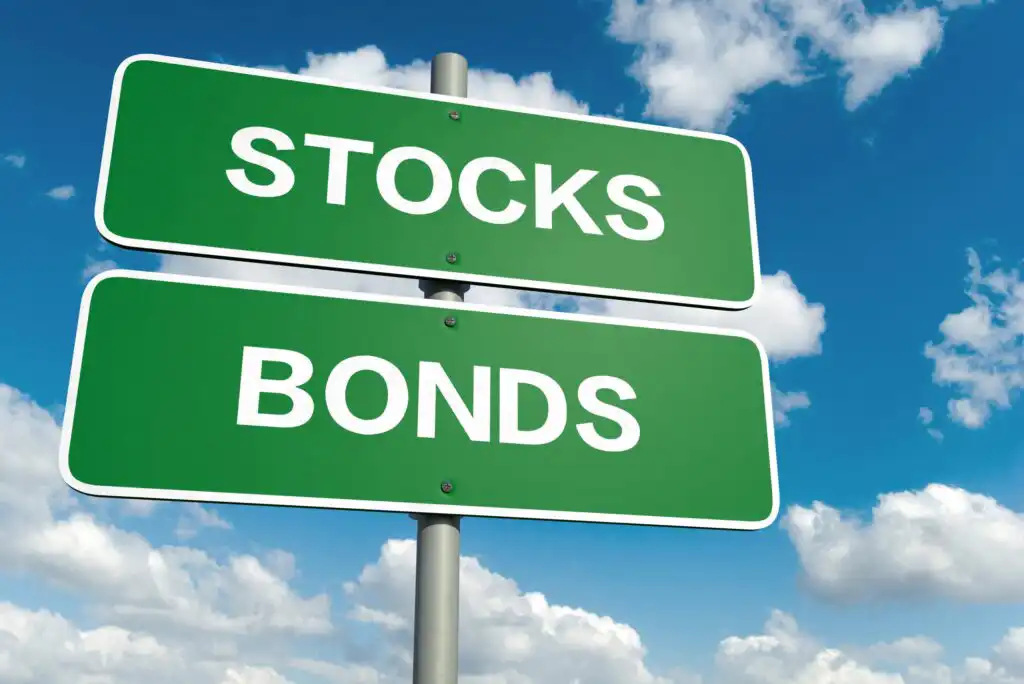

Nearly every investment makes you an owner or a lender. Owning stocks or property can grow your money but can fall hard, while lending through bonds and bank CDs pays interest and swings less. Before you buy anything, name which one it is and what would make it lose value.
A product’s name won’t always tell you which one you’re buying. A brokerage menu or a sales pitch can list dozens of choices, and sorting each into owning or lending shows what it can do for you and how it can lose your money.
As an owner, your money rises and falls with what you own, so there’s no cap on your gain, and you can lose everything you paid. As a lender, you’re owed interest and your money back, so your return is mostly that interest. You lose if the borrower can’t pay, and your money buys less over time if prices climb faster than your interest.
Funds don’t add a third group. A fund bundles many stocks, many loans, or both, so it does the job of what it holds and carries the same risks.
These make you an owner, and their main job is growth.
- Stocks, shares of one company, are for growth. They fall when the business does badly or the whole market drops, and if the company fails, shareholders are repaid last.
- Real estate you buy, a home or a rental property, is for growth, and a rental also pays income. It loses money when local prices fall or a rental sits empty, and it can take months to sell.
- Gold and bitcoin earn only through price gains, since neither pays you anything to hold it. Any change in price is your whole return, and prices can fall as easily as they rise.
These make you a lender. Their job is income and safety, and their value usually swings less than ownership’s.
- Savings and money market accounts are loans to your bank, for safety. FDIC insurance covers them up to a legal limit if the bank fails, so your main risk is prices rising faster than their interest.
- CDs, certificates of deposit, are loans to a bank for a set term at a set rate, for safety. They’re insured the same way, but inflation can outpace their rate, and cashing out early usually costs a penalty.
- Treasury bills, notes, and bonds are loans to the U.S. government, among the safest investments. Bills, due within a year, are for safety, while notes and bonds pay income but lose market value when interest rates rise.
- Corporate and municipal bonds are loans to companies, states, or cities, for income. You lose if the borrower can’t pay, so bonds with a lower credit rating, a grade of how likely repayment is, pay more interest.
These are funds, which bundle many of the investments above, and holding many investments at once limits the damage when one fails.
- Stock funds, including index funds that follow a set list of stocks such as the S&P 500, are for growth. They fall when the whole market does.
- Bond funds hold many loans, for income. They lose value when interest rates rise or when the borrowers behind them miss payments.
- Target-date funds, built for a goal with a set year such as retirement, hold stocks and bonds. They shift from mostly stocks toward bonds as that year nears, so they fall hardest in the early years.
- Money market funds hold short-term loans and cash, for safety, and most aim to keep each share at $1. Unlike a bank’s money market account, they aren’t FDIC-insured and can lose money.
A mutual fund and an exchange-traded fund (ETF) differ in how you buy and sell them, not in what they can hold.
Options and other derivatives, contracts tied to another investment’s price, fit neither group. An option is a contract that lets you buy or sell an investment at a set price by a set date. It’s a bet on where the price goes. A buyer loses everything paid if the option expires worthless, and a seller’s losses can be unlimited.
Naming the group and what makes it lose value matters most with a product you can’t place. Say you’re offered a note paying a “guaranteed” 9%. A note is a loan, a company’s written promise to pay you back, so it sits with the lenders. But if it’s a loan to one small company with no credit rating, you could lose all of it if that company fails, a risk more like owning a stock than lending to a bank. The Securities and Exchange Commission (SEC) warns that notes like this, sold widely to individual investors, are often scams.
A loan’s interest rate is the quickest clue to its risk. When it pays far more than Treasuries or insured CDs of the same length, the extra interest is the borrower paying you to accept a bigger chance of losing your money.
Then match the group to the job and the timeline. Large-company stocks as a group have lost money in about one of every three years, on average, the SEC’s guide to asset allocation says, so ownership suits money you won’t touch for years. Money you’ll need within a few years belongs on the lending side, where savings, CDs, and Treasury bills rarely lose money.
Buy stocks, bonds, or funds for a goal through one of the best online brokers.

Editorial & Advertiser Disclosure: The editorial content on this page is not provided, commissioned, reviewed, approved, or otherwise endorsed by any advertiser. Opinions expressed here are ours alone, not those of any advertiser. The offers that appear on this site are from companies that compensate us. That compensation may influence which products we cover and where and how they appear on a page – including the order in which they appear – but it does not influence our evaluations, ratings, or opinions. We do not include every company or offer available in the marketplace.
Related: