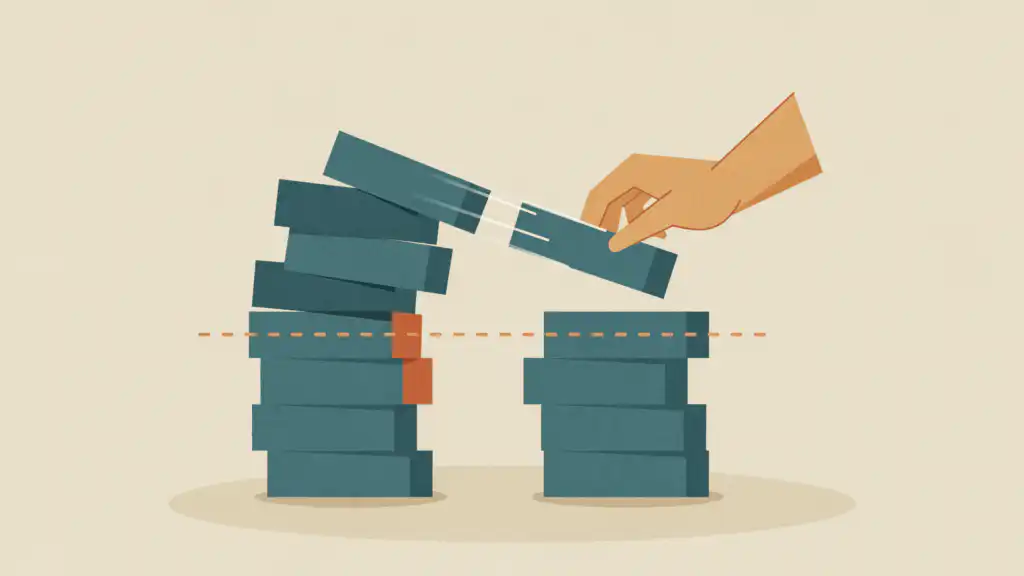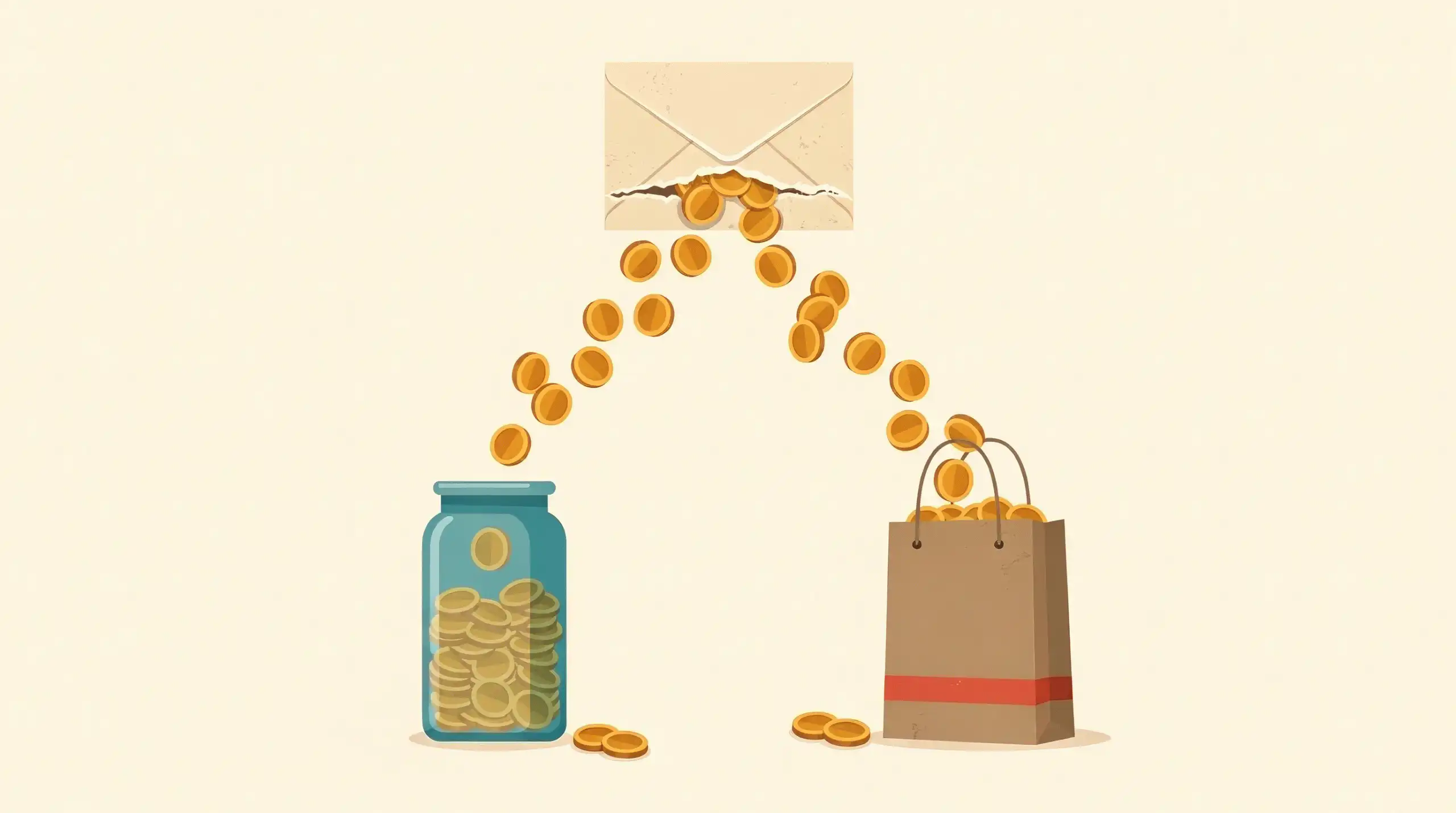

Lifestyle creep quietly turns each raise into higher spending, and once you’ve lived on that money, saving it feels like a pay cut. Beat it before the first bigger paycheck arrives by sending half the raise to your 401k or savings automatically. Spend the other half guilt-free.
Compare what you earn today with what you earned five years ago, then do the same with what you save each month. If the first number grew and the second barely moved, the raises didn’t vanish. They became a nicer apartment and a newer car, one reasonable upgrade at a time.
The fix is timing. A raise is the easiest money you’ll ever save because you haven’t lived on it yet. Redirect it before the first bigger paycheck and you give up nothing you’re used to having. Wait a few months and the same move feels like a pay cut.
Economists Richard Thaler and Shlomo Benartzi built a retirement program on that idea. In their Save More Tomorrow study, employees who had just turned down advice to save more agreed instead to send part of each future raise to their retirement plan. Their average savings rate rose from 3.5% of pay to 13.6% in 40 months.
In the 22% federal bracket, a $5,000 raise adds about $290 a month to your take-home pay before state tax. Spent, it becomes a bigger car payment. Invested every month for 20 years at a 7% average annual return, it grows to roughly $150,000.
You don’t have to save all of it. Save half and spend half, and you still feel the raise while the saved half grows to about $76,000 over the same 20 years.
The 401k is the easiest place to do it. Before the first paycheck at your new pay, raise your contribution by half your raise percentage, so a 4% raise means contributing 2 more percentage points. Traditional contributions come out before income tax, so your take-home pay still rises. If you’d rather build cash, set an automatic transfer to savings on payday for half the after-tax increase.
Set it up the day the raise is announced, and repeat it at every raise after. Each one pushes your savings rate higher without your take-home pay ever going down.

Editorial & Advertiser Disclosure: The editorial content on this page is not provided, commissioned, reviewed, approved, or otherwise endorsed by any advertiser. Opinions expressed here are ours alone, not those of any advertiser. The offers that appear on this site are from companies that compensate us. That compensation may influence which products we cover and where and how they appear on a page – including the order in which they appear – but it does not influence our evaluations, ratings, or opinions. We do not include every company or offer available in the marketplace.
Related: