

Your card issuer usually reports the balance on your statement closing date to the credit bureaus, so a card you pay in full every month can still show a big balance. Pay most of it a few days before the statement closes, and your credit report shows a fraction of what you spent.
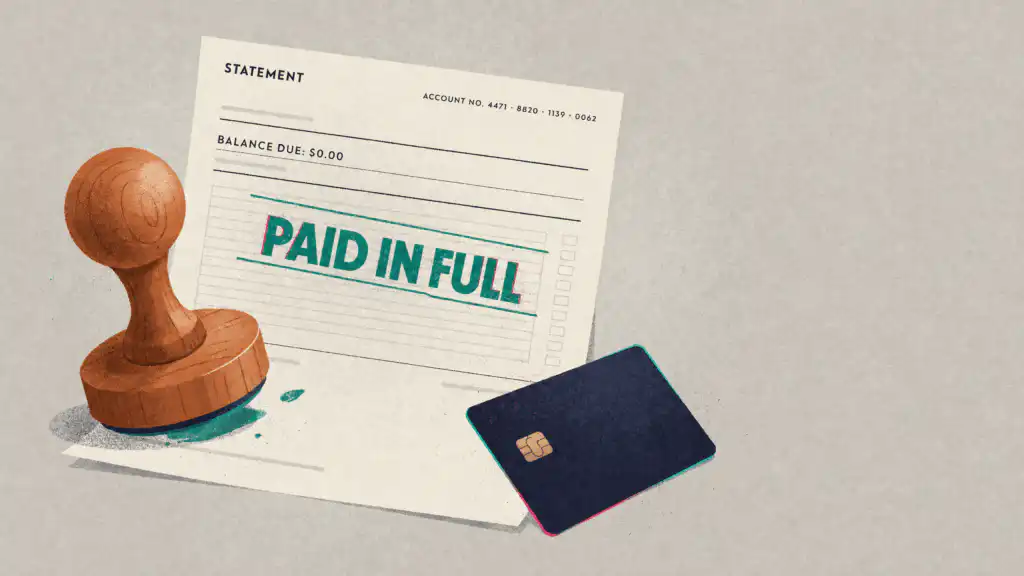
Paying on the due date clears the debt, but by then your issuer has usually reported the full statement balance. That’s how someone who has never paid a cent of interest can check their credit before a car loan and find a card reporting more than half its limit in use.
A card bill has two dates that do different jobs. The closing date ends the billing cycle and sets your statement balance, and myFICO says that’s generally the balance your credit report shows. The due date is your deadline to pay, and Experian says it often falls 21 to 25 days later.
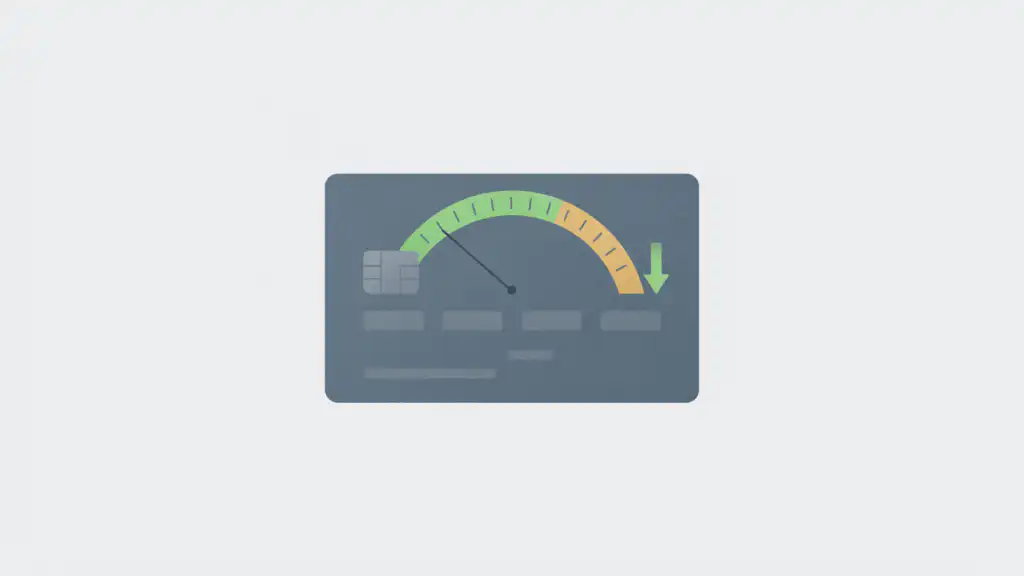
Take a card with a $5,000 limit and $3,000 of charges a month. Paid in full on the due date, it reports $3,000, or 60% of the limit, every month. Pay $2,700 a few days before the statement closes, and the same card reports $300, or 6%. You pay the same $3,000 either way. Most of it just leaves your account a few weeks sooner.
Find each card’s closing date on its statement, in the issuer’s app, or in your online account. Pay most of the balance a few days before that date. An online payment can post the same day, but a weekend, a holiday, or a transfer from another bank can hold it up. Then pay what’s left on the statement by the due date. For how low to aim, see our tip on how much of your credit limit to use.
Start paying early a month or two before you apply for a mortgage or car loan. Most issuers report once a month, so the head start gives every card a low balance on file before a lender checks your credit. The Consumer Financial Protection Bureau says your credit report and score decide whether you get a mortgage and the rate you pay.
Treat the closing date as the deadline for the balance you want on your credit report, and the due date as the deadline for the rest.

Editorial & Advertiser Disclosure: The editorial content on this page is not provided, commissioned, reviewed, approved, or otherwise endorsed by any advertiser. Opinions expressed here are ours alone, not those of any advertiser. The offers that appear on this site are from companies that compensate us. That compensation may influence which products we cover and where and how they appear on a page – including the order in which they appear – but it does not influence our evaluations, ratings, or opinions. We do not include every company or offer available in the marketplace.
Related: