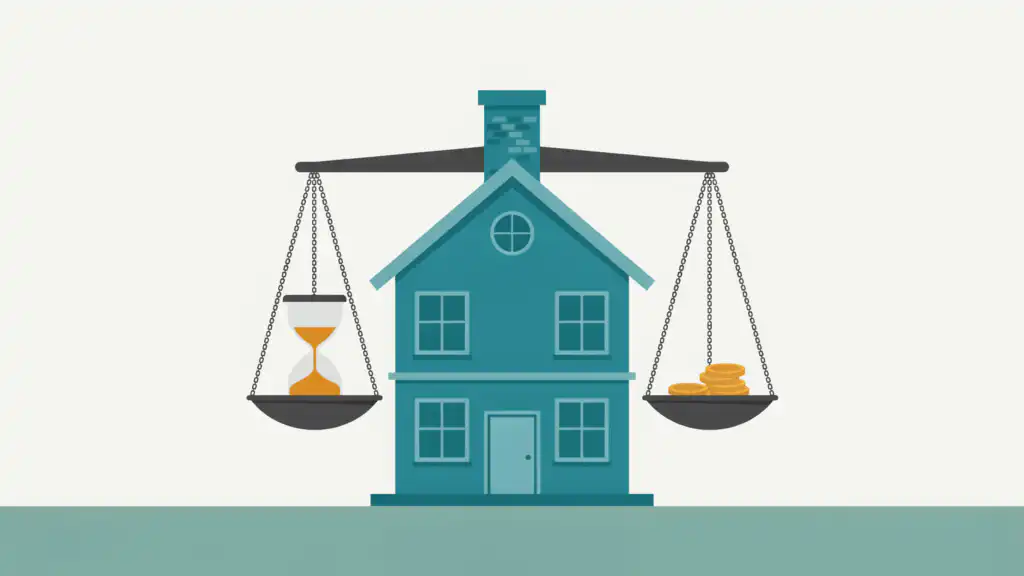

Run a rental’s numbers yourself before you offer: what it nets each month after every expense and the mortgage, what you earn on the cash you put in, and how well its income covers the loan. The 1% rule, monthly rent at 1% of the price, only tells you which listings deserve that math.
A rental can pass the 1% rule and still leave you almost nothing each month. A listing’s projected return uses someone else’s assumptions, not yours.
Say a $210,000 house rents for $2,100, exactly 1% of its price. Taxes, insurance, repairs, savings for big replacements like a roof, and rent lost to empty months come to $9,600 a year. You put down 20%, or $42,000, pay $6,000 in closing costs, and borrow the other $168,000 on a 30-year investment-property loan at 8%.
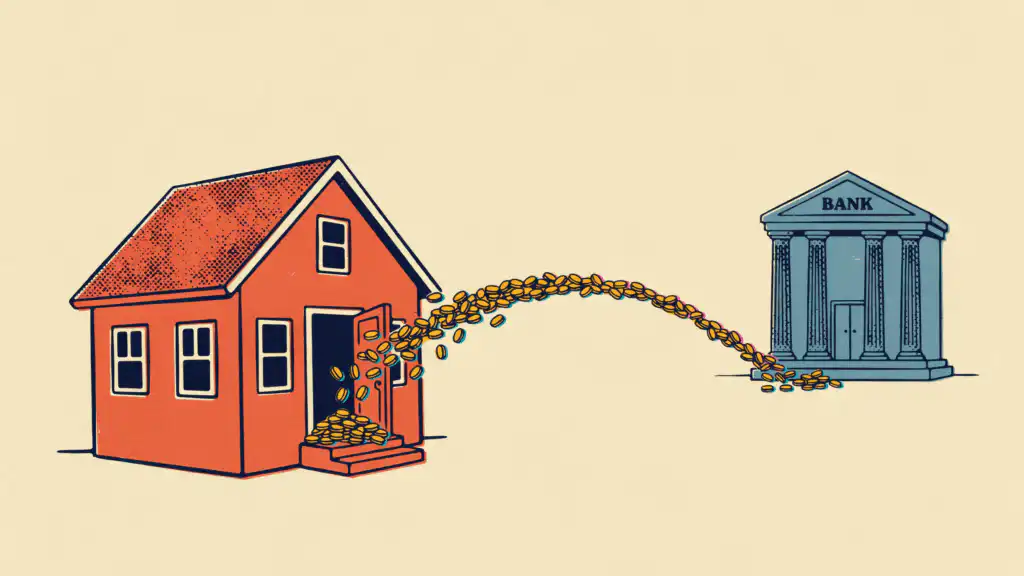
A year’s rent minus every cost but the mortgage is the net operating income, here $15,600. Divide it by the price for the cap rate, 7.4%. The $1,233 monthly loan payment leaves $67 a month of cash flow, or $807 a year, which is a 1.7% cash-on-cash return on the $48,000 you put in. Many lenders check a version of the debt service coverage ratio, net operating income divided by a year of loan payments, and here it’s 1.05, barely above the 1.0 at which the income just covers the loan. Pay a property manager 8% of the rent, and you lose $101 a month.
Before you offer, swap each of the listing’s assumptions for your own:
- Rent from similar rentals listed nearby
- Property taxes from the county’s records, figured on your purchase price
- A quote for landlord insurance
- A monthly reserve for repairs and for replacing the roof, furnace, and water heater
- A property manager’s fee, if you’ll hire one
- A lender’s quote for an investment-property loan
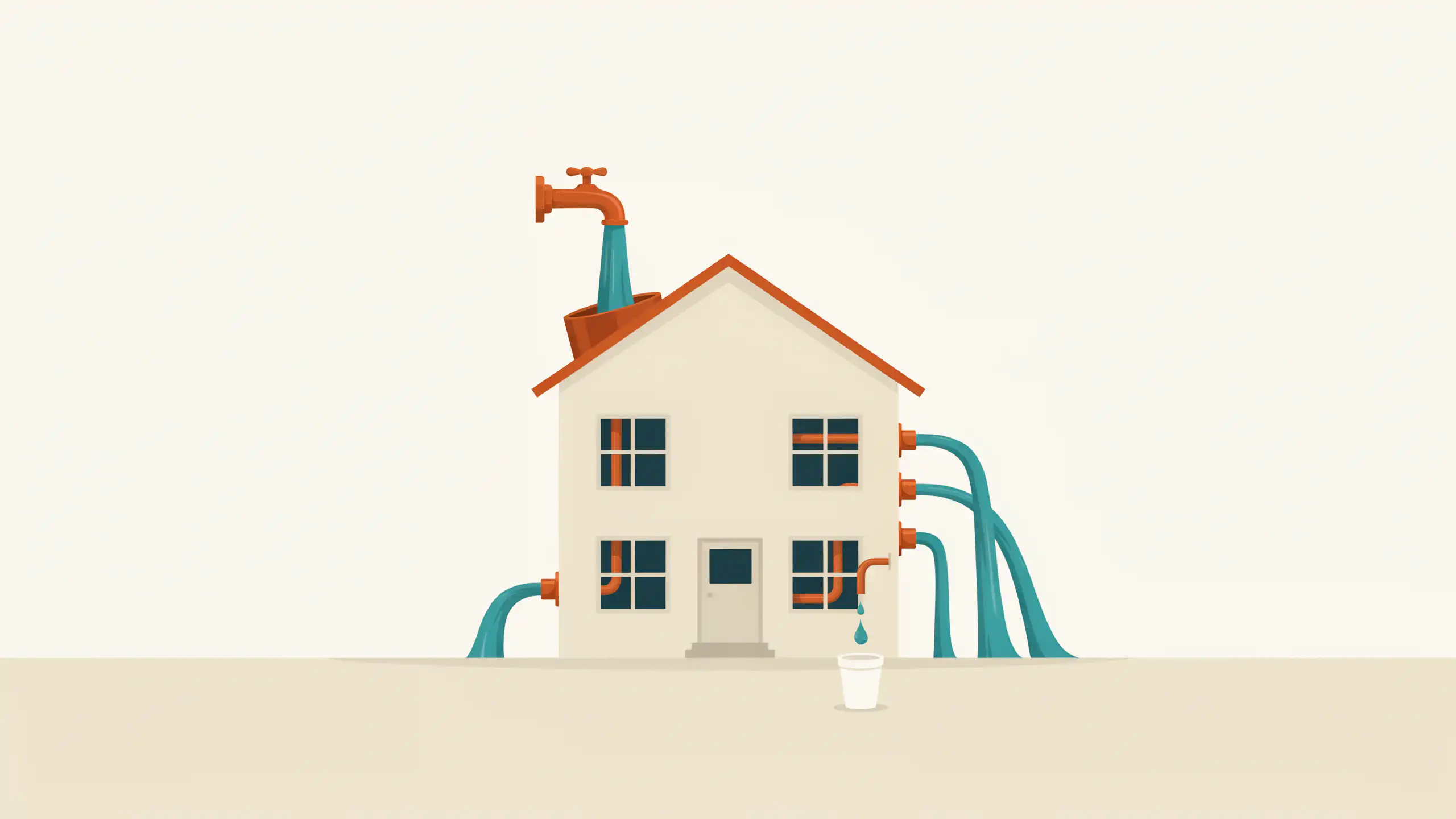
Compare your total with the 50% rule, which puts every cost but the mortgage at about half the rent. A total far below half the rent is a sign you missed a cost.
Last, rerun the cash flow with an extra month empty, with rent 10% lower, and with a new roof in year one. Offer no more than the price at which the cash flow stays above zero in the first two cases, and keep enough cash on hand to replace the roof.


Subscribe and we'll send you 101 Essential Money Tips to get you started.
The 101 money moves that matter most, from the foundations to protecting what you’ve built.
Advertiser Disclosure: Many or all of the offers that appear on this site are from companies that compensate us, and some companies pay for sponsored content. That compensation may influence which products we cover and where and how they appear on a page, including the order in which they appear. We do not include every company or offer available in the marketplace.