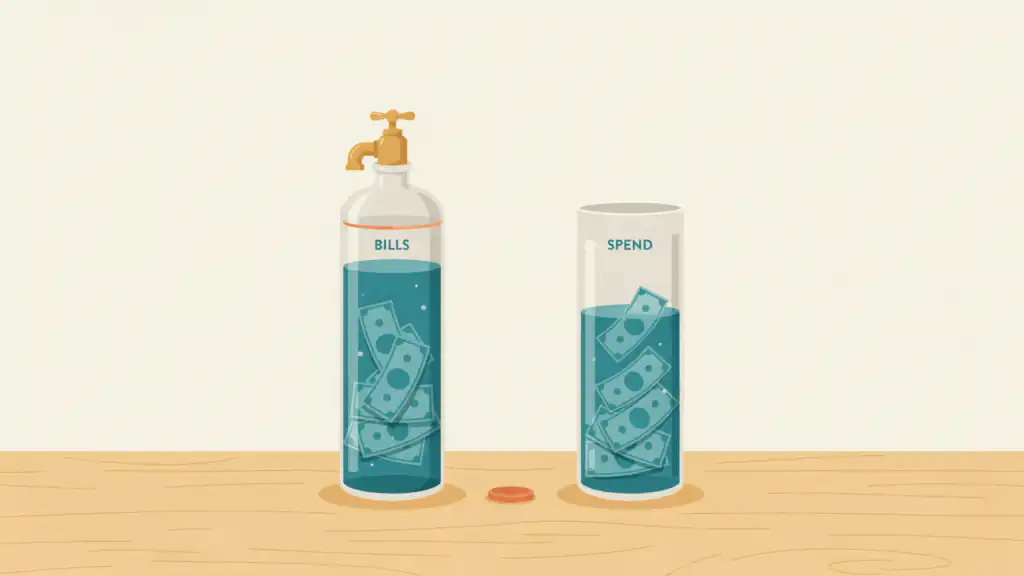



A health savings account lets your money skip federal tax going in, growing, and coming out when you spend it on medical care. If your health plan qualifies, fund it every year, invest the balance, and pay small medical bills out of pocket so the account keeps compounding.
No 401(k), IRA, or 529 college savings plan does all three. A traditional 401(k) taxes what you take out, and a Roth IRA or 529 plan gives no federal deduction for what you put in.
Most owners keep the balance in cash or spend it. In the Employee Benefit Research Institute‘s database of 15.2 million HSAs, only 18% of account holders invested their balance in 2024, and more than half made withdrawals.
Unspent money carries over year after year and stays yours when you change jobs. Invested, it can grow for decades, and none of that growth owes federal tax if it eventually pays for medical care. California and New Jersey still tax HSA contributions and earnings.
So pay today’s medical bills from checking if you can, and save every receipt. The IRS sets no time limit on reimbursing yourself tax-free for qualified expenses you had after opening the account, as long as you keep the records.
Contribute through payroll if your employer offers it. Those contributions also skip Social Security and Medicare taxes, a break you lose by depositing on your own and deducting it later. Aim for the annual IRS limit. Invest whatever you won’t need soon in a low-cost fund, or move the balance to an HSA provider that offers one.
At 65, the 20% penalty on non-medical withdrawals disappears. Spending on anything else is then taxed like a traditional IRA withdrawal, while medical spending stays tax-free.
To contribute, you need a high-deductible health plan and no other health coverage, and you can’t be on Medicare or be claimed as someone’s dependent. A spouse’s health care flexible spending account counts as other coverage when it can pay your medical bills. Since Jan. 1, 2026, the Affordable Care Act’s bronze and catastrophic plans for individuals also qualify as high-deductible plans, even if they don’t meet the usual rules.
If your plan qualifies, fund the HSA right after you capture any 401(k) match.
If you’re choosing where to open or invest your HSA, compare the best HSA providers.

Editorial & Advertiser Disclosure: The editorial content on this page is not provided, commissioned, reviewed, approved, or otherwise endorsed by any advertiser. Opinions expressed here are ours alone, not those of any advertiser. The offers that appear on this site are from companies that compensate us. That compensation may influence which products we cover and where and how they appear on a page – including the order in which they appear – but it does not influence our evaluations, ratings, or opinions. We do not include every company or offer available in the marketplace.
Related: