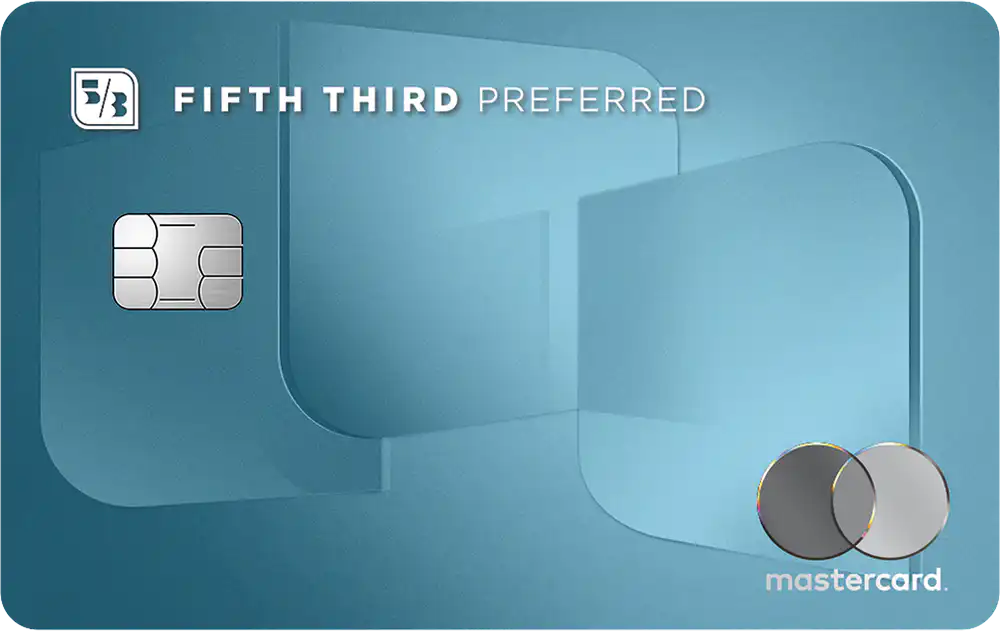

Start with a no-fee flat 2% cash back card such as the Citi Double Cash, which pays about $480 a year on $2,000 a month. Switch to a card that pays more in one category only when a large share of your spending goes there. Either way, pay in full, since balances charged interest average over 22% a year.
The average rate on bank credit card accounts that were charged interest was 22.36% in the third quarter of 2026, by the Federal Reserve’s preliminary figures. A dollar left unpaid for a year at that rate costs more than 22 cents in interest, several times what any of these cards pays back on it. So every pick assumes you pay the full balance each month.
Every yearly figure below is for one sample household, which puts $2,000 a month on the card: $500 on groceries at supermarkets, $300 at restaurants, $200 on gas, $300 on utility and phone bills, and $700 on everything else. The figures subtract any annual fee and leave out welcome offers. Each pick is the strongest of its kind on its rates, spending caps, payout rules, sign-up offer, and 0% interest period taken together.
One rate on everything
Best overall: Citi Double Cash® Card
The sample household collects about $480 a year with no categories to track and no cap, more than most category cards on this list pay on a budget this spread out.
- What Sets It Apart: 2% on everything, half when you buy and half when you pay; 18 months at 0% on balance transfers
- Welcome Offer: $200 bonus after $1,500 in purchases in 6 months
- Rewards: 5 points per $1 on Citi Travel hotels, car rentals, and attractions; 1% on each purchase plus 1% when you pay for it; points worth 1 cent each as cash
- Features: Cash redemptions in any amount, by statement credit or direct deposit
- Annual Fee: $0
- Intro APR: 0% interest for 18 months from account opening on balances transferred in the first 4 months
- APR: 18.49% to 28.74% variable
- Cost: 3% balance transfer fee ($5 minimum) in the first 4 months, then 5%; 3% foreign purchase fee
- Pros: No categories or caps; long balance transfer intro
- Cons: No intro APR on purchases; 3% foreign purchase fee; purchases accrue interest while a transferred balance remains
For more information, read our full Citi Double Cash® Card Review.
Groceries
Most cards’ grocery rates leave out Walmart and Target, so where a household buys its groceries decides which of the best credit cards for groceries pays it most.
Best for big grocery bills: Blue Cash Preferred® Card from American Express
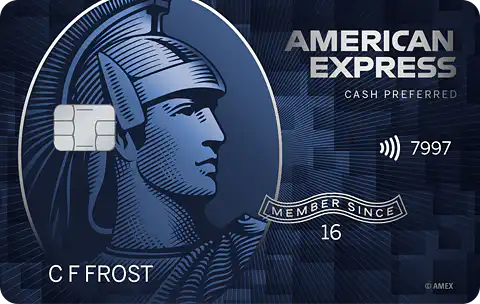
On the sample budget it pays about $493 a year after its $95 annual fee, which starts in year two, and it tops a flat 2% card once supermarket spending passes about $480 a month.
- What Sets It Apart: 6% on U.S. groceries, up to $6,000 a year, and on select U.S. streaming
- Welcome Offer: Up to $300 back after $3,000 in purchases in the first 6 months; your amount shown before you accept
- Rewards: 6% back on the first $6,000 spent each year at U.S. supermarkets (then 1%) and on select U.S. streaming subscriptions; 3% at U.S. gas stations with no yearly cap; 3% on transit, rideshare included, with no cap
- Features: Up to $10 a month back on Disney+, Hulu, or ESPN with enrollment
- Annual Fee: $0 intro the first year, then $95
- Intro APR: 0% for 12 months on purchases and on balance transfers requested in the first 60 days
- APR: 19.74% to 28.74% variable
- Cost: Balance transfer fee 3% (min. $5); 2.7% foreign transaction fee
- Pros: Up to $360 a year from groceries at 6%; uncapped 3% on gas and transit; first year free
- Cons: 6% grocery rate stops at $6,000 a year; superstores and warehouse clubs don’t count as supermarkets
For more information, read our full Blue Cash Preferred® Card from American Express Review.
Dining out
Plenty of no-fee cards pay 3% or more at restaurants, so what a card pays beyond dining decides the pick among the best credit cards for dining out.
Best for nights out: Capital One Savor Cash Rewards Credit Card
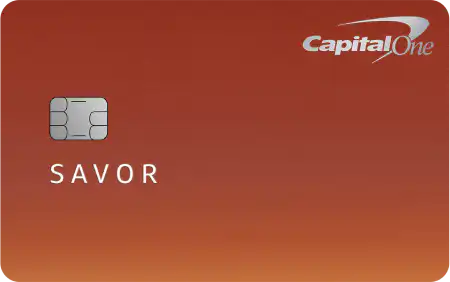
It pays the sample household about $432 a year with no annual fee, and it tops a flat 2% card once groceries, dining, entertainment, and streaming take over half your spending.
- What Sets It Apart: 3% back on four everyday categories with no cap and no annual fee
- Welcome Offer: $200 bonus after $500 in purchases in the first 3 months
- Rewards: 8% on Capital One Entertainment tickets; 5% on hotel, vacation rental, and rental car bookings made through Capital One Travel; 3% at grocery stores and on dining, entertainment, and streaming; 1% on everything else
- Features: Cash back in any amount that doesn’t expire while the account is open
- Annual Fee: $0
- Intro APR: 0% for 12 months on purchases and balance transfers
- APR: 18.74%, 24.74%, or 28.74% variable
- Cost: 3% balance transfer fee; no foreign transaction fee
- Credit Needed: Excellent, as Capital One lists it
- Pros: No cap on 3% rewards; 12 months at 0% on purchases and balance transfers
- Cons: 1% on gas and other spending; groceries at superstores, warehouse clubs, and discount stores earn 1%
For more information, read our full Capital One Savor Cash Rewards Credit Card Review.
Gas
Gas rewards often come with a spending cap or a warehouse club membership, so check both before you choose among the best gas credit cards.
Best for Costco members: Costco Anywhere Visa® Card by Citi
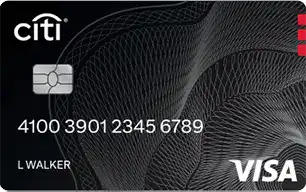
A household that already pays for a Costco membership and buys its groceries and gas there gets about $468 a year on the sample budget, $120 of it from gas.
- What Sets It Apart: 4% to 5% on gas and 3% on dining with no annual fee beyond the membership
- Rewards: 5% at Costco and 4% at other eligible stations and EV chargers on the first $7,000 a year combined, then 1%; 3% on restaurants and eligible travel; 2% on other Costco and Costco.com purchases; 1% on everything else
- Features: Doubles as your Costco membership card; no fee for authorized users who hold a Costco membership
- Annual Fee: $0
- APR: 18.99% to 27.49% variable
- Cost: No foreign transaction fee
- Eligibility: A paid Costco membership, $65 a year for Gold Star or $130 for Executive
- Pros: 3% on dining and travel; no foreign transaction fee
- Cons: Rewards come once a year as a certificate redeemable only at U.S. Costco warehouses by Dec. 31; 1% outside its categories; gas at Walmart, Sam’s Club, Kroger, and other excluded stations earns 1%
For more information, read our full Costco Anywhere Visa® Card by Citi Review.
Categories that rotate
Best first year: Discover it® Cash Back

Activate each quarter’s 5% categories, and on 2026’s calendar the sample household earns about $420 a year, which Cashback Match doubles to about $840 at the end of the first year.
- What Sets It Apart: A first-year match of every dollar of cash back, plus rotating 5% categories, with no annual or foreign transaction fee
- Welcome Offer: $200 statement credit after $500 in purchases in 3 months when you apply through Discover’s page; Cashback Match doubles all the cash back you earn in your first year, with no cap
- Rewards: 5% on up to $1,500 a quarter in categories you activate; 5% on Capital One Travel bookings of hotels, vacation rentals, rental cars, and activities, and on Capital One Entertainment tickets; 1% on all other purchases
- Features: No late fee the first time you pay late
- Annual Fee: $0
- Intro APR: 0% on purchases and balance transfers for 15 months
- APR: 18.74% to 28.74% variable
- Cost: 3% fee on balances transferred in the first 15 months; no foreign transaction fee
- Pros: First-year match on every purchase; categories that cover everyday spending
- Cons: Categories need activating every quarter; 5% capped at $1,500 of purchases a quarter; 1% on everything else after year one; 5% categories only at U.S. merchants
For more information, read our full Discover it® Cash Back Review.
A category you choose
Best for monthly bills: U.S. Bank Cash+® Visa Signature® Card
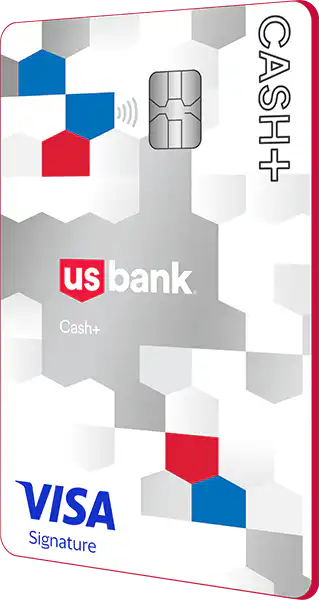
Pick home utilities and cell phone as its two 5% categories and groceries for its 2%, and the sample household earns about $444 a year, $180 of it from those bills.
- What Sets It Apart: Two 5% categories you pick each quarter from 12, home utilities, cell phone providers, and ground transportation among them
- Welcome Offer: $200 bonus after $1,000 in purchases in the first 90 days
- Rewards: 5% on the first $2,000 a quarter in your two categories; 5% on prepaid travel booked in U.S. Bank’s Travel Center; 2% on grocery stores, restaurants, or gas and EV charging, whichever you pick; 1% on everything else
- Features: Category picks open 45 days before each quarter, with text or email reminders
- Annual Fee: $0
- Intro APR: 0% for 15 billing cycles on purchases and on balance transfers made in the first 60 days
- APR: 17.99% to 28.24% variable
- Cost: 5% balance transfer fee ($5 minimum); 3% foreign transaction fee
- Credit Needed: Good to excellent, as U.S. Bank says
- Pros: Up to $400 a year at 5%; 5% choices for monthly bills; 15 billing cycles at 0% on purchases
- Cons: 1% on everything until you choose each quarter’s categories; 1% outside your picks; cash back expires 36 months after you earn it
For more information, read our full U.S. Bank Cash+® Visa Signature® Card Review.
Store cards
Best for grocery delivery: Instacart Mastercard®

Ordering the sample household’s $500 a month of groceries through Instacart brings in about $540 a year, $300 of it on those orders alone.
- What Sets It Apart: 5% on Instacart orders, its own membership fees included, up to $6,000 a year
- Welcome Offer: $50 Instacart credit on approval, which can take up to 10 days to appear
- Rewards: 5% back on the first $6,000 a year of qualifying Instacart orders, Instacart+ membership fees included; 5% on Chase Travel; 2% at gas stations, restaurants, and select streaming services; 1% on everything else
- Features: Cash back as a statement credit, a deposit, or payment on Instacart orders, with no minimum; rewards that don’t expire while the account is open
- Annual Fee: $0
- APR: 18.49% to 27.99% variable
- Cost: No foreign transaction fee
- Pros: Top rate on Instacart orders; no annual fee; no foreign transaction fee
- Cons: 1% on groceries bought in the store; 5% ends after $6,000 a year; no free Instacart+ membership in Chase’s current offer
For more information, read our full Instacart Mastercard® Review.
On a spread-out budget, a flat 2% card earns about what most category cards do, and it needs no tracking. Add up a month of card statements by category, then pick the card whose top rate covers the category that takes the biggest share.
For spending that happens mostly online, compare the best credit cards for online shopping, or the best credit cards with no annual fee to keep every card you carry free.


Subscribe and we'll send you 101 Essential Money Tips to get you started.
The 101 money moves that matter most, from the foundations to protecting what you’ve built.
Editorial Disclosure: The editorial content on this page is not provided, commissioned, reviewed, approved, or otherwise endorsed by any advertiser. Opinions expressed here are ours alone, not those of any advertiser. Compensation does not influence our editorial evaluations, ratings, or opinions.
Advertiser Disclosure: Many or all of the offers that appear on this site are from companies that compensate us, and some companies pay for sponsored content. That compensation may influence which products we cover and where and how they appear on a page, including the order in which they appear. We do not include every company or offer available in the marketplace.