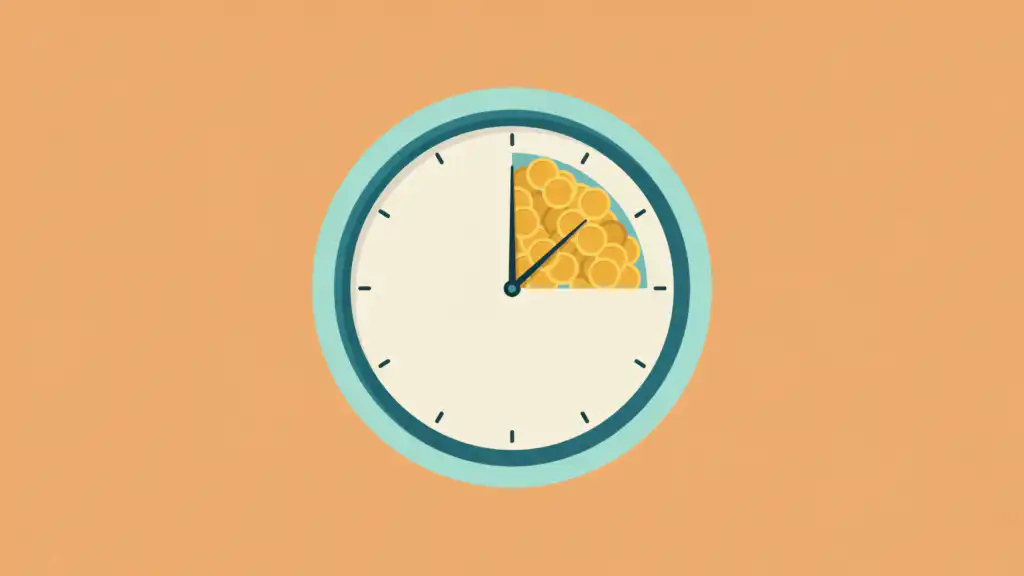


Paid work after you retire can pay off in better health, a sharper memory, and more people to confide in, not just a paycheck. Choose part-time or seasonal work you enjoy at hours you set, and check how the job affects your Social Security, taxes, and Medicare before you start.
Work after retirement usually comes up as a fix for thin savings, so it’s easy to rule out once your savings are enough.
Retirees who took part-time, temporary, or self-employed work had fewer major diseases and fewer limits on daily activities than those who stopped completely, in a Journal of Occupational Health Psychology study that tracked 12,189 Americans. In the Whitehall II study of 3,433 British civil servants, memory for words declined 38% faster after people retired than while they still worked. And the circle of people older adults confide in grew while they kept working and shrank once they retired, in research published by Boston College’s Center for Retirement Research.
The paycheck covers costs your savings would otherwise fund, so more of your savings stay invested. It can also let you wait to claim Social Security, which raises your monthly check for each year you wait, up to age 70.
Pick from the jobs that suit retirees by what you’d enjoy, whether that’s part-time hours with your former employer, consulting in your field, a seasonal job, work in a new field, or a small business.
Before you start, check what the job changes:
- Your Social Security check, since the earnings test withholds some benefits from people who claim before full retirement age and earn above a yearly limit
- How much of your Social Security is taxable, up to 85% of it as your income rises
- Who pays your medical bills first, because a job’s health plan pays ahead of Medicare at employers with 20 or more workers
- Your pension, which some plans stop paying while you work again for the employer that offers it
- Your IRA, since pay from work lets you keep contributing at any age
A 66-year-old retired teacher who works 15 hours a week at a museum for about $15,000 a year can pay for her travel from that paycheck instead of her IRA. Start with that many hours or one season, and add more once you know you like the work.

Subscribe and we'll send you 101 Essential Money Tips to get you started.
The 101 money moves that matter most, from the foundations to protecting what you’ve built.
Advertiser Disclosure: Many or all of the offers that appear on this site are from companies that compensate us, and some companies pay for sponsored content. That compensation may influence which products we cover and where and how they appear on a page, including the order in which they appear. We do not include every company or offer available in the marketplace.