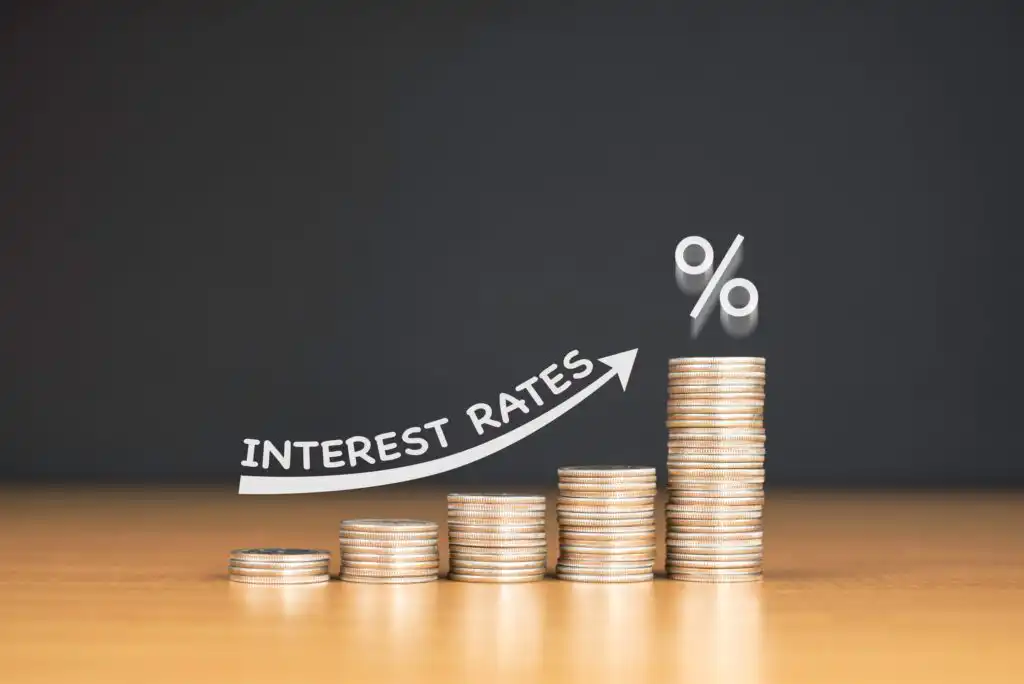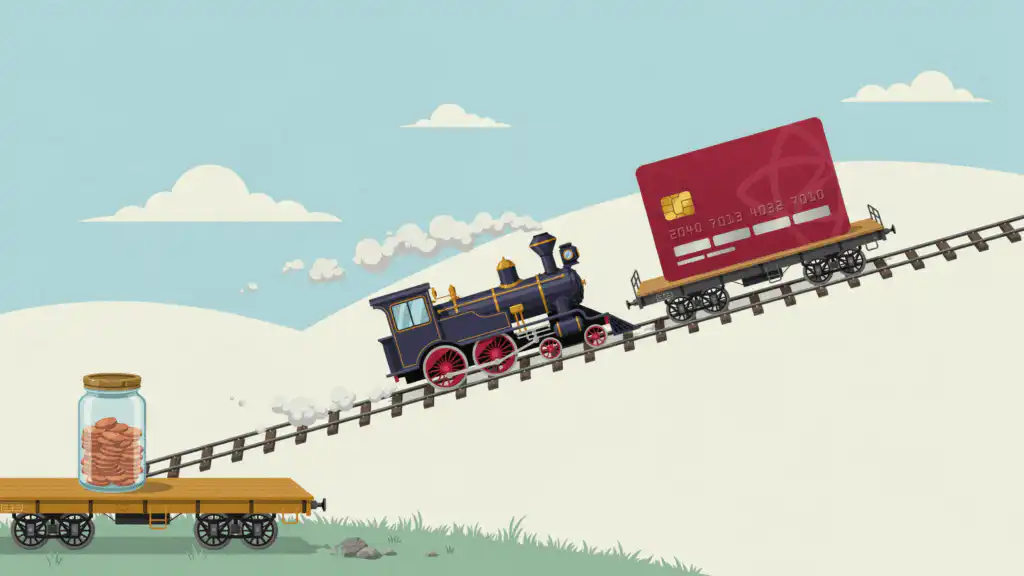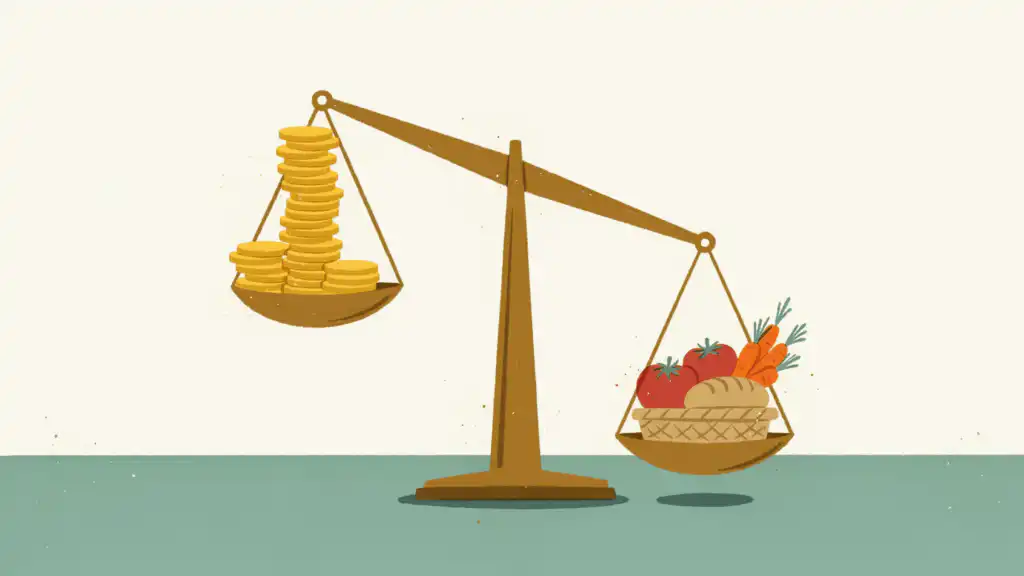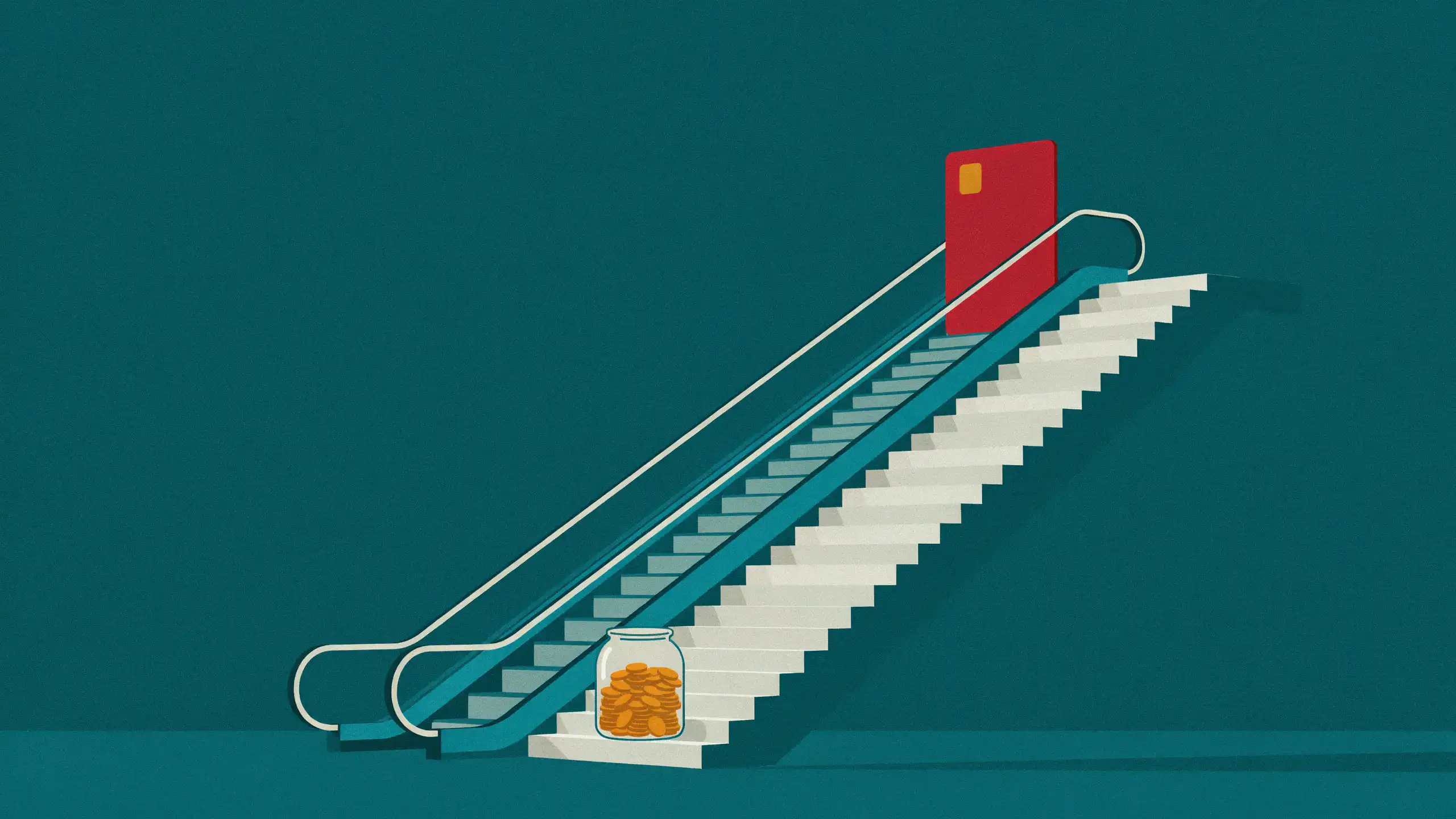

When the Federal Reserve raises rates, the variable rates on your credit card balances and home equity line of credit climb on their own, but your savings rate rises only if your bank raises it. Put extra payments toward those balances first, and move the cash you’re saving to a high-yield savings account that passes the increase on.
The Fed raised its benchmark rate a quarter point in September, its first increase since July 2023.
A variable rate on a credit card or a home equity line of credit (HELOC) follows an index such as the prime rate, which moves with the Fed’s rate. Card issuers normally can’t raise the rate on a balance you already owe, but a rise in that index is one of the exceptions, the Consumer Financial Protection Bureau notes. On a $10,000 card balance carried all year, each percentage point added to the rate costs about $100 in interest.
Online banks have passed more of each increase on to savers. During the 2022 and 2023 hikes, they raised deposit rates about 0.3 percentage point more than branch-based banks for each full point the Fed added, a National Bureau of Economic Research study found. At an online bank paying 4%, $20,000 earns about $800 a year. At a big bank paying 0.01%, it earns $2.
Pay down card balances first, then a HELOC ahead of any fixed-rate loan charging the same rate or less. A card balance you’ll carry for months can move to a fixed-rate personal loan, or to a 0% balance transfer card you can pay off before the 0% period ends, after you compare the fees. If you’ll borrow for a car or a home soon, lock in a fixed rate before you buy.
Keep your emergency fund in a high-yield savings account. For new certificates of deposit (CDs), stick to terms of a year or less until rates level off, or build a CD ladder so part of your money comes due every six months.
Cash beyond that fund belongs on any card balance you carry. Banks charged an average 22.36% on cards carrying a balance in the third quarter, the Federal Reserve reports, more than five times what a 4% savings account pays.
Find a higher rate for your emergency fund among the best high-yield savings accounts.


Subscribe and we'll send you 101 Essential Money Tips to get you started.
The 101 money moves that matter most, from the foundations to protecting what you’ve built.
Advertiser Disclosure: Many or all of the offers that appear on this site are from companies that compensate us, and some companies pay for sponsored content. That compensation may influence which products we cover and where and how they appear on a page, including the order in which they appear. We do not include every company or offer available in the marketplace.