


Choose a no-fee credit card that pays 3% or more at restaurants, since a $95 card’s 3 points per dollar earn the same 3% at a cent a point. Pay the American Express Gold’s $325 fee when its dining and Uber credits you’d use anyway cover it and you’ll book flights with its points.
Every card here pays at least 3% or 3 points per dollar on dining, some only up to a cap or when you choose dining as the bonus category. A $95 card’s fee buys extras such as travel credits and points you can transfer to airline loyalty programs. Judge whether an annual fee card is worth it by the credits you’d use without changing your habits.
Spent on flights booked through Amex Travel, where Amex values a point at 1 cent, the American Express Gold’s 4 points per dollar at restaurants are worth 4%. That extra 1% over a 3% card covers the $325 fee only once you spend $32,500 a year at restaurants. Taken as statement credits instead, points are worth 0.6 cent, so the same 4 points per dollar come to 2.4%, less than the 3% card.
No annual fee
Capital One Savor Cash Rewards Credit Card

Households that split their food budget between eating out and cooking at home get 3% back at restaurants and grocery stores, plus entertainment and popular streaming, with no cap.
- Best for: People who spend a lot on groceries, dining, entertainment, and streaming
- What Sets It Apart: 3% back on four everyday categories with no cap and no annual fee
- Cost: $0 annual fee; no foreign transaction fee; 0% intro APR for 12 months, then 18.74%, 24.74%, or 28.74% variable APR
- Features: 3% at grocery stores and on dining, entertainment, and streaming; 8% on Capital One Entertainment tickets; 5% on hotel, vacation rental, and rental car bookings made through Capital One Travel; 1% on everything else; $200 bonus after $500 in purchases in the first 3 months
- Pros: No cap on 3% rewards; cash back in any amount that doesn’t expire while the account is open; 12 months at 0% on purchases and balance transfers
- Cons: 1% on gas and other spending; groceries at superstores, warehouse clubs, and discount stores earn 1%; needs excellent credit
For more information, read our full Capital One Savor Cash Rewards Credit Card Review.
Chase Freedom Unlimited®
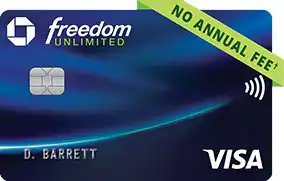
People who order takeout a few times a week and want one card for everything get 3% on dining, including takeout and eligible delivery, and 1.5% on other purchases.
- Best for: Cardholders who want one no-fee card with nothing to activate and who eat out often
- What Sets It Apart: 1.5% on every purchase, 3% at restaurants and drugstores, and 5% through Chase Travel, with no rotating categories
- Cost: $0 annual fee; 18.49% to 27.99% variable APR after a 15-month 0% intro period; 3% foreign transaction fee; balance transfer fee 3% (min. $5) for 60 days, then 5%
- Features: $200 bonus after $500 in purchases in 3 months; purchase protection and extended warranty; trip cancellation coverage
- Pros: Nothing to activate; 3% on dining including takeout; points don’t expire while the account is open
- Cons: 1.5% base trails 2% flat-rate cards; 3% foreign transaction fee; 5% travel only through Chase Travel
For more information, read our full Chase Freedom Unlimited® Review.
Wells Fargo Autograph® Card
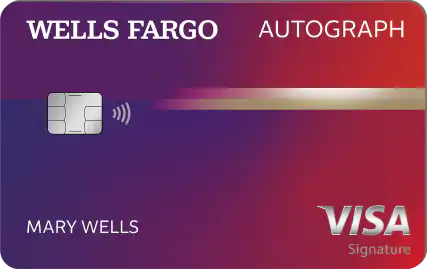
Diners who also spend a lot on gas, travel, and transit earn 3 points per dollar, worth 3% as cash, on dining and all three, plus phone plans and popular streaming.
- Best for: Households that put more than half their card spending on dining, gas, travel, transit, streaming, and phone bills
- Rewards: 3 points per dollar, with no cap, on restaurants, travel, transit, popular streaming services, and phone plans; 1 point per dollar on everything else; points worth 1 cent each as cash
- Gas: 3 points per dollar at gas stations and EV charging stations, with no cap; gas at warehouse clubs, superstores, and grocery stores may earn 1 point
- Cost: $0 annual fee; no foreign transaction fee; 0% interest on purchases for the first 12 months, then 18.74%, 24.74%, or 28.74% variable
- Features: Welcome bonus of 20,000 points, worth $200, after $1,000 in purchases in the first 3 months; cell phone protection up to $600 per claim with a $25 deductible; one-for-one point transfers to select travel loyalty programs
- Pros: Uncapped bonus categories; paying the phone bill with it earns 3 points and covers the phone; no foreign transaction fee
- Cons: 1 point per dollar on groceries; third-party delivery services and streaming billed through another company may earn 1 point; no 0% offer on balance transfers
For more information, read our full Wells Fargo Autograph® Card Review.
U.S. Bank Altitude® Go Visa Signature® Card
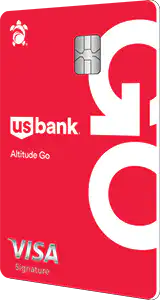
Frequent takeout and delivery customers get 4 points per dollar on their first $2,000 of dining each quarter, including takeout and restaurant delivery, then 1 point.
- Best for: People who eat out or order takeout often and want no annual fee; U.S. Bank checking or savings customers
- What Sets It Apart: 4 points per dollar on dining, takeout, and restaurant delivery with no annual fee; $15 streaming credit each year
- Cost: $0 annual fee; 3% foreign transaction fee; 0% interest for 15 billing cycles, then 17.74% to 27.74% variable; 5% balance transfer fee ($5 minimum)
- Rewards: 4 points per dollar on the first $2,000 of dining each quarter, then 1 point; 2 points per dollar at supermarkets, gas stations, and EV charging stations, and on eligible streaming services; 1 point per dollar on everything else; points worth a cent each deposited into a U.S. Bank account
- Welcome Offer: 20,000 bonus points after $1,000 in purchases in the first 90 days
- Pros: No annual fee; dining bonus covers takeout and restaurant delivery; $15 streaming credit; 15 billing cycles at 0% interest
- Cons: Dining bonus stops at $2,000 a quarter; 3% foreign transaction fee; statement credits can be worth less than a U.S. Bank deposit; Walmart, Target, and warehouse clubs earn 1 point on groceries and gas
For more information, read our full U.S. Bank Altitude® Go Visa Signature® Card Review.
Bank of America® Customized Cash Rewards Credit Card
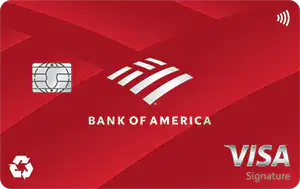
Diners whose restaurant, grocery, and wholesale club spending stays within $2,500 a quarter can make dining its 3% category and earn 6% there the first year.
- Best for: Households with steady spending in one category, such as gas, dining, or online shopping; Bank of America customers whose balances earn a BofA Rewards boost
- What Sets It Apart: A 3% category you pick and can change once a month; BofA Rewards adds 10% to 75%, up to 5.25% in the category
- Cost: $0 annual fee; 3% foreign transaction fee; 0% intro APR for 15 billing cycles on purchases and on balance transfers made in the first 60 days, then 17.74% to 27.74% variable; balance transfer fee 3% for the first 60 days, then 5%
- Features: 3% on gas and EV charging, the default category, or on online shopping, dining, travel, drug stores, or home improvement; 6% in the category the first year; 2% at grocery stores and wholesale clubs; 3% and 2% on up to $2,500 of combined purchases a quarter, then 1%; $200 bonus after $1,000 in purchases in the first 90 days
- Pros: Phone, internet, cable, and streaming bills count as online shopping; cash back in any amount; rewards don’t expire while the account is open
- Cons: $2,500 quarterly cap shared with groceries and wholesale clubs; 1% past the cap; 3% foreign transaction fee
For more information, read our full Bank of America® Customized Cash Rewards Credit Card Review.
Verizon Visa® Card

Verizon wireless or Fios account holders get an uncapped 4% at restaurants, including takeout and delivery, and at grocery stores and gas stations, paid in Verizon Dollars they can take as statement credits.
- Best for: Verizon wireless and Fios customers who plan to stay; households that spend heavily on groceries, gas, and dining
- What Sets It Apart: Uncapped 4% in Verizon Dollars; statement credits at $1 per Verizon Dollar; the only credit card that qualifies for Verizon’s Auto Pay discount
- Cost: $0 annual fee; no foreign transaction fee; 22.24%, 27.24%, or 33.24% variable purchase APR
- Features: 4% on groceries, gas, electric vehicle charging, restaurants, and Verizon devices and accessories; 1% on the Verizon bill and everything else; $150 statement credit after one purchase in the first 90 days; two free TravelPass days a year
- Pros: No cap on the 4% categories; rewards usable as statement credits; Auto Pay discount on a credit card
- Cons: Verizon customers only; unused Verizon Dollars forfeited when you leave Verizon; 1% outside the 4% categories; big-box grocery purchases may not earn 4%
For more information, read our full Verizon Visa® Card Review.
Navy Federal More Rewards American Express® Card Members only

Navy Federal members who eat out, order delivery, and cook at home earn 3 points per dollar at restaurants, on food delivery, and at supermarkets, with no cap.
- Best for: Navy Federal members whose spending goes mostly to restaurants, food delivery, supermarkets, and gas
- What Sets It Apart: 3 points per $1, worth 3% in cash, at restaurants and on food delivery, at supermarkets, and on gas and transit; no cap; no annual fee
- Cost: $0 annual fee; no foreign transaction fee; variable APR of 14.15% to 18.00%
- Features: 20,000 points after $2,000 in purchases within 90 days of account opening; points worth 1 cent each in cash; points don’t expire while the account is open
- Pros: Uncapped 3X on dining, groceries, gas, and transit; no minimum to redeem in the app or online banking; late fee of $20 at most
- Cons: Navy Federal membership required; American Express still adding merchants abroad; 1 point per $1 elsewhere; restaurants inside hotels or venues may earn 1 point
For more information, read our full Navy Federal More Rewards American Express® Card Review.
With an annual fee
American Express® Gold Card
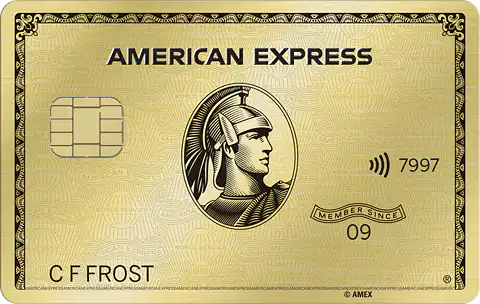
Households with big restaurant and supermarket bills earn 4 points per dollar on up to $50,000 a year at restaurants and $25,000 at U.S. supermarkets, plus $424 in yearly dining and Uber credits.
- Best for: Heavy restaurant and supermarket spenders who book flights with points; regular Uber, Grubhub, and Dunkin’ customers
- What Sets It Apart: 4X points at restaurants worldwide and at U.S. supermarkets; $424 a year in dining, Uber, Resy, and Dunkin’ credits
- Cost: $325 annual fee; no foreign transaction fee; 19.74% to 28.74% variable APR on Pay Over Time balances
- Welcome Offer: Up to 100,000 points after $8,000 in purchases in 6 months; exact offer, if any, shown before you accept
- Rewards: 4X at restaurants (up to $50,000 a year) and U.S. supermarkets (up to $25,000); 5X on prepaid Amex Travel hotels; 3X on flights booked with airlines or Amex Travel; 1X elsewhere; points worth 1 cent on Amex Travel flights or 0.6 cent as a statement credit
- Rideshare: $10 in Uber Cash each month for Uber rides and Uber Eats orders in the U.S.; unused Uber Cash expires at the end of each month; Uber and Lyft rides earn 1X
- Dining Credits: Up to $10 a month at Grubhub, Seamless, Buffalo Wild Wings, Five Guys, The Cheesecake Factory, and Wonder; up to $50 every six months at Resy restaurants; up to $7 a month at Dunkin’; enrollment required; unused amounts don’t carry over
- Pros: 4X on restaurant meals abroad with no foreign transaction fee; welcome offer worth up to $1,000 toward Amex Travel flights; no annual fee on up to five additional cards
- Cons: Points worth 0.6 cent as statement credits; dining credits need enrollment and don’t carry over; no airport lounge access
For more information, read our full American Express® Gold Card Review.
Chase Sapphire Preferred® Card

Diners who book a hotel through Chase Travel each year get a credit of up to $100, enough to cover the $95 fee, plus 3 points per dollar on dining, including takeout and eligible delivery.
- Best for: Travelers who book at least one hotel stay a year through Chase Travel
- What Sets It Apart: A $100 annual Chase Travel hotel credit that covers the $95 fee, plus transfers to airline and hotel programs
- Cost: $95 annual fee; no foreign transaction fee; 19.49% to 27.74% variable APR; balance transfer fee 5% (min. $5)
- Features: 75,000 points after $5,000 in purchases in 3 months; 5x on Chase Travel; 3x on dining, gas, EV charging, streaming, and online grocery; up to $120 every four years for Global Entry, TSA PreCheck, or NEXUS
- Pros: $100 hotel credit exceeds the $95 fee; primary rental car coverage; trip cancellation and trip delay coverage
- Cons: Credit only on Chase Travel hotel bookings, which usually earn no hotel loyalty points; 1x on non-bonus purchases; Points Boost limited to select bookings; no intro APR
For more information, read our full Chase Sapphire Preferred® Card Review.
Citi Strata Premier® Card
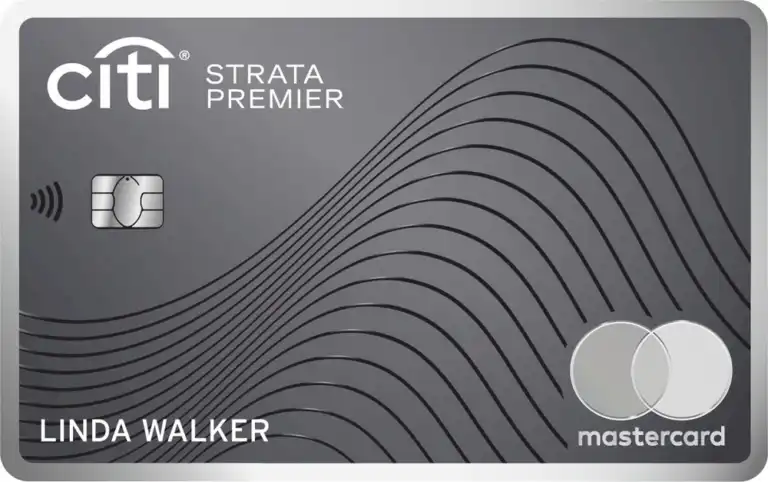
Households that spend heavily at restaurants, supermarkets, and gas stations earn 3 points per dollar at all three, with no cap, plus $100 off one $500-plus Citi Travel hotel stay a year.
- Best for: Households that spend heavily at restaurants, supermarkets, and gas stations and will transfer points to airlines
- What Sets It Apart: 3X points on dining, including takeout and delivery, plus supermarkets, gas, airfare, and hotels; transfers to 15 airline and five hotel programs; $100 off one Citi Travel hotel stay a year
- Cost: $95 annual fee; no foreign transaction fee; 19.74% to 27.74% variable interest rate
- Features: 60,000 bonus points after $4,000 in purchases in the first 3 months; 10X on Citi Travel bookings of hotels, car rentals, and attractions; 3X on air travel, hotels booked elsewhere, restaurants, supermarkets, gas stations, and electric-vehicle charging; 1X on everything else
- Pros: No cap on points; most airline transfers at 1 mile per point; trip delay, trip cancellation, lost luggage, and rental car coverage
- Cons: Points worth 1 cent each through Citi Travel; 1X outside the bonus categories; warehouse clubs and discount stores don’t earn the supermarket or gas bonus
For more information, read our full Citi Strata Premier® Card Review.
Bilt Obsidian Card
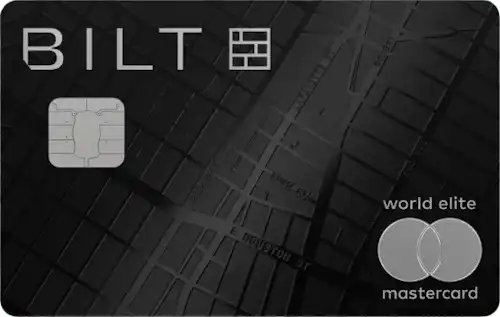
Renters who eat out get 3 points per dollar on dining, its default bonus category, with no cap, and points on rent paid through Bilt with no transaction fee.
- Best for: Renters who spend $400 or more a month on dining or groceries; regulars at Bilt’s partner restaurants
- What Sets It Apart: 3X on dining or groceries, your choice; rent and mortgage payments that earn points with no card fee; one-to-one transfers to most of Bilt’s airline and hotel partners
- Cost: $95 annual fee; $50 per authorized user; no foreign transaction fees
- Features: $200 in Bilt Cash at account opening; $100 a year in hotel credits on two-night stays booked through Bilt, by default $100 in yearly Bilt Cash in 2027; 2X on airfare, hotels, cruises, and car rentals booked directly; 3X for flights and 4X for hotels booked through Bilt’s travel portal; a Point Accelerator that trades $200 in Bilt Cash for an extra 1X on your next $5,000 of purchases
- Pros: No card fee on rent paid through Bilt; uncapped 3X dining; up to 6X at Bilt’s partner restaurants when dining is your pick; trip cancellation, trip delay, lost luggage, and extended warranty coverage
- Cons: One 3X category, locked until January; 1X on other purchases; grocery 3X capped at $25,000 a year; only 250 points a billing cycle on rent while other card spending stays under 25% of it
For more information, read our full Bilt Obsidian Card Review.
Most diners come out ahead with a no-fee card whose bonus rate applies where they already eat and shop. Step up to a fee card once the credits you’d actually use top its fee and you’ll spend its points on travel.

Editorial & Advertiser Disclosure: The editorial content on this page is not provided, commissioned, reviewed, approved, or otherwise endorsed by any advertiser. Opinions expressed here are ours alone, not those of any advertiser. The offers that appear on this site are from companies that compensate us. That compensation may influence which products we cover and where and how they appear on a page – including the order in which they appear – but it does not influence our evaluations, ratings, or opinions. We do not include every company or offer available in the marketplace.
Related: